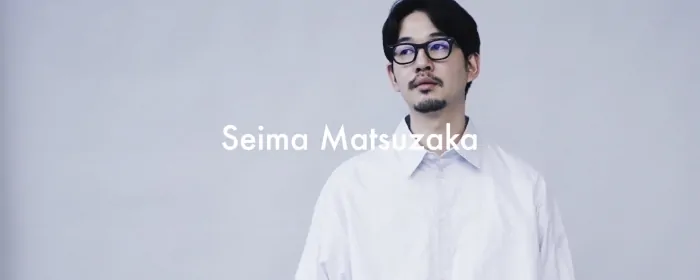
INTERVIEW Matsuzaka Asa (Director of 'Name. / urself' and Designer of ':CASE')
2020.11.04 / OTHERS
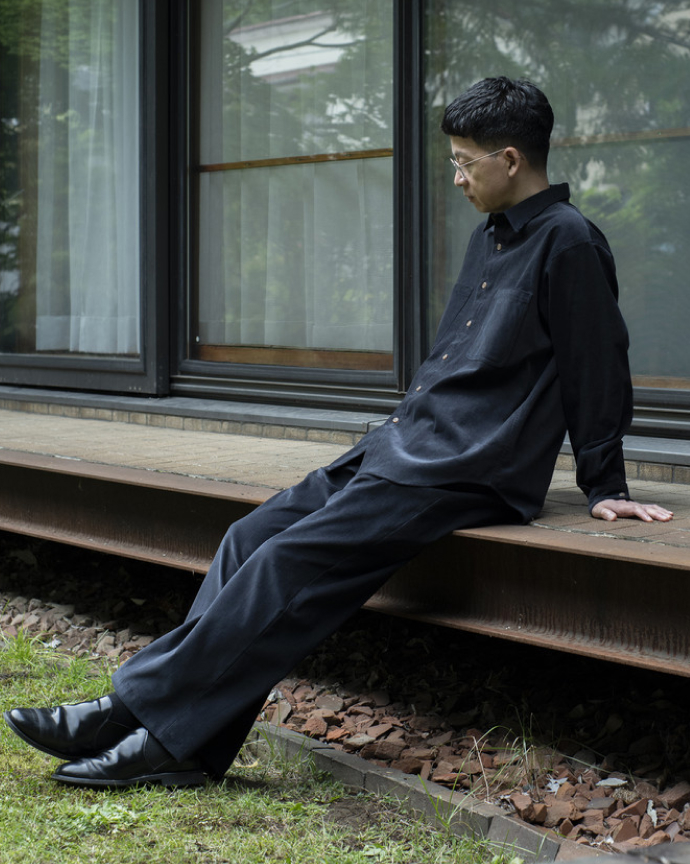
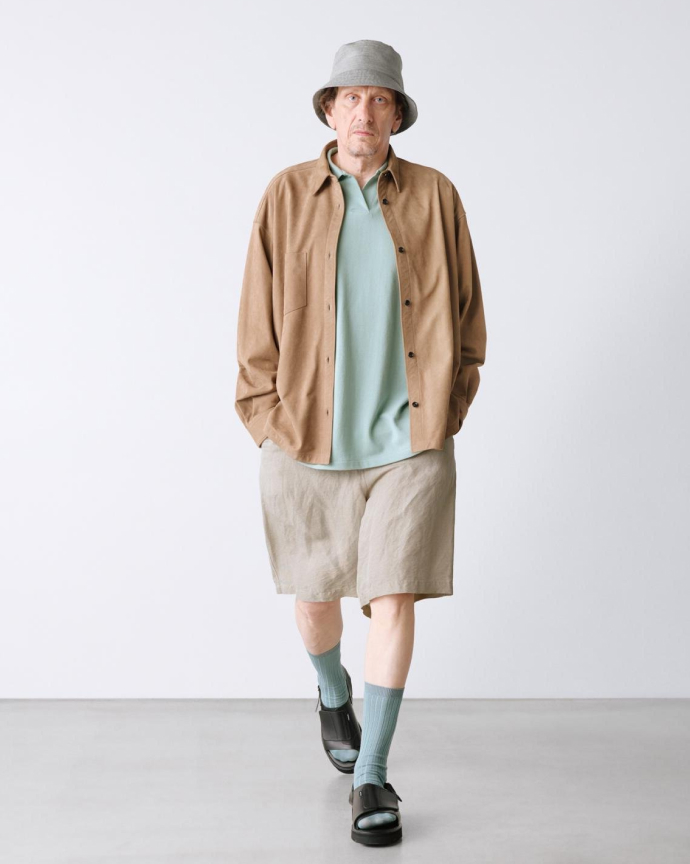
What should fashion's position be in our lives? Seima Matsuzaka observes the modern situation with a down-to-earth and flat gaze, continuously seeking answers. After working in PR for "Name.," he became the director and collaborated with Ryo Umise, the founder of "Name.," on the "urself" project. The main items, pants, are available only in 33 inches and 38 inches, and are sold exclusively through online shops and pop-ups at select local shops, without wholesale or physical stores. I believe that their unique concept and sales method present one answer to the world. Seima has now launched a new brand called ":CASE," where he handles everything from design to direction. ":CASE" is also a brand that possesses values unlike anything seen in traditional fashion. I asked Seima, who turned 30 last year, about his primitive experiences with fashion and how his thoughts on fashion and life have changed from his youth to now. I want to explore the essence of Seima's character and the origins of the ideas that connect to ":CASE" through his unpretentious words.
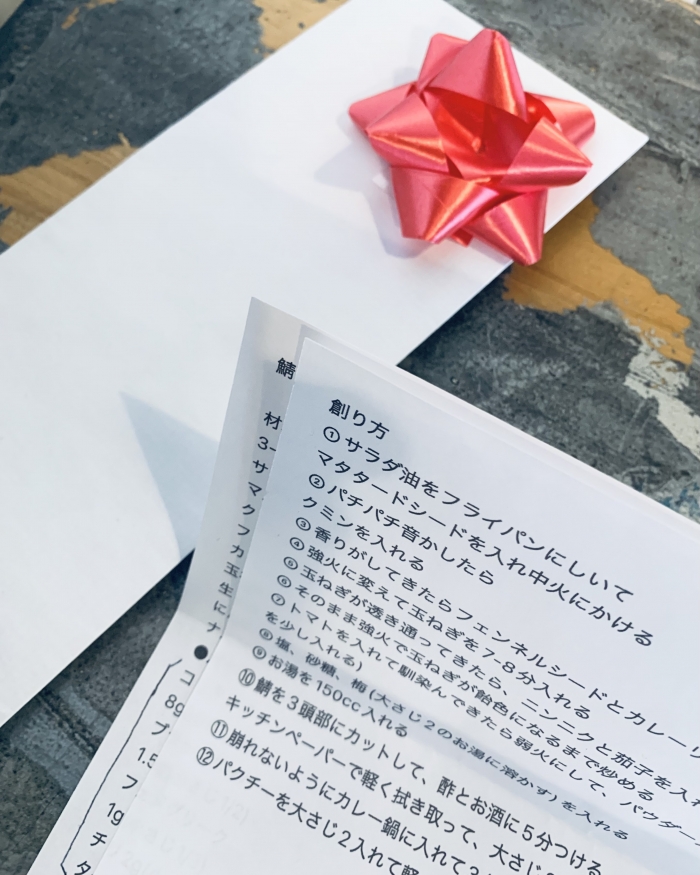
Dice&Dice (hereafter D): Please tell us about the first time you became interested in fashion.
Seima Matsuzaka (hereafter Seima): I first became interested in fashion when I was in the fifth grade of elementary school. It’s not a particularly cool memory, but I had a red Adidas T-shirt that I loved for some reason and wore it every time there was a school trip or any event. At that time, I was unaware of it, but looking back now, I think that was my first conscious experience of fashion. It wasn’t the stylish three-leaf logo version, but the one with the bold white three stripes printed on it, and I loved it so much that I would ask my mom, "I want to wear it tomorrow too, so please do something about it," which must have been a hassle for her.
D: Was the Adidas T-shirt popular at that time?
Seima: No, not at all. I just liked it; it wasn’t particularly trendy. I became more aware of fashion after seeing JIRO from GRAY. I have an older brother who is four years older than me, and he loved GRAY. We had GRAY-related magazines at home, and I watched shows like Music Station and HEY!HEY!HEY! where GRAY appeared. They wore checkered pants and knits, styles I had never seen in my rural hometown, and I felt the power of fashion when I saw how cool people looked in their clothes. I didn’t particularly love GRAY’s music, nor did I want to imitate JIRO’s fashion directly, but that was definitely a significant trigger for me.
D: After that, did you dive deeper into fashion?
Seima: No, I didn’t start choosing or buying my own clothes until much later. In fact, I think I was quite late compared to others. I was completely immersed in basketball from middle school to high school, so my casual wear was NBA star player replica jerseys. It felt more like an extension of my club activities rather than fashion. I started choosing clothes properly in high school, and from that point on, I began to select outfits with the aim of looking cool to the opposite sex. At that time, B-BOY fashion was very popular, so I dressed like that. That influence is why even now, when I think of plain T-shirts, I think of PRO CLUB. I used to sneak into my brother’s room to look at magazines like Boon and WOOFIN’ that he bought every month, but I wasn’t the type to buy fashion magazines myself. I wasn’t really into clothes or a fashion nerd; it was more of an extension of my club activities or influenced by my brother, just wearing what I felt like. I might have been somewhat out of touch with fashion. When I became a high school student, the uniform changed from a gakuran to a blazer, and seniors would modify their ties and play around with their uniforms. I also altered my pants to be slimmer and exchanged blazers with smaller classmates, wearing them in a stylishly loose way. Since there weren’t many opportunities to show off casual wear as a student, looking cool in the uniform was quite important for appealing to the opposite sex. Gradually, my casual wear became more sporty or focused on functionality, and I started wearing The North Face more often. When I dressed, I didn’t pay much attention to music or culture; I chose clothes that were easy to move in and could be used casually.
D: After that, did fashion and culture connect in your mind?
Seima: Yes. I started to realize that there were various aspects of it after I began attending a fashion vocational school, where I learned in classes and from others. At that time, Hedi Slimane was at Dior, and very mode-like outfits were in fashion, so I naturally started looking into brands like Margiela and Raf Simons.
D: First, what made you decide to go to a fashion vocational school?
Seima: During the summer break of my second year in high school, I started attending various open campuses, choosing places with names I recognized. Among all the places I visited, the fashion vocational school seemed the most fun and appealing. I chose it for a light reason, thinking it would be nice to live while learning about such things. So, I didn’t express any strong enthusiasm to my parents and casually informed them about my career path, but they simply acknowledged it, saying, "If you think you can do it, that’s fine." My brother had been aiming to become a hairstylist for quite some time, so I think they allowed me to choose freely. It was decided so lightly that I didn’t even understand the difference between university and vocational school when I enrolled. The open campus I attended was for the stylist course. I had a vague idea of the stylist's job from magazines, but after experiencing it at the open campus, I found it very enjoyable and proceeded to the stylist course. However, I didn’t particularly want to become a stylist; I just chose it casually. As I studied, I began to enjoy learning various things and wanted to broaden my learning scope, so I also attended a night school for fashion business for a year. There, I learned that there are various types of jobs related to clothing, which broadened my perspective. Gradually, I started to think that earning money doing what I love would be a good thing, and that naturally led me into the apparel industry, although at that point, I hadn’t considered starting my own brand at all.
D: Can you tell us about the trigger that made you so dedicated?
Seima: It was a three-year vocational school, but during my first year, I was just drifting along. However, I had specifically chosen to attend vocational school to learn specialized skills, so I thought it would be meaningless to just drift. From my second year, I started to take it seriously and felt like I was studying quite stoically to learn as much as possible.
D: After finishing vocational school, what was your career path?
Seima: I thought that if I were to work in apparel, I wanted to challenge myself in Tokyo, so I worked as a freeter for a year to save money and prepare for moving to the city. A year later, I moved to Tokyo as planned, but I had no particular plan, so I was just wandering around at first. One day, I received a message from the owner of a select shop in Nagoya, saying, "If you’re free, let’s go around some exhibitions together," and that day, I was taken to various exhibitions. The last one was the exhibition for Name. There, we ended up going for drinks, and I was able to join and have various conversations. After about six months of meeting, Umise-san started inviting me to dinner, and I would share casual conversations with him. When we had known each other for about six months, Umise-san invited me to work at Name. I started helping with administrative tasks in preparation for the store opening, and after it opened, I began working as a staff member.
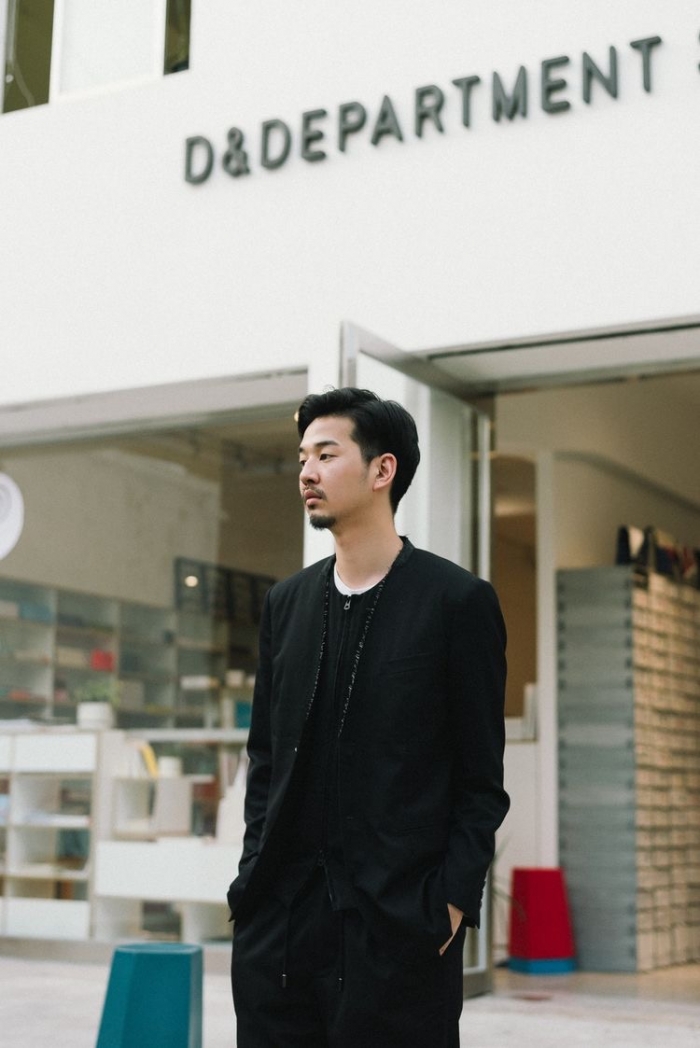
Seima during his time as a shop staff at "Name."
D: What was it like at the beginning after the store opened?
Seima: It was a bit like, "We’ll provide what’s necessary, so just give it a try." Since both Umise-san and the designer at that time had no sales experience, everything was trial and error. We were figuring out customer management and inventory management systems as we went along, and I was allowed to experiment quite a bit. At that time, I didn’t really know how to PR outside, so I started by calling editorial offices to get our items featured in magazines. Gradually, stylists began to come to us, and we started getting featured in magazines. Since there was no Instagram back then, I would wear the clothes myself, take pictures in front of a mirror, and write on a free blog, or post on Facebook, not knowing who would see it. We didn’t have a website, so we handled orders over the phone, and that started to sell. We were doing things steadily. As I was experimenting, Umise-san and others introduced me to various people, and we eventually got a website and an online shop. If Instagram had existed back then, I think it would have been much easier, and the path I took might have been a detour, but looking back now, I’m glad I was able to meet so many people through that method.
D: After going through such times, you’ve now entered your 30s. Have your thoughts on fashion changed from when you were younger?
Seima: In my 20s, I felt like I was trying hard to present myself in a way that looked good. When buying, wearing, or choosing clothes, I placed a lot of importance on how I would be evaluated by others. So, in my younger days, I tried to wear things that were a few levels above my actual life. Well, that was fun, and I felt like I was working hard for that, so I think it was fine. But now, rather than that, I prefer things that fit my life or feel comfortable. It might feel like I’ve returned to the time in my student days when I wore The North Face for its ease of movement. In my teens, I unconsciously chose things that suited my lifestyle, and now in my 30s, I feel like I’ve returned to that. In my 20s, I was always conscious of projecting something beyond my true self, but now in my 30s, I find it a bit strange to be seen as anything more than my true self; it doesn’t feel right. That said, I’m not wearing extremely relaxed clothing either; it’s more like I’m wearing things that reflect my life as it is. It’s almost like a uniform: "I want to wear this when I do this, I want to wear this when I go here, I want to wear this when I meet this person." I’ve come to think that this approach to fashion fits me well.
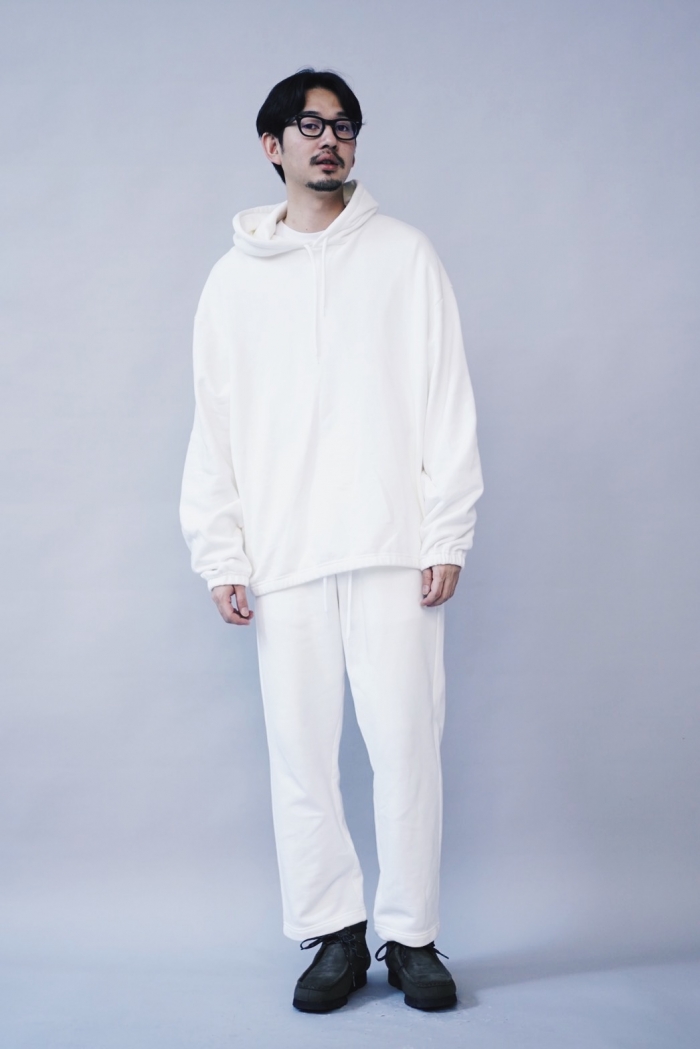
D: In the process of shedding what was added in your 20s, are there things that have remained or things you’ve realized?
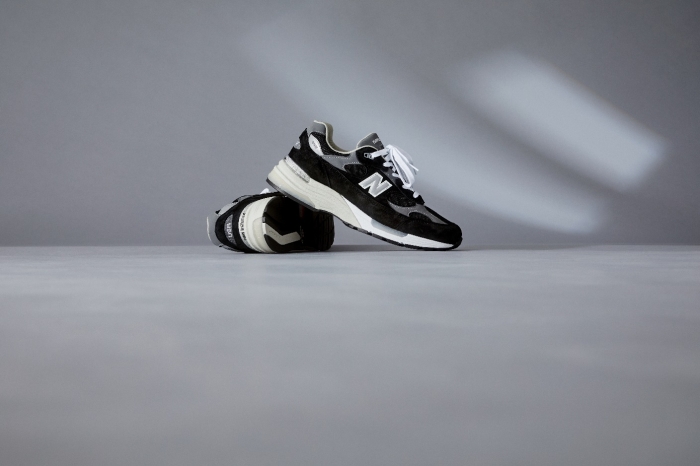
Seima: For example, when I was younger, I didn’t understand the appeal of these Wallabee shoes I’m wearing today at all. They’ve always been around, and while they’re certainly cute as shoes, I didn’t think they were something I wanted to wear. But suddenly, about a year ago, I wanted to wear them, and when I tried them on, they felt just right. I never wore shorts in the summer when I was younger, but now in my 30s, I want to wear knee-length shorts, and when I try them on, they look great on me. I think it’s because, when I was younger, I admired older generations who wore such fashion effortlessly, but when I tried to imitate them, it didn’t suit me. Now that I’m in my 30s, I’ve started to exude a different vibe than fresh youth, and it’s starting to suit me. My choices have changed, and my color preferences have shifted as well. I didn’t wear muted colors like khaki much when I was younger, but recently, I’ve started to prefer khaki, while I can’t wear fluorescent colors anymore. It feels like the gap between my imagined 30s and my actual 30s is gradually closing.
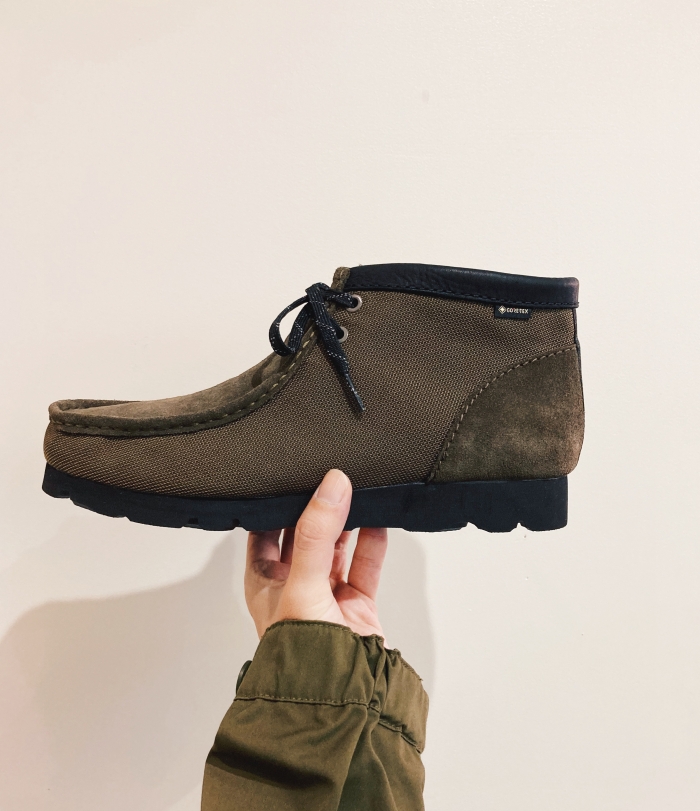 Seima's personal Wallabee boots
D: Have you started to feel this sense not just in fashion but in other areas as well?
Seima: It’s relatively recent that I’ve started hanging out with Umise-san and my seniors outside of work, but I think their influence has been significant in shaping this way of thinking. I’ve learned a lot about things I wouldn’t have encountered or noticed if I had just been hanging out with people my own age. When I was hanging out with friends my age, it was all about drinking or karaoke, but now I plan schedules that incorporate work-related matters, so even when I go out for personal reasons, there’s work involved, creating a good environment where there’s no clear separation between on and off. I think this is also influenced by my seniors. For instance, I used to have no interest in cars, but when I saw a senior who drove a diesel car, I thought, "Is it really that good?" and started researching it, learning about the benefits of diesel cars and wanting to try one. As for furniture, I used to choose based on looks, regardless of price, but after learning about designer-made furniture from my seniors and receiving or being given some, I became interested. I thought it wouldn’t be true to myself to just have everything from one source, so I incorporate a hybrid style, like placing a designer chair next to Muji furniture. In that way, I’m influenced by various things while adapting them to my own authentic self.
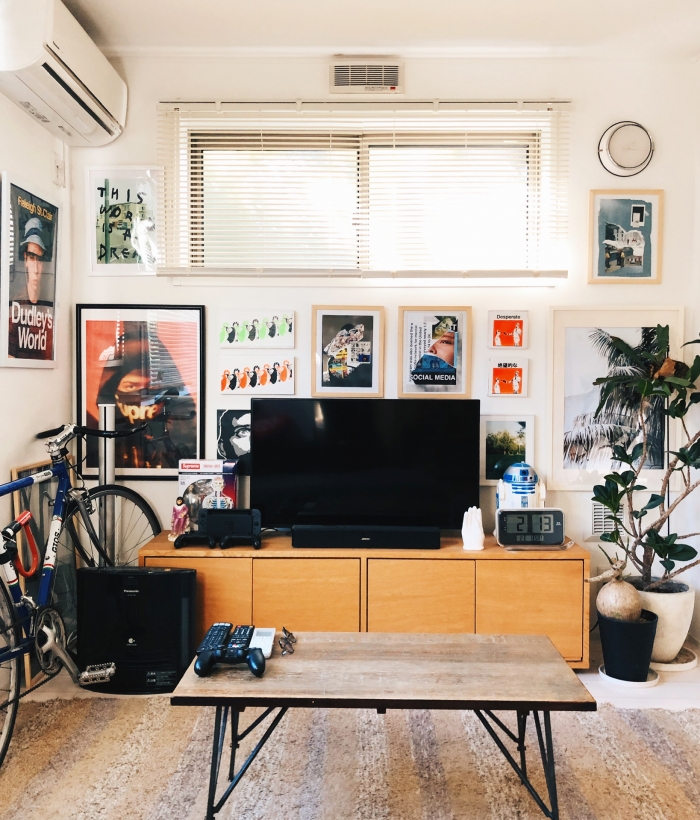
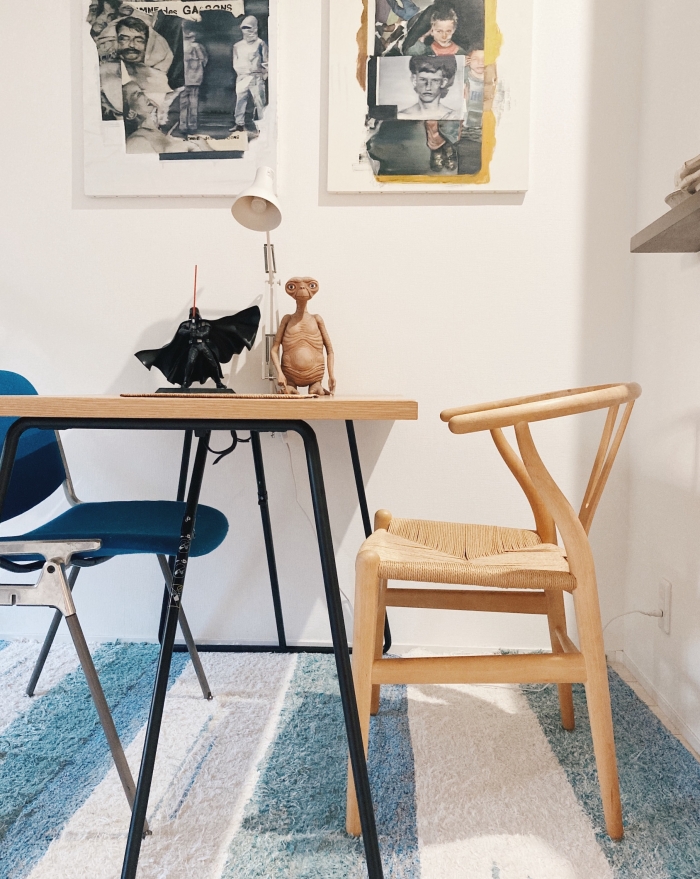 Seima's Y chair blends seamlessly with his favorite items
D: Since starting a family, have you felt any changes?
Seima: We’re not the type to criticize each other, so my thoughts on fashion haven’t particularly changed. In fact, I think it’s good that they haven’t changed. One change is that I’ve started growing my hair because I think my wife might prefer longer hair over short hair. That’s probably the only change. I have my own time, and my wife is really into anime and watches it a lot, while I come home and play games. We don’t mind each other’s habits, so there’s no struggle in that regard. Since my wife is also in apparel, we understand each other in many ways. However, the scale of our companies and our working styles are completely different, so there are many gaps we feel, but we appreciate those differences without questioning them, thinking, "That’s amazing," so I believe we have a good relationship where we can support each other equally. In apparel, if we were in a closer environment, we might have had misunderstandings, but we value those aspects and time, so it fits well, allowing us to live relaxed lives; I think it’s a really good relationship.
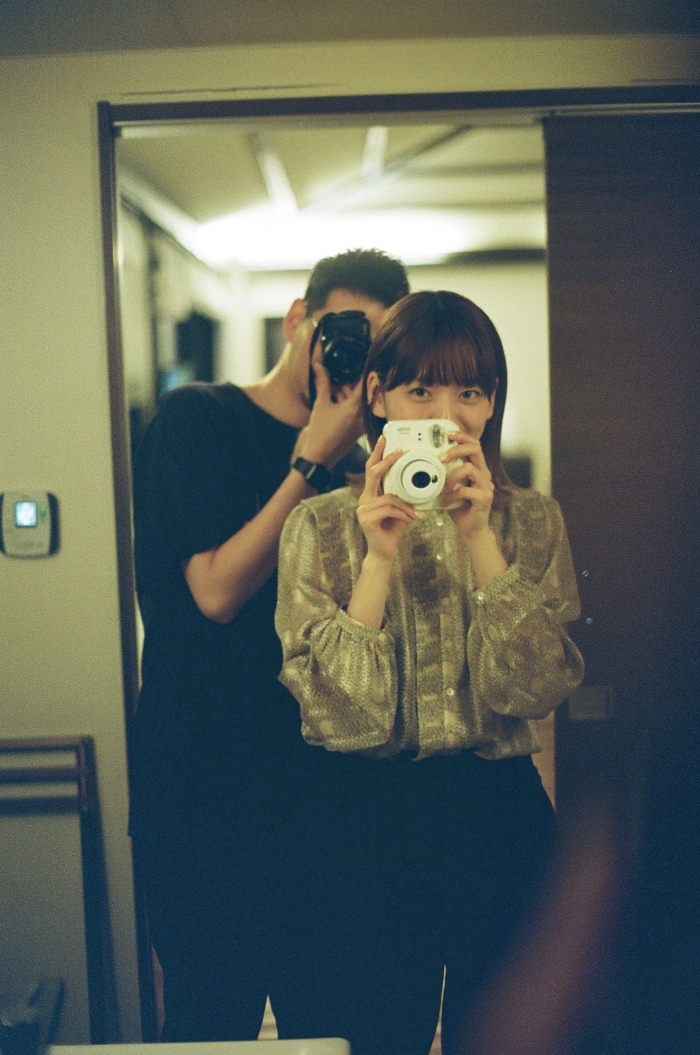 Seima and his wife, Eie
D: Are there points in fashion or life where you spend money intentionally?
Seima: Honestly, I don’t spend much on fashion. I have no interest in expensive watches, and I’ve been using military deadstock glasses for a long time, which are cheaper than designer glasses, and I feel like they’re sufficient for me. If I had to say, I want to spend money on purposeful travel. Not in the sense of flying first class, but when I consult with seniors about where to go, they tell me various places worth visiting, so I want to spend money on accommodations and restaurants that they recommend. I believe those places have history, valuable services, and a good price point, so I’m willing to pay for those experiences. That said, I don’t go all the time; it’s limited to special occasions.
D: After entering your 30s, is there a figure you aspire to become?
Seima: I’ve learned a lot from my seniors when I was younger and even now. From now on, I want to become an adult who can incorporate what the younger generation finds cool. For example, when I’m in my late 30s or 40s, I want to be an adult who can easily accept what the younger generation thinks is cool and what they wear. I want to maintain a flat value system without any strange pride. The people I think are cool are those who can say without any preconceptions, "What’s that?" or "That looks interesting, tell me more." When I think about it, all the seniors around me are like that. So, I want to live in a house where Muji and designer furniture coexist even when I’m in my 40s, and I want to maintain a mindset that allows me to incorporate the coolness of my 20s; I think that would be the best kind of life.
Everyday life, elevated.
This time, Dice&Dice will hold a product briefing and reservation event for :CASE @c_a_s_e.official (delivery next spring). During the period, we will invite director Matsuzaka @seima to directly explain :CASE's products and mood to customers.
Look forward to Matsuzaka's vision of the world of :CASE.
:CASE at Dice&Dice
Saturday 7th November - Monday 9th November
12:00 - 19:00
*During this period, we will be open from 12:00 to 19:00 instead of the usual 13:00 to 18:00.
*For inquiries: info@dicexdice.com 092-722-4877
*As part of measures to prevent the spread of COVID-19, we may implement restrictions on the number of customers allowed in the store if it becomes crowded.
:CASE / CASE
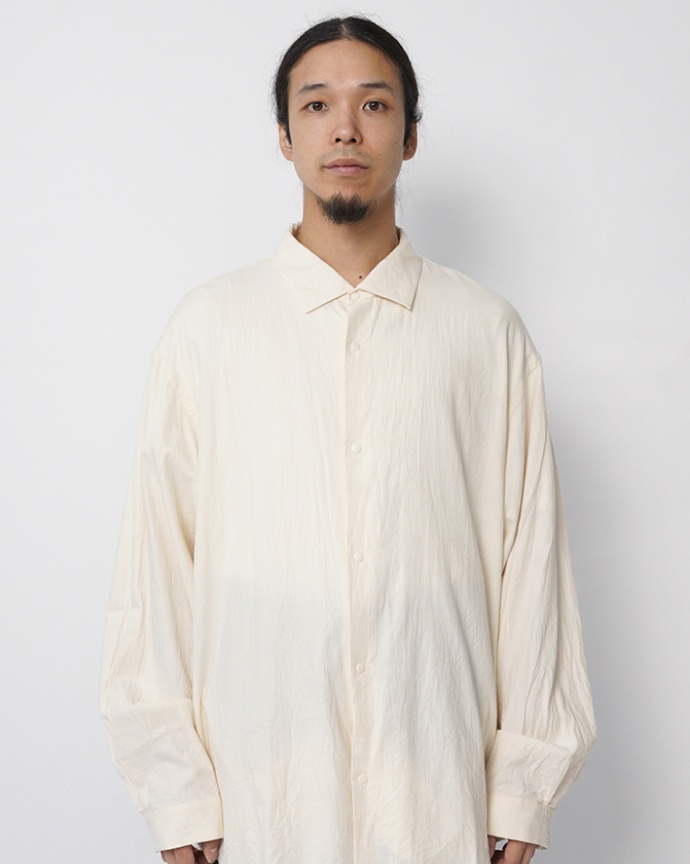
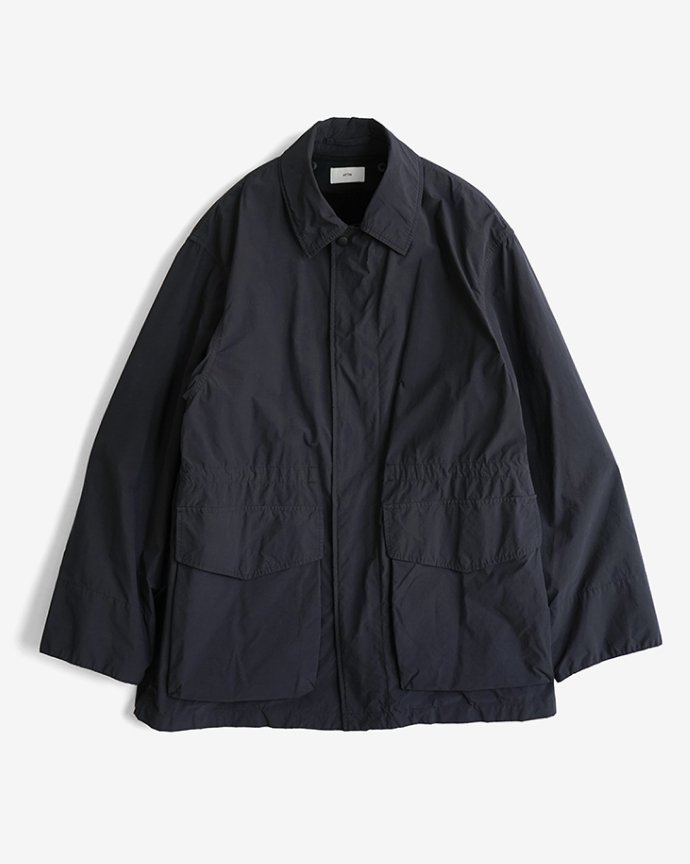
A new brand led by Seima Matsuzaka, director of "Name." and collaborating with Ryo Umise on the "urself" project, which presents a different perspective. With the concept of "Part of One day," the brand offers products that enrich everyday life just a little. Targeting mobile men, the collection includes items that are easy to match, wear, and care for.
Seima Matsuzaka
Born in 1988. After working in PR for Name., he became director in 2018. He has worked on the "urself" project with Ryo Umise and directed visuals and websites for products like asics × Yu Nagaba shoes and apparel, created visuals for brand lookbooks like Tomo&Co, and has also been active as a model in magazines like UOMO. In 2020, he launched :CASE, where he handles everything from design to execution, showcasing his talents as a creative director across various fields. His hobby is Fortnite.
Text/Edit: Yuuki Fujio
Dice&Dice (hereafter D): Please tell us about the first time you became interested in fashion.
Seima Matsuzaka (hereafter Seima): I first became interested in fashion when I was in the fifth grade of elementary school. It’s not a particularly cool memory, but I had a red Adidas T-shirt that I loved for some reason and wore it every time there was a school trip or any event. At that time, I was unaware of it, but looking back now, I think that was my first conscious experience of fashion. It wasn’t the stylish three-leaf logo version, but the one with the bold white three stripes printed on it, and I loved it so much that I would ask my mom, "I want to wear it tomorrow too, so please do something about it," which must have been a hassle for her.
D: Was the Adidas T-shirt popular at that time?
Seima: No, not at all. I just liked it; it wasn’t particularly trendy. I became more aware of fashion after seeing JIRO from GRAY. I have an older brother who is four years older than me, and he loved GRAY. We had GRAY-related magazines at home, and I watched shows like Music Station and HEY!HEY!HEY! where GRAY appeared. They wore checkered pants and knits, styles I had never seen in my rural hometown, and I felt the power of fashion when I saw how cool people looked in their clothes. I didn’t particularly love GRAY’s music, nor did I want to imitate JIRO’s fashion directly, but that was definitely a significant trigger for me.
D: After that, did you dive deeper into fashion?
Seima: No, I didn’t start choosing or buying my own clothes until much later. In fact, I think I was quite late compared to others. I was completely immersed in basketball from middle school to high school, so my casual wear was NBA star player replica jerseys. It felt more like an extension of my club activities rather than fashion. I started choosing clothes properly in high school, and from that point on, I began to select outfits with the aim of looking cool to the opposite sex. At that time, B-BOY fashion was very popular, so I dressed like that. That influence is why even now, when I think of plain T-shirts, I think of PRO CLUB. I used to sneak into my brother’s room to look at magazines like Boon and WOOFIN’ that he bought every month, but I wasn’t the type to buy fashion magazines myself. I wasn’t really into clothes or a fashion nerd; it was more of an extension of my club activities or influenced by my brother, just wearing what I felt like. I might have been somewhat out of touch with fashion. When I became a high school student, the uniform changed from a gakuran to a blazer, and seniors would modify their ties and play around with their uniforms. I also altered my pants to be slimmer and exchanged blazers with smaller classmates, wearing them in a stylishly loose way. Since there weren’t many opportunities to show off casual wear as a student, looking cool in the uniform was quite important for appealing to the opposite sex. Gradually, my casual wear became more sporty or focused on functionality, and I started wearing The North Face more often. When I dressed, I didn’t pay much attention to music or culture; I chose clothes that were easy to move in and could be used casually.
D: After that, did fashion and culture connect in your mind?
Seima: Yes. I started to realize that there were various aspects of it after I began attending a fashion vocational school, where I learned in classes and from others. At that time, Hedi Slimane was at Dior, and very mode-like outfits were in fashion, so I naturally started looking into brands like Margiela and Raf Simons.
D: First, what made you decide to go to a fashion vocational school?
Seima: During the summer break of my second year in high school, I started attending various open campuses, choosing places with names I recognized. Among all the places I visited, the fashion vocational school seemed the most fun and appealing. I chose it for a light reason, thinking it would be nice to live while learning about such things. So, I didn’t express any strong enthusiasm to my parents and casually informed them about my career path, but they simply acknowledged it, saying, "If you think you can do it, that’s fine." My brother had been aiming to become a hairstylist for quite some time, so I think they allowed me to choose freely. It was decided so lightly that I didn’t even understand the difference between university and vocational school when I enrolled. The open campus I attended was for the stylist course. I had a vague idea of the stylist's job from magazines, but after experiencing it at the open campus, I found it very enjoyable and proceeded to the stylist course. However, I didn’t particularly want to become a stylist; I just chose it casually. As I studied, I began to enjoy learning various things and wanted to broaden my learning scope, so I also attended a night school for fashion business for a year. There, I learned that there are various types of jobs related to clothing, which broadened my perspective. Gradually, I started to think that earning money doing what I love would be a good thing, and that naturally led me into the apparel industry, although at that point, I hadn’t considered starting my own brand at all.
D: Can you tell us about the trigger that made you so dedicated?
Seima: It was a three-year vocational school, but during my first year, I was just drifting along. However, I had specifically chosen to attend vocational school to learn specialized skills, so I thought it would be meaningless to just drift. From my second year, I started to take it seriously and felt like I was studying quite stoically to learn as much as possible.
D: After finishing vocational school, what was your career path?
Seima: I thought that if I were to work in apparel, I wanted to challenge myself in Tokyo, so I worked as a freeter for a year to save money and prepare for moving to the city. A year later, I moved to Tokyo as planned, but I had no particular plan, so I was just wandering around at first. One day, I received a message from the owner of a select shop in Nagoya, saying, "If you’re free, let’s go around some exhibitions together," and that day, I was taken to various exhibitions. The last one was the exhibition for Name. There, we ended up going for drinks, and I was able to join and have various conversations. After about six months of meeting, Umise-san started inviting me to dinner, and I would share casual conversations with him. When we had known each other for about six months, Umise-san invited me to work at Name. I started helping with administrative tasks in preparation for the store opening, and after it opened, I began working as a staff member.
Seima during his time as a shop staff at "Name."
D: What was it like at the beginning after the store opened?
Seima: It was a bit like, "We’ll provide what’s necessary, so just give it a try." Since both Umise-san and the designer at that time had no sales experience, everything was trial and error. We were figuring out customer management and inventory management systems as we went along, and I was allowed to experiment quite a bit. At that time, I didn’t really know how to PR outside, so I started by calling editorial offices to get our items featured in magazines. Gradually, stylists began to come to us, and we started getting featured in magazines. Since there was no Instagram back then, I would wear the clothes myself, take pictures in front of a mirror, and write on a free blog, or post on Facebook, not knowing who would see it. We didn’t have a website, so we handled orders over the phone, and that started to sell. We were doing things steadily. As I was experimenting, Umise-san and others introduced me to various people, and we eventually got a website and an online shop. If Instagram had existed back then, I think it would have been much easier, and the path I took might have been a detour, but looking back now, I’m glad I was able to meet so many people through that method.
D: After going through such times, you’ve now entered your 30s. Have your thoughts on fashion changed from when you were younger?
Seima: In my 20s, I felt like I was trying hard to present myself in a way that looked good. When buying, wearing, or choosing clothes, I placed a lot of importance on how I would be evaluated by others. So, in my younger days, I tried to wear things that were a few levels above my actual life. Well, that was fun, and I felt like I was working hard for that, so I think it was fine. But now, rather than that, I prefer things that fit my life or feel comfortable. It might feel like I’ve returned to the time in my student days when I wore The North Face for its ease of movement. In my teens, I unconsciously chose things that suited my lifestyle, and now in my 30s, I feel like I’ve returned to that. In my 20s, I was always conscious of projecting something beyond my true self, but now in my 30s, I find it a bit strange to be seen as anything more than my true self; it doesn’t feel right. That said, I’m not wearing extremely relaxed clothing either; it’s more like I’m wearing things that reflect my life as it is. It’s almost like a uniform: "I want to wear this when I do this, I want to wear this when I go here, I want to wear this when I meet this person." I’ve come to think that this approach to fashion fits me well.
D: In the process of shedding what was added in your 20s, are there things that have remained or things you’ve realized?
Seima: For example, when I was younger, I didn’t understand the appeal of these Wallabee shoes I’m wearing today at all. They’ve always been around, and while they’re certainly cute as shoes, I didn’t think they were something I wanted to wear. But suddenly, about a year ago, I wanted to wear them, and when I tried them on, they felt just right. I never wore shorts in the summer when I was younger, but now in my 30s, I want to wear knee-length shorts, and when I try them on, they look great on me. I think it’s because, when I was younger, I admired older generations who wore such fashion effortlessly, but when I tried to imitate them, it didn’t suit me. Now that I’m in my 30s, I’ve started to exude a different vibe than fresh youth, and it’s starting to suit me. My choices have changed, and my color preferences have shifted as well. I didn’t wear muted colors like khaki much when I was younger, but recently, I’ve started to prefer khaki, while I can’t wear fluorescent colors anymore. It feels like the gap between my imagined 30s and my actual 30s is gradually closing.
Seima's personal Wallabee bootsD: Have you started to feel this sense not just in fashion but in other areas as well?
Seima: It’s relatively recent that I’ve started hanging out with Umise-san and my seniors outside of work, but I think their influence has been significant in shaping this way of thinking. I’ve learned a lot about things I wouldn’t have encountered or noticed if I had just been hanging out with people my own age. When I was hanging out with friends my age, it was all about drinking or karaoke, but now I plan schedules that incorporate work-related matters, so even when I go out for personal reasons, there’s work involved, creating a good environment where there’s no clear separation between on and off. I think this is also influenced by my seniors. For instance, I used to have no interest in cars, but when I saw a senior who drove a diesel car, I thought, "Is it really that good?" and started researching it, learning about the benefits of diesel cars and wanting to try one. As for furniture, I used to choose based on looks, regardless of price, but after learning about designer-made furniture from my seniors and receiving or being given some, I became interested. I thought it wouldn’t be true to myself to just have everything from one source, so I incorporate a hybrid style, like placing a designer chair next to Muji furniture. In that way, I’m influenced by various things while adapting them to my own authentic self.
Seima's Y chair blends seamlessly with his favorite itemsD: Since starting a family, have you felt any changes?
Seima: We’re not the type to criticize each other, so my thoughts on fashion haven’t particularly changed. In fact, I think it’s good that they haven’t changed. One change is that I’ve started growing my hair because I think my wife might prefer longer hair over short hair. That’s probably the only change. I have my own time, and my wife is really into anime and watches it a lot, while I come home and play games. We don’t mind each other’s habits, so there’s no struggle in that regard. Since my wife is also in apparel, we understand each other in many ways. However, the scale of our companies and our working styles are completely different, so there are many gaps we feel, but we appreciate those differences without questioning them, thinking, "That’s amazing," so I believe we have a good relationship where we can support each other equally. In apparel, if we were in a closer environment, we might have had misunderstandings, but we value those aspects and time, so it fits well, allowing us to live relaxed lives; I think it’s a really good relationship.
Seima and his wife, EieD: Are there points in fashion or life where you spend money intentionally?
Seima: Honestly, I don’t spend much on fashion. I have no interest in expensive watches, and I’ve been using military deadstock glasses for a long time, which are cheaper than designer glasses, and I feel like they’re sufficient for me. If I had to say, I want to spend money on purposeful travel. Not in the sense of flying first class, but when I consult with seniors about where to go, they tell me various places worth visiting, so I want to spend money on accommodations and restaurants that they recommend. I believe those places have history, valuable services, and a good price point, so I’m willing to pay for those experiences. That said, I don’t go all the time; it’s limited to special occasions.
D: After entering your 30s, is there a figure you aspire to become?
Seima: I’ve learned a lot from my seniors when I was younger and even now. From now on, I want to become an adult who can incorporate what the younger generation finds cool. For example, when I’m in my late 30s or 40s, I want to be an adult who can easily accept what the younger generation thinks is cool and what they wear. I want to maintain a flat value system without any strange pride. The people I think are cool are those who can say without any preconceptions, "What’s that?" or "That looks interesting, tell me more." When I think about it, all the seniors around me are like that. So, I want to live in a house where Muji and designer furniture coexist even when I’m in my 40s, and I want to maintain a mindset that allows me to incorporate the coolness of my 20s; I think that would be the best kind of life.
Everyday life, elevated.
This time, Dice&Dice will hold a product briefing and reservation event for :CASE @c_a_s_e.official (delivery next spring). During the period, we will invite director Matsuzaka @seima to directly explain :CASE's products and mood to customers.
Look forward to Matsuzaka's vision of the world of :CASE.
:CASE at Dice&Dice
Saturday 7th November - Monday 9th November
12:00 - 19:00
*During this period, we will be open from 12:00 to 19:00 instead of the usual 13:00 to 18:00.
*For inquiries: info@dicexdice.com 092-722-4877
*As part of measures to prevent the spread of COVID-19, we may implement restrictions on the number of customers allowed in the store if it becomes crowded.
:CASE / CASE
A new brand led by Seima Matsuzaka, director of "Name." and collaborating with Ryo Umise on the "urself" project, which presents a different perspective. With the concept of "Part of One day," the brand offers products that enrich everyday life just a little. Targeting mobile men, the collection includes items that are easy to match, wear, and care for.
Seima Matsuzaka
Born in 1988. After working in PR for Name., he became director in 2018. He has worked on the "urself" project with Ryo Umise and directed visuals and websites for products like asics × Yu Nagaba shoes and apparel, created visuals for brand lookbooks like Tomo&Co, and has also been active as a model in magazines like UOMO. In 2020, he launched :CASE, where he handles everything from design to execution, showcasing his talents as a creative director across various fields. His hobby is Fortnite.
Text/Edit: Yuuki Fujio