Woven Country Bhutan, Traditional Handwoven Textiles "BHUTAN TEXTILES"
2020.11.11 / OTHERS
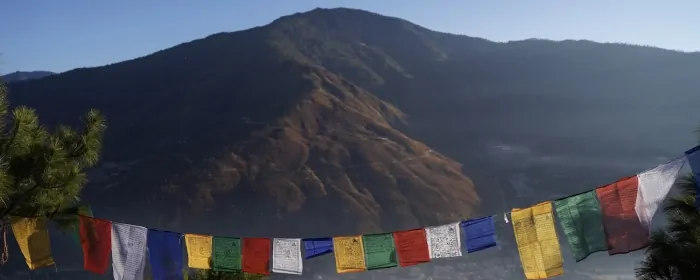
The Kingdom of Bhutan, commonly known as Bhutan, is located between China and India, at the southern foothills of the Himalayas. With a population of just under 800,000, it is a relatively small country, comparable in size to Kyushu. Many of you may have heard of Bhutan as "the happiest country in the world" at least once.
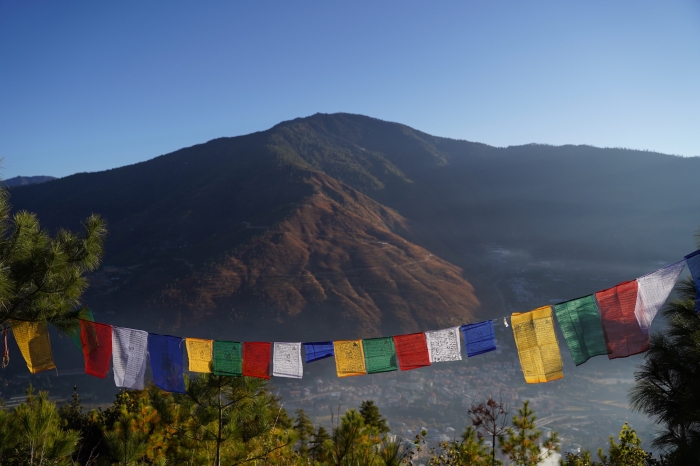
Photo by EU-Bhutan Trade Support OUTPUT3-Bhutan High Value Textile Component
The encounter between the happy country of Bhutan and Dice&Dice surprisingly began in New York. Akiko Ichikawa, a fashion journalist living in New York, has been assisting us with buying and discovering brands in the U.S. A few years ago, Akiko and our buyer Yoshida heard about some interesting souvenirs and headed to the souvenir shop at the United Nations headquarters in Manhattan.
After passing through strict security that required prior passport application to enter, we finally got inside the UN headquarters. We quickly exchanged opinions, saying, "This item is good, this one is a bit lacking," and purchased several interesting souvenirs. A few years later, Akiko contacted us saying, "I have been asked by the UN to introduce Bhutan's traditional crafts," and we were surprised by this coincidence.
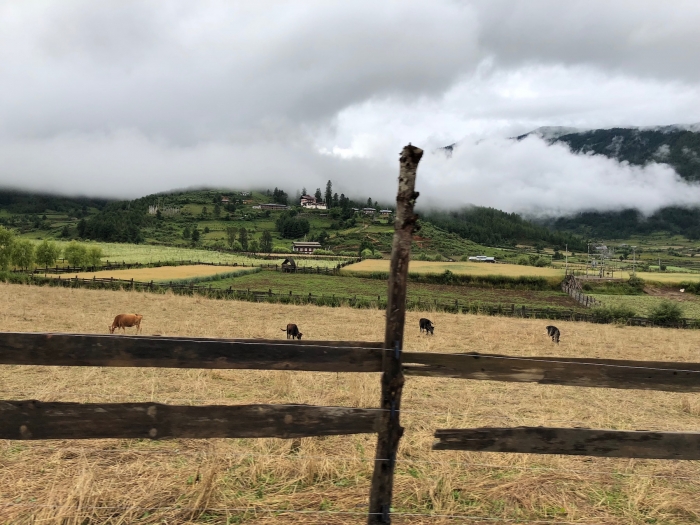
Photo by EU-Bhutan Trade Support OUTPUT3-Bhutan High Value Textile Component
For a long time, Bhutan had very few diplomatic relations with other countries. It joined the United Nations in 1971 and gradually began to establish diplomatic relations, leading to a slow increase in exchanges with other countries. Although it is working steadily towards self-sufficiency, it still requires support. Therefore, the UN launched a project to convey Bhutan's unique traditional culture to the world, aimed at further supporting Bhutan's self-sufficiency. Akiko took on the role of introducing this project to Japan. Thanks to this wonderful connection, Dice&Dice was able to encounter Bhutan's traditional crafts, leading to our current offerings.
Bhutan is famous as "the happiest country in the world." However, it is also referred to as "the land of weaving." Among Bhutan's traditional culture, handwoven textiles, rooted in ethnic costumes, have held an important position for the Bhutanese people since ancient times. The techniques of hand weaving have been passed down from mother to daughter across generations. The tradition of Bhutanese handwoven textiles is like a precious gift from ancestors. For the Bhutanese people, who still wear ethnic costumes daily, it is not just a tradition but an essential skill for their way of life.
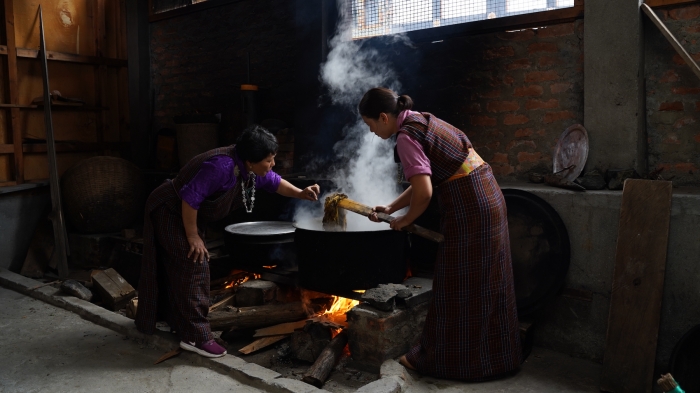
Photo by EU-Bhutan Trade Support OUTPUT3-Bhutan High Value Textile Component
This collection, a joint project between Bhutan and the UN, is named "BHUTAN TEXTILES." The collection, made from Bhutan's traditional handwoven textiles, is carefully crafted from 21 selected handloom workshops scattered throughout Bhutan. Primarily using natural materials such as wool, silk, and cotton, the collection features patterns rooted in religion and folklore, as well as plant dyes made from locally sourced materials, allowing one to richly feel Bhutan's regional characteristics.
We had the opportunity to speak online with the Bhutanese people involved in "BHUTAN TEXTILES" with Akiko's cooperation. Based on that conversation, we would like to provide a detailed explanation of the products in "BHUTAN TEXTILES."
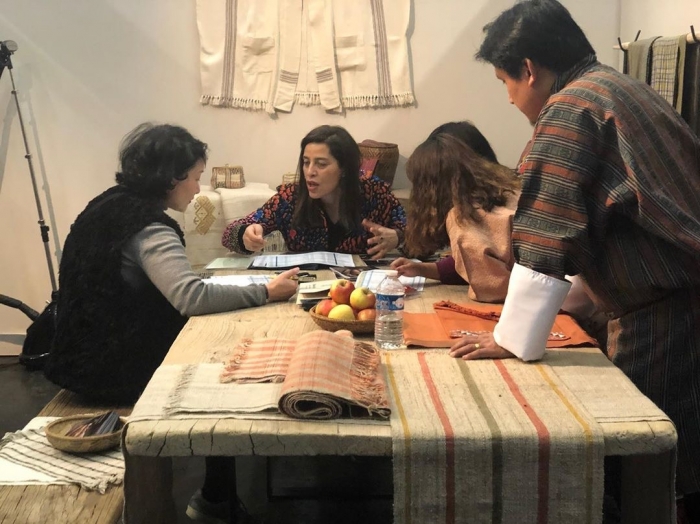
Photo by Instagram @bhutan_textiles
■ About Hand Weaving
Bhutan is known as "the land of weaving," expressing itself through weaving. Bhutanese handwoven textiles are woven solely by hand, without the use of machines. If the item is intricate, it can take over a year to complete, making it a very labor-intensive process. Currently, most of this work is done by women.
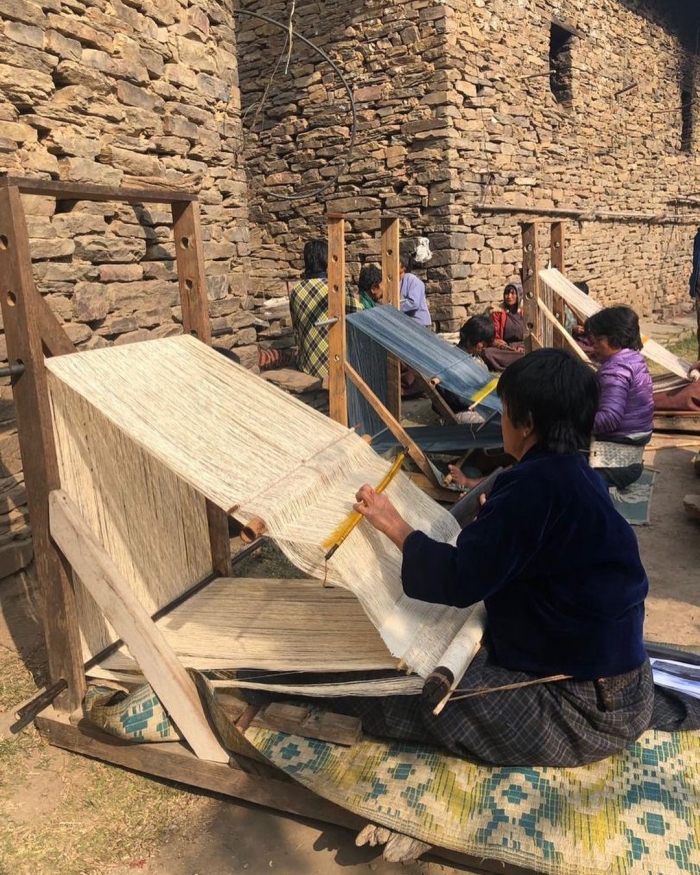
Photo by Instagram @bhutan_textiles
There are two main types of looms used for hand weaving in Bhutan. One is a wooden ground loom called "Pang Tha." It is a primitive loom with a short-legged design, where weavers sit on the floor and weave while tensioning the warp threads with a belt around their waist. The other is a wooden high loom known as "Thrue Tha," said to have been brought from Tibet. This is an improved version of the ground loom that allows the weaver to sit on a chair, but it still operates manually without any automation.
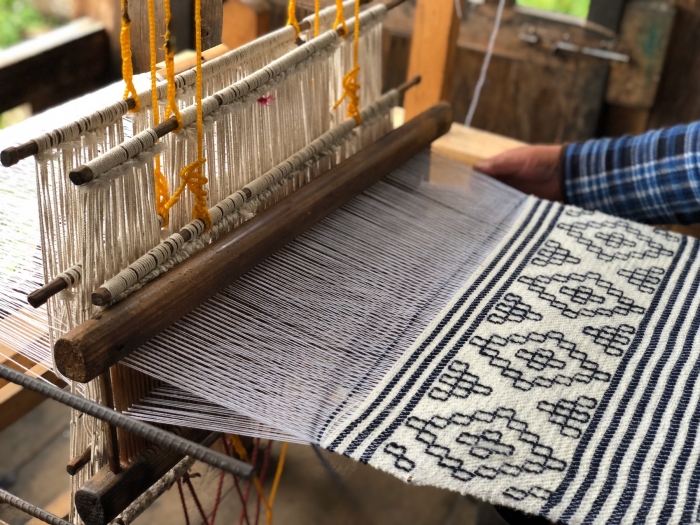
Photo by EU-Bhutan Trade Support OUTPUT3-Bhutan High Value Textile Component
Various patterns that may appear to be embroidery are actually expressed through weaving. The patterns are created using a painstaking technique called "sashiko technique," where each warp thread is hand-picked and woven with thread. Despite possessing such exceptional skills, Bhutanese handwoven textiles have hardly been exported abroad until now. The pure technique has been cultivated for the sake of loved ones and continues to evolve.
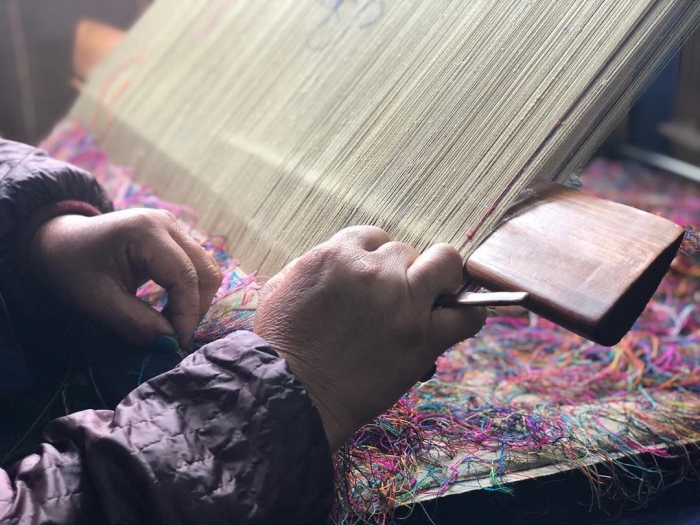
Photo by Instagram @bhutan_textiles
In Bhutan, there is a term for hand weaving called "Hingham." This term not only refers to handwork and technical aspects but also means "to weave with the heart." Handwoven textiles are likely a symbol of identity for the Bhutanese people.
■ About Patterns
The colorful threads that express various shapes are one of the significant characteristics of Bhutanese handwoven textiles. Each pattern has its origin and meaning rooted in Bhutanese culture.
For example, there are motifs inspired by nature, such as animals and flowers. This pattern, created by gathering small triangles, represents a butterfly. The butterfly is a relatively common motif, used in various materials and existing in various shapes and sizes.
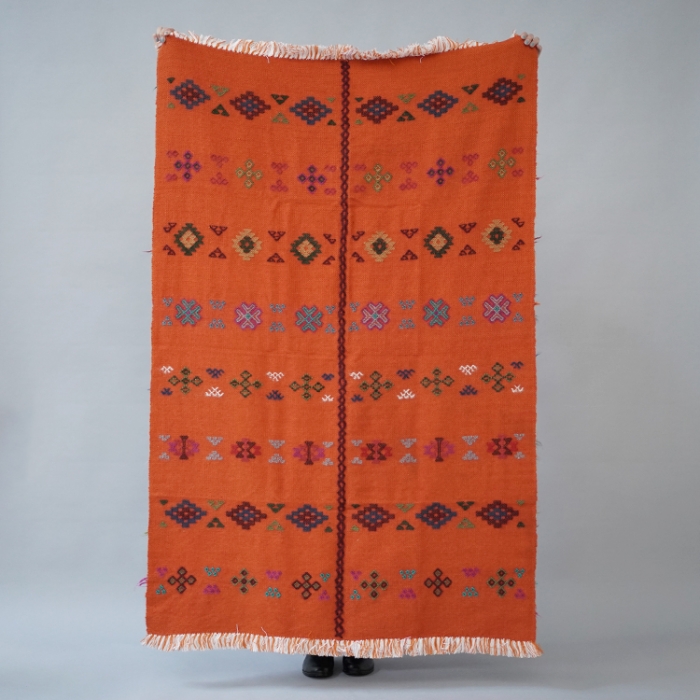
"Butterfly and Protection Weave Pattern"
FABRIC / TSOTSO ¥18,500+TAX
There are also patterns derived from daily life and surrounding tools. The diamond pattern that appears alongside the aforementioned butterfly motif textile signifies protection, originating from Bhutanese weapons. This pattern embodies the desire to protect its owner from misfortune.
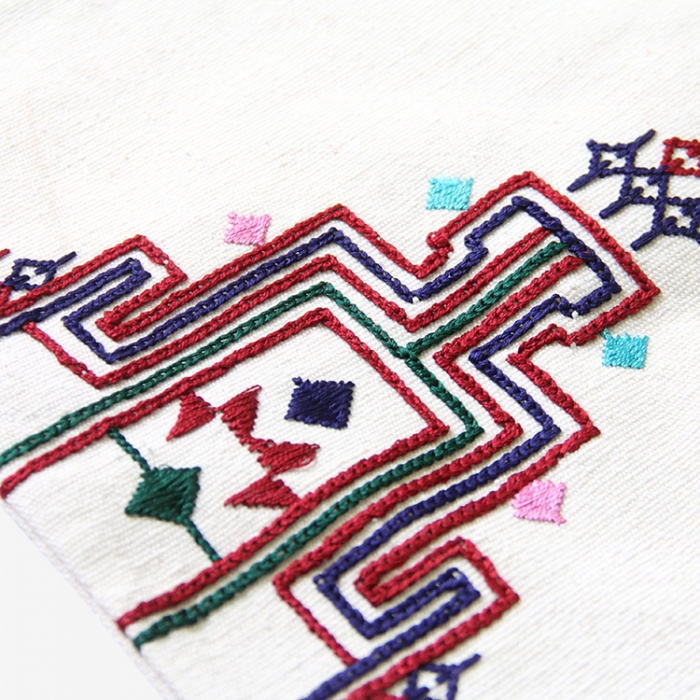
"Pattern called GACHU"
CUSHION COVER / GACHU ¥5,100+TAX
The embroidered pattern called "GACHU" depicted on a small cushion cover also signifies protection. Originally, this pattern derives from a necklace worn as an amulet and has been adapted for use in the collection.
The complex pattern, where multiple lines intersect, is derived from a metal box used to hold betel nuts, which is held by people of special status. Betel nuts are a type of chewable tobacco-like product enjoyed in Bhutan, where tobacco is prohibited.
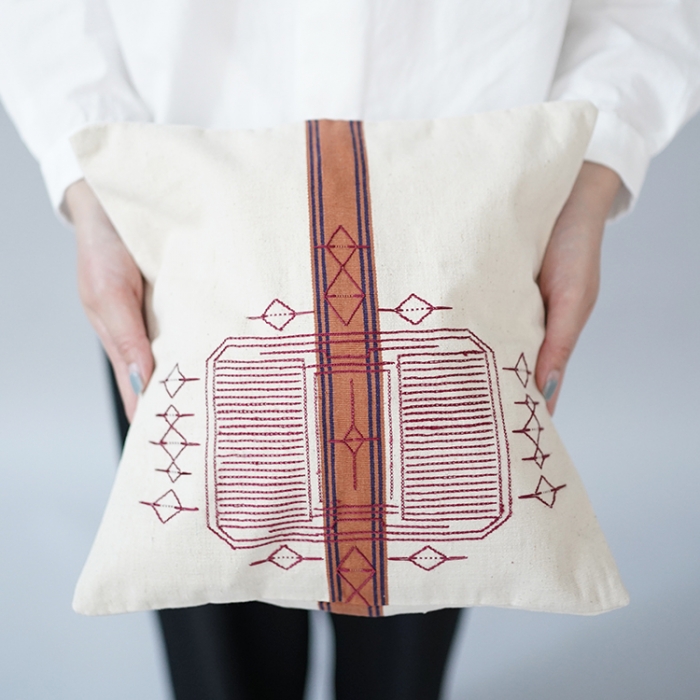
"Pattern inspired by a betel nut container"
CUSHION COVER / RINZIN ¥3,700+TAX
The textile, featuring a reddish-brown mixed fabric adorned with colorful patterns, is special as it is made in a high-altitude, secretive area in eastern Bhutan. It is woven by collecting leftover threads from other weavings and connecting them, resulting in a unique mixed fabric. Colorful patterns inspired by flowers are worn by women, while plain ones are worn by men.
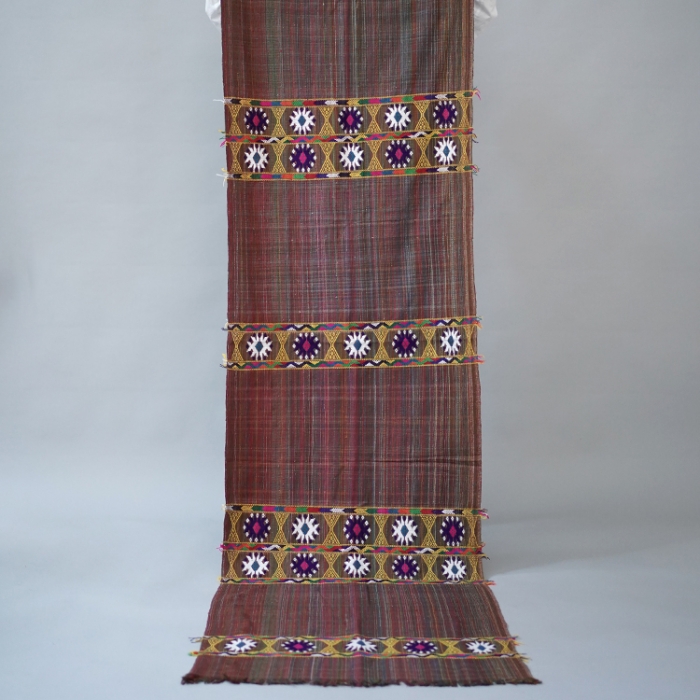
"Beautiful mixed fabric with colorful weave patterns"
FABRIC / DECHEN ¥30,000+TAX
Unlike the previous abstract patterns, there are also textiles that clearly depict buildings resembling temples. This is a depiction of the Taktsang Monastery (also known as Tiger's Nest), a real temple located on a vertical cliff at an altitude of about 3,120 meters, known as a sacred site of Tibetan Buddhism. This is one of Bhutan's representative landmarks that the Bhutanese people must visit at least once, and the entire image of the Taktsang Monastery is carefully embroidered.
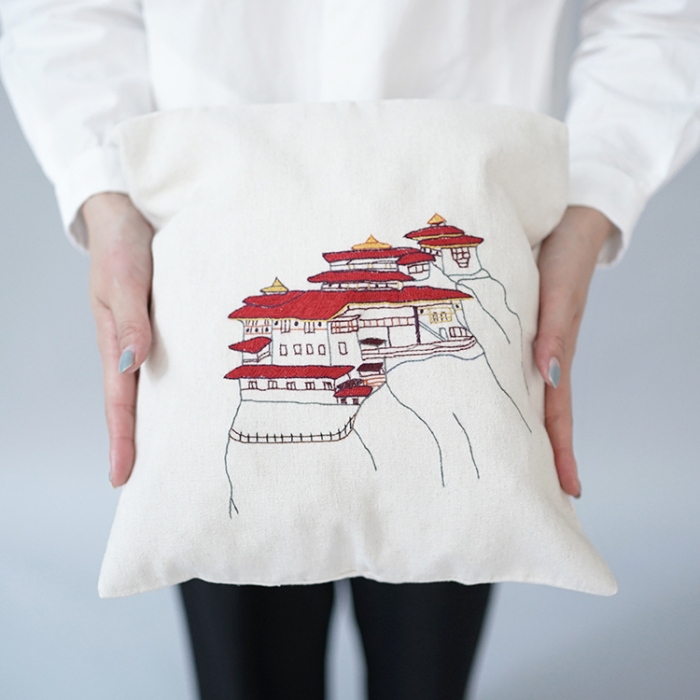
"Depicting Tiger's Nest with fine embroidery"
CUSHION COVER / DEKI ¥6,500+TAX
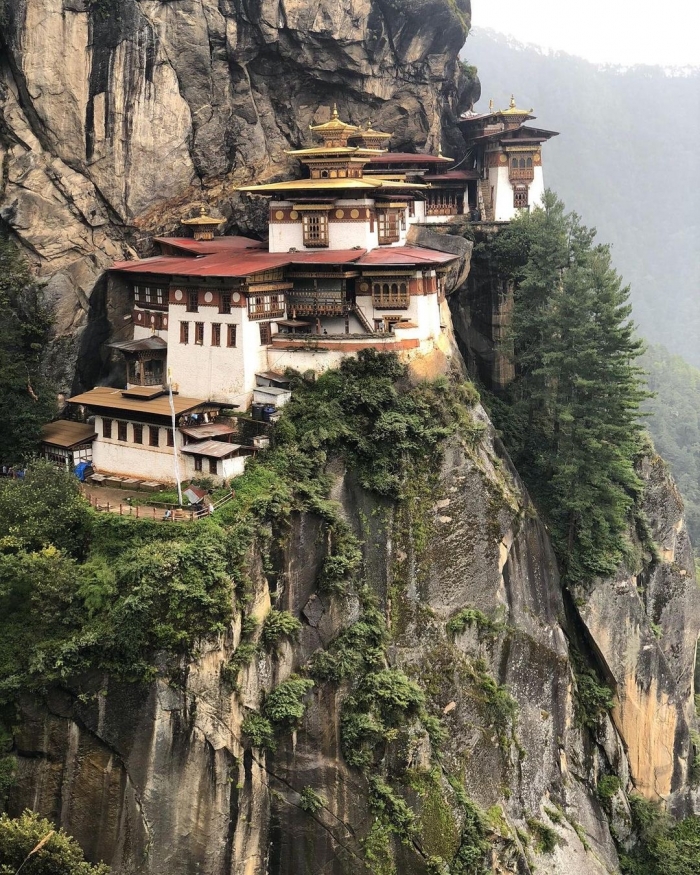
Photo by Instagram @bhutan_textiles
When working or visiting temples, the Bhutanese people always wear their ethnic costumes. The basic ethnic costume worn by women is called "KIRA." It is a one-piece garment that is intricately wrapped around the body with a thick piece of fabric, resembling a kimono. The collection also features an item named "KIRA," but it is a simple textile composed only of patterns like checks and stripes, without any additional designs.
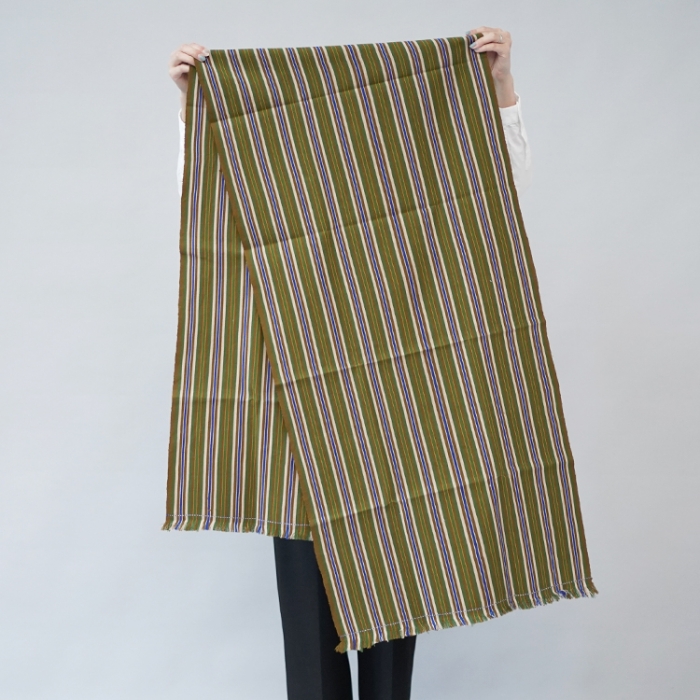
"Thick fabric suitable for tablecloths and more"
FABRIC / KIRA ¥5,300+TAX
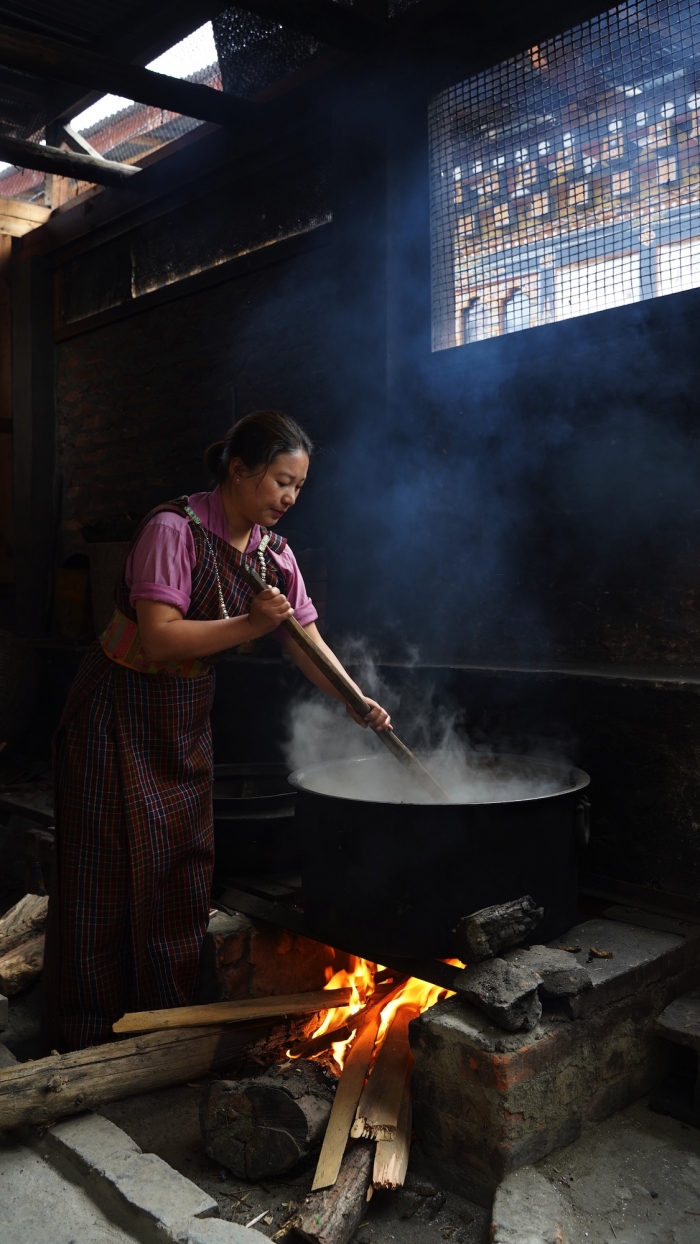
Photo by EU-Bhutan Trade Support OUTPUT3-Bhutan High Value Textile Component
■ About Dyeing
With 72% of its land covered by forests, Bhutan's people live in harmony with this untouched, rich nature. The southern plains of Bhutan have a warm climate, while the northern region is characterized by the high and rugged peaks of the Himalayas. Thanks to this diversity of geographical conditions, Bhutan has become one of the world's premier wildlife havens.
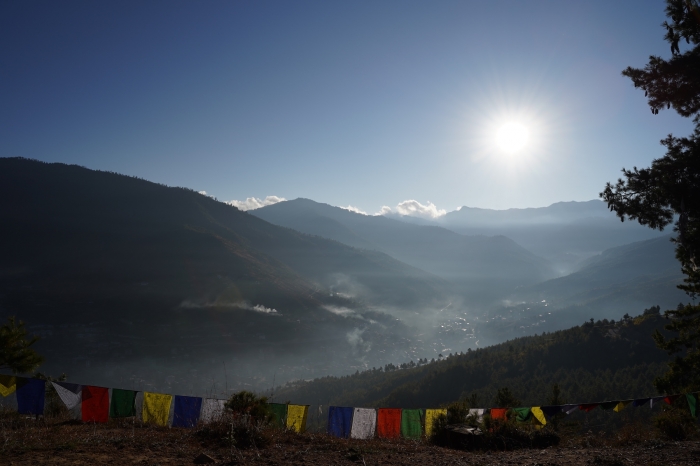
Photo by EU-Bhutan Trade Support OUTPUT3-Bhutan High Value Textile Component
The culture of Bhutanese handwoven textiles, nurtured in this great nature, has developed techniques that use local wildlife as dyeing materials. In Bhutanese handwoven textiles, those dyed with plant dyes specifically use materials such as madder, mugwort, indigo, nuts like walnuts, stick lac (secretions from lac insects), and tree bark. These are made into dyes using natural methods passed down through generations, and the threads are dyed.
In previous generations, dyeing techniques and the proportions of dye mixtures were kept secret among families, preserving unique colors for each household. However, nowadays, to ensure the continuation of this culture, these previously secret techniques are being shared.
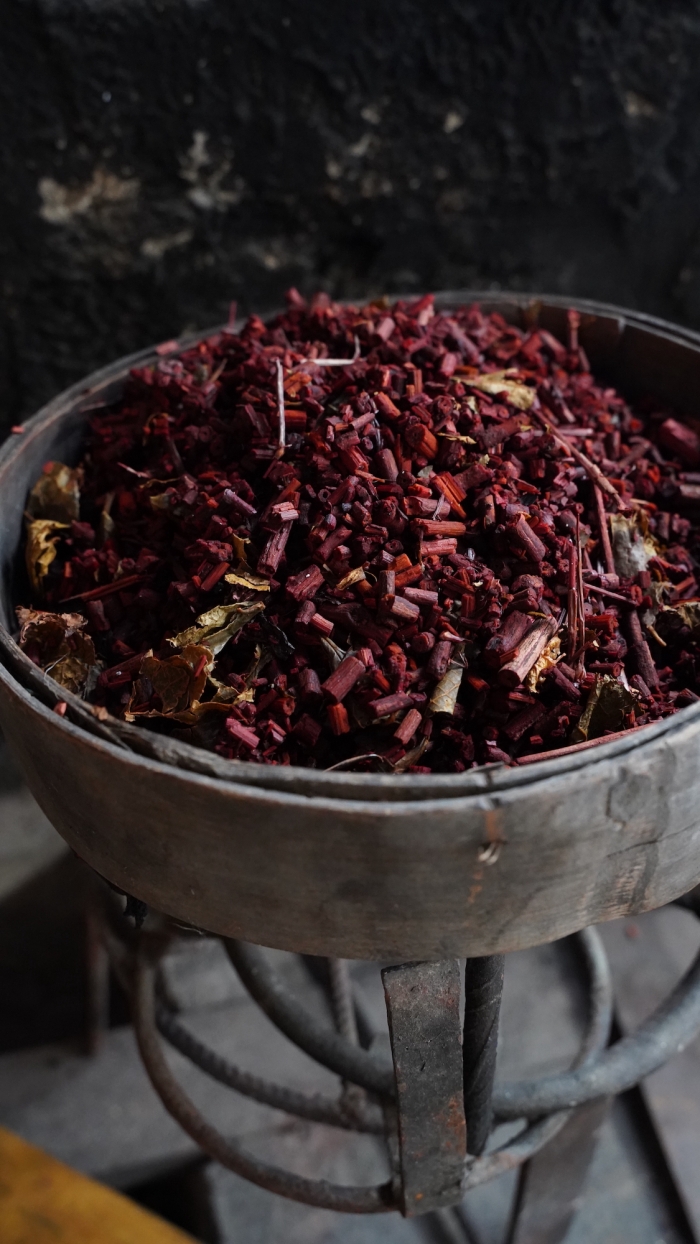
Photo by EU-Bhutan Trade Support OUTPUT3-Bhutan High Value Textile Component
These are the main characteristics of Bhutanese handwoven textiles. While many ethnic groups still wear ethnic costumes today, very few still wear handwoven garments regularly. The Bhutanese people, known for their love of clothing, cherish the culture of handwoven textiles passed down from ancient times and continue to enjoy dressing in their ethnic costumes.
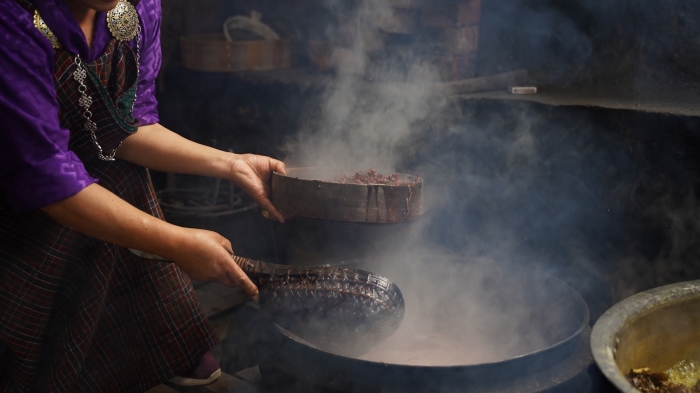
Photo by EU-Bhutan Trade Support OUTPUT3-Bhutan High Value Textile Component
Bhutan is called "the happiest country in the world." This is based on Bhutan's unique development indicator, "GNH (Gross National Happiness)." This concept was born from the idea that the happiness of each citizen should be maximized to enhance the overall happiness of society. Such values have been a part of Bhutanese culture for a long time, and in recent years, they have been systematized and turned into indicators.
We posed a simple question to the Bhutanese people involved in "BHUTAN TEXTILES": "Do you think you are born happy, or do you strive to be happy?" One of them, Sonam, replied, "Bhutan is a small country, so all citizens feel like family, respecting and cooperating with each other. Of course, there are various hardships, but including those, I feel happy with what I have now."
Photo by EU-Bhutan Trade Support OUTPUT3-Bhutan High Value Textile Component
The Kingdom of Bhutan has been a distant land with completely different culture and living environment for us until now. However, the Bhutanese people we had the opportunity to speak with did not seem to differ much from us living in Japan. Rather, we felt a strong sense of familiarity with the Bhutanese, who share somewhat similar facial features and speak in a modest tone. If there is any difference between the Bhutanese and us, it may indeed be a difference in the perception of "happiness." The project "BHUTAN TEXTILES" aims to support Bhutan, but conversely, it may also provide us with an opportunity to reconsider "happiness" through our engagement with Bhutan's handwoven textile culture.
Photo by EU-Bhutan Trade Support OUTPUT3-Bhutan High Value Textile Component
The interview concluded with the words of the Bhutanese, "Bhutan's handwoven textiles are created with the philosophy of coexisting with nature and continuing for a long time. We want as many people as possible to know about this traditional culture of Bhutan." Bhutanese handwoven textiles are not only beautiful and enjoyable to look at but also carry a value that transcends the material by touching upon the feelings of the Bhutanese people behind them. We hope that Dice&Dice can become a place where people can encounter such sentiments.
Here is the page for Dice&Dice ONLINE STORE 'BHUTAN TEXTILES'
Text/Edit_藤雄紀
Photo by EU-Bhutan Trade Support OUTPUT3-Bhutan High Value Textile Component
The encounter between the happy country of Bhutan and Dice&Dice surprisingly began in New York. Akiko Ichikawa, a fashion journalist living in New York, has been assisting us with buying and discovering brands in the U.S. A few years ago, Akiko and our buyer Yoshida heard about some interesting souvenirs and headed to the souvenir shop at the United Nations headquarters in Manhattan.
After passing through strict security that required prior passport application to enter, we finally got inside the UN headquarters. We quickly exchanged opinions, saying, "This item is good, this one is a bit lacking," and purchased several interesting souvenirs. A few years later, Akiko contacted us saying, "I have been asked by the UN to introduce Bhutan's traditional crafts," and we were surprised by this coincidence.
Photo by EU-Bhutan Trade Support OUTPUT3-Bhutan High Value Textile Component
For a long time, Bhutan had very few diplomatic relations with other countries. It joined the United Nations in 1971 and gradually began to establish diplomatic relations, leading to a slow increase in exchanges with other countries. Although it is working steadily towards self-sufficiency, it still requires support. Therefore, the UN launched a project to convey Bhutan's unique traditional culture to the world, aimed at further supporting Bhutan's self-sufficiency. Akiko took on the role of introducing this project to Japan. Thanks to this wonderful connection, Dice&Dice was able to encounter Bhutan's traditional crafts, leading to our current offerings.
Bhutan is famous as "the happiest country in the world." However, it is also referred to as "the land of weaving." Among Bhutan's traditional culture, handwoven textiles, rooted in ethnic costumes, have held an important position for the Bhutanese people since ancient times. The techniques of hand weaving have been passed down from mother to daughter across generations. The tradition of Bhutanese handwoven textiles is like a precious gift from ancestors. For the Bhutanese people, who still wear ethnic costumes daily, it is not just a tradition but an essential skill for their way of life.
Photo by EU-Bhutan Trade Support OUTPUT3-Bhutan High Value Textile Component
This collection, a joint project between Bhutan and the UN, is named "BHUTAN TEXTILES." The collection, made from Bhutan's traditional handwoven textiles, is carefully crafted from 21 selected handloom workshops scattered throughout Bhutan. Primarily using natural materials such as wool, silk, and cotton, the collection features patterns rooted in religion and folklore, as well as plant dyes made from locally sourced materials, allowing one to richly feel Bhutan's regional characteristics.
We had the opportunity to speak online with the Bhutanese people involved in "BHUTAN TEXTILES" with Akiko's cooperation. Based on that conversation, we would like to provide a detailed explanation of the products in "BHUTAN TEXTILES."
Photo by Instagram @bhutan_textiles
■ About Hand Weaving
Bhutan is known as "the land of weaving," expressing itself through weaving. Bhutanese handwoven textiles are woven solely by hand, without the use of machines. If the item is intricate, it can take over a year to complete, making it a very labor-intensive process. Currently, most of this work is done by women.
Photo by Instagram @bhutan_textiles
There are two main types of looms used for hand weaving in Bhutan. One is a wooden ground loom called "Pang Tha." It is a primitive loom with a short-legged design, where weavers sit on the floor and weave while tensioning the warp threads with a belt around their waist. The other is a wooden high loom known as "Thrue Tha," said to have been brought from Tibet. This is an improved version of the ground loom that allows the weaver to sit on a chair, but it still operates manually without any automation.
Photo by EU-Bhutan Trade Support OUTPUT3-Bhutan High Value Textile Component
Various patterns that may appear to be embroidery are actually expressed through weaving. The patterns are created using a painstaking technique called "sashiko technique," where each warp thread is hand-picked and woven with thread. Despite possessing such exceptional skills, Bhutanese handwoven textiles have hardly been exported abroad until now. The pure technique has been cultivated for the sake of loved ones and continues to evolve.
Photo by Instagram @bhutan_textiles
In Bhutan, there is a term for hand weaving called "Hingham." This term not only refers to handwork and technical aspects but also means "to weave with the heart." Handwoven textiles are likely a symbol of identity for the Bhutanese people.
■ About Patterns
The colorful threads that express various shapes are one of the significant characteristics of Bhutanese handwoven textiles. Each pattern has its origin and meaning rooted in Bhutanese culture.
For example, there are motifs inspired by nature, such as animals and flowers. This pattern, created by gathering small triangles, represents a butterfly. The butterfly is a relatively common motif, used in various materials and existing in various shapes and sizes.
"Butterfly and Protection Weave Pattern"
FABRIC / TSOTSO ¥18,500+TAX
There are also patterns derived from daily life and surrounding tools. The diamond pattern that appears alongside the aforementioned butterfly motif textile signifies protection, originating from Bhutanese weapons. This pattern embodies the desire to protect its owner from misfortune.
"Pattern called GACHU"
CUSHION COVER / GACHU ¥5,100+TAX
The embroidered pattern called "GACHU" depicted on a small cushion cover also signifies protection. Originally, this pattern derives from a necklace worn as an amulet and has been adapted for use in the collection.
The complex pattern, where multiple lines intersect, is derived from a metal box used to hold betel nuts, which is held by people of special status. Betel nuts are a type of chewable tobacco-like product enjoyed in Bhutan, where tobacco is prohibited.
"Pattern inspired by a betel nut container"
CUSHION COVER / RINZIN ¥3,700+TAX
The textile, featuring a reddish-brown mixed fabric adorned with colorful patterns, is special as it is made in a high-altitude, secretive area in eastern Bhutan. It is woven by collecting leftover threads from other weavings and connecting them, resulting in a unique mixed fabric. Colorful patterns inspired by flowers are worn by women, while plain ones are worn by men.
"Beautiful mixed fabric with colorful weave patterns"
FABRIC / DECHEN ¥30,000+TAX
Unlike the previous abstract patterns, there are also textiles that clearly depict buildings resembling temples. This is a depiction of the Taktsang Monastery (also known as Tiger's Nest), a real temple located on a vertical cliff at an altitude of about 3,120 meters, known as a sacred site of Tibetan Buddhism. This is one of Bhutan's representative landmarks that the Bhutanese people must visit at least once, and the entire image of the Taktsang Monastery is carefully embroidered.
"Depicting Tiger's Nest with fine embroidery"
CUSHION COVER / DEKI ¥6,500+TAX
Photo by Instagram @bhutan_textiles
When working or visiting temples, the Bhutanese people always wear their ethnic costumes. The basic ethnic costume worn by women is called "KIRA." It is a one-piece garment that is intricately wrapped around the body with a thick piece of fabric, resembling a kimono. The collection also features an item named "KIRA," but it is a simple textile composed only of patterns like checks and stripes, without any additional designs.
"Thick fabric suitable for tablecloths and more"
FABRIC / KIRA ¥5,300+TAX
Photo by EU-Bhutan Trade Support OUTPUT3-Bhutan High Value Textile Component
■ About Dyeing
With 72% of its land covered by forests, Bhutan's people live in harmony with this untouched, rich nature. The southern plains of Bhutan have a warm climate, while the northern region is characterized by the high and rugged peaks of the Himalayas. Thanks to this diversity of geographical conditions, Bhutan has become one of the world's premier wildlife havens.
Photo by EU-Bhutan Trade Support OUTPUT3-Bhutan High Value Textile Component
The culture of Bhutanese handwoven textiles, nurtured in this great nature, has developed techniques that use local wildlife as dyeing materials. In Bhutanese handwoven textiles, those dyed with plant dyes specifically use materials such as madder, mugwort, indigo, nuts like walnuts, stick lac (secretions from lac insects), and tree bark. These are made into dyes using natural methods passed down through generations, and the threads are dyed.
In previous generations, dyeing techniques and the proportions of dye mixtures were kept secret among families, preserving unique colors for each household. However, nowadays, to ensure the continuation of this culture, these previously secret techniques are being shared.
Photo by EU-Bhutan Trade Support OUTPUT3-Bhutan High Value Textile Component
These are the main characteristics of Bhutanese handwoven textiles. While many ethnic groups still wear ethnic costumes today, very few still wear handwoven garments regularly. The Bhutanese people, known for their love of clothing, cherish the culture of handwoven textiles passed down from ancient times and continue to enjoy dressing in their ethnic costumes.
Photo by EU-Bhutan Trade Support OUTPUT3-Bhutan High Value Textile Component
Bhutan is called "the happiest country in the world." This is based on Bhutan's unique development indicator, "GNH (Gross National Happiness)." This concept was born from the idea that the happiness of each citizen should be maximized to enhance the overall happiness of society. Such values have been a part of Bhutanese culture for a long time, and in recent years, they have been systematized and turned into indicators.
We posed a simple question to the Bhutanese people involved in "BHUTAN TEXTILES": "Do you think you are born happy, or do you strive to be happy?" One of them, Sonam, replied, "Bhutan is a small country, so all citizens feel like family, respecting and cooperating with each other. Of course, there are various hardships, but including those, I feel happy with what I have now."
Photo by EU-Bhutan Trade Support OUTPUT3-Bhutan High Value Textile Component
The Kingdom of Bhutan has been a distant land with completely different culture and living environment for us until now. However, the Bhutanese people we had the opportunity to speak with did not seem to differ much from us living in Japan. Rather, we felt a strong sense of familiarity with the Bhutanese, who share somewhat similar facial features and speak in a modest tone. If there is any difference between the Bhutanese and us, it may indeed be a difference in the perception of "happiness." The project "BHUTAN TEXTILES" aims to support Bhutan, but conversely, it may also provide us with an opportunity to reconsider "happiness" through our engagement with Bhutan's handwoven textile culture.
Photo by EU-Bhutan Trade Support OUTPUT3-Bhutan High Value Textile Component
The interview concluded with the words of the Bhutanese, "Bhutan's handwoven textiles are created with the philosophy of coexisting with nature and continuing for a long time. We want as many people as possible to know about this traditional culture of Bhutan." Bhutanese handwoven textiles are not only beautiful and enjoyable to look at but also carry a value that transcends the material by touching upon the feelings of the Bhutanese people behind them. We hope that Dice&Dice can become a place where people can encounter such sentiments.
Here is the page for Dice&Dice ONLINE STORE 'BHUTAN TEXTILES'
Text/Edit_藤雄紀