


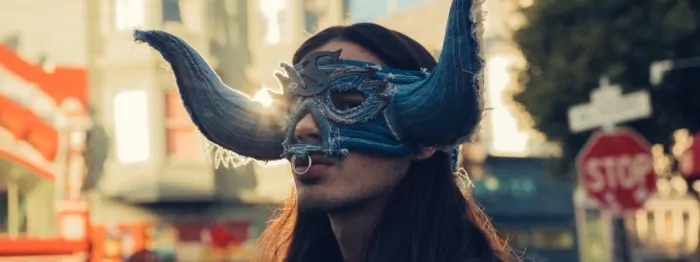
San Francisco was known as "SEVEN BY SEVEN" because it fits within a 7-mile by 7-mile area. The designer Junya Kawakami often heard this name while living in San Francisco and liked the sound of it, which inspired the brand name. Since his teenage years, he traveled alone to the U.S. and spent his days collecting vintage clothing among the locals in San Francisco. We had a detailed conversation about his experiences, the differences in values he felt compared to Japan, the people he respects, and how that lifestyle connects to his current designs.
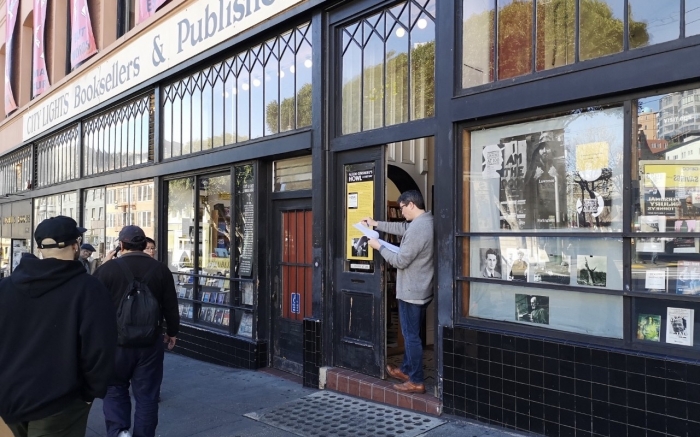
Dice&Dice (hereafter D): Please tell us about the differences you felt between Japan and San Francisco when you lived there, for example, regarding the fashion trends at that time.
Junya Kawakami (hereafter Kawakami): I went there in the late 90s, and I felt that there wasn't really a fashion trend like in Japan. I didn't feel like there was anything that was particularly in style, like in Japan. What I found was more about culture than fashion. There were skaters and messengers, and it was more about styles related to those cultures. There might have been trends within that, but there wasn't a clear vintage boom or underground fashion scene like in Japan at that time.
D: Of course, there were clothing stores, right?
Kawakami: Yes, there were. There were new select shops, but I mostly went to vintage shops. At that time, I didn't have the money to buy new clothes (laughs).
D: Were there interesting people gathering at the vintage shops in San Francisco back then?
Kawakami: There were many people proposing their own styles, which was interesting. There were some very eccentric individuals, as well as some really cool ones. It was a very stimulating place.
D: By the way, what kind of items were in the new shops at that time?
Kawakami: What did they have? Well, there were classic American brands and local brands, among other things. Around the year 2000, there was a neighborhood called Castro, which was known for its gay community, and there were various trendy designer brands like Margiela and Helmut Lang. I was living in a way that I couldn't afford to buy anything, so I just went to look. But those items would later appear as vintage in the shops, so I would buy them then.
D: So, collecting vintage clothing every day eventually led to your work, right?
Kawakami: Yes. At first, I didn't think of it as a business. It just happened that my hobby turned into work.
D: What was your life like back then?
Kawakami: I was sharing an apartment with friends, and I was buying vintage clothes and collecting them in the room. The clothes were folded and stacked against the walls. I was sleeping in that room. From that time, I wasn't buying vintage clothes based on trends or values, and I wasn't taught by anyone; I was buying based on my own sense. There weren't many people to teach me (laughs). I had a few suppliers, and I would buy various items and say, "I got this today," enjoying it at night. I bought a lot of really strange things back then (laughs).
D: You were selling the vintage clothes you collected to someone else, right?
Kawakami: No. At first, I was just collecting for myself.
D: You were just collecting for yourself? That's impressive.
Kawakami: That's true. And I had a huge amount. Just a complete weirdo (laughs).
Everyone: (laughs)
Kawakami: I never thought that would turn into a business. One day, I decided to return to Japan after a long time and thought I would go look for clothes, so I returned to Tokyo. At that time, it was around the end of the 90s or 2000, and Japan was experiencing a new vintage boom. During that time, I found "go-getter" really interesting. It was originally where designer Obana was, but I happened to think it looked interesting and went in, where I met Matsuda. Matsuda is a person who was a top figure with Obana at go-getter. He is now back in Iwate running a brand and shop. I met him for the first time, and we hit it off, spending 1-2 hours in the store. I bought quite a few clothes there, and I thought the taste of vintage clothing I was picking was very similar to what he was doing. Many people have the mindset that vintage items are valuable because they are vintage, but I found Matsuda and Obana were proposing vintage clothing based on style, which was very fresh. They weren't saying that vintage is valuable just because it's vintage. Matsuda said to me, "Come to San Francisco to buy. I have a lot of good vintage clothes in my room." After that, when I returned to America and was helping a friend's dealer set up at Rose Bowl in LA, I happened to run into Matsuda, who was there buying, and we exclaimed, "What are you doing!" Then Matsuda suddenly asked, "Can I come to your house?" The next day, he really came to my house in San Francisco, and when he saw the huge amount of vintage clothes I had, he was like, "Who is this guy?" He really liked the vintage clothes I had picked out and bought a lot of them. After Matsuda left, most of the clothes that were piled up like a wall were gone.
D: So he bought almost everything?
Kawakami: Yes, he bought almost everything. After that, Matsuda started coming to San Francisco regularly to buy, staying for 3-4 days, buying the vintage clothes I selected, and we would go around buying together and helping each other.
D: He liked your picking sense, right?
Kawakami: Yes. So, I would ask, "What should I collect next?" but he would say, "Just collect what you like; it's fine with me."
D: Were you collecting not just clothes but also miscellaneous goods at that time?
Kawakami: I started collecting miscellaneous goods gradually. Through Matsuda, I met various dealers and went to the homes of Japanese seniors living in America and foreign friends, and their rooms were just so cool. Their lifestyle was all integrated into their daily lives in a way that didn't feel forced, and it was really wonderful. It wasn't about value or whether something was famous or not; it was about incorporating what you truly love into your life and making it your own. It was very fresh and beautiful.
D: Specifically, what was it like?
Kawakami: For example, a "CHEMEX" coffee maker. It's a very simple and analog coffee maker, but they were using vintage items with real value in their daily lives, like drinking from a famous vintage cup from San Francisco called "HEATH CHRAMICS." I was inspired by the authenticity of how they incorporated these items into their daily lives. It became a natural part of their lives, not just an aspiration. It was really cool. Seeing and feeling that kind of environment up close changed my values. My perception of clothing changed in the same way.
D: Did you live in downtown?
Kawakami: Yes, near downtown. It was quite a dangerous area.
D: Do you have any stories about how dangerous it was?
Kawakami: It was dangerous every day (laughs). The place I was buying from was called a donation center, where recycled items from all over the U.S. gathered, and I was one of the few Japanese people there. I think if everyone went there, they would be quite shocked by the environment.
Everyone: (laughs)
Kawakami: With the location and the atmosphere of the building, I don't think a normal person would want to go in. When you enter, there are really only homeless people and some bizarre characters (laughs). So there were fights almost every day, over things. At first, I was quite taken aback (laughs).
D: Everyone is there to shop, right?
Kawakami: Everyone was there to make a living. I was the only one there for fun. Most of the people were there because their lives depended on finding good items. There was also a white dealer who was like the boss, who would have everyone look for specific items to buy up. Most of that dealer's customers were Japanese vintage shop owners, who would buy popular items in Japan like Levi's 501 or Patagonia.
D: I see, so everyone was controlled by that dealer.
Kawakami: Yes, exactly. How many of the items that dealer wanted to find would determine their income. Since their lives depended on it, everyone went crazy looking for Levi's 501 or Patagonia. They were taught that it would make money. So there were frequent fights over clothes. In the midst of that, I was discovering new values while searching for vintage clothes at my own pace.
D: Were you selling clothes too?
Kawakami: Yes. I mostly sold to a small number of Japanese vintage shop owners I became acquainted with, but when I wanted some quick cash, I would sell to that American dealer. There were also local vintage shops that would buy from me, and I would go sell to earn some quick money.
D: If you found something good, would they buy it at a high price?
Kawakami: Yes, exactly. So if I found something good, it would level up my dinner that night. I lived like that every day (laughs). Some days I would just have fried rice, and other days I would have fried rice with side dishes and beer, like switching from Budweiser to Heineken (laughs).
D: How long did that lifestyle last?
Kawakami: About 2-3 years. It was a great memory. Because of that time, I was able to connect to SEVEN BY SEVEN. Everything about how I see things and think. If I had stayed in Japan, I wouldn't have become who I am now.
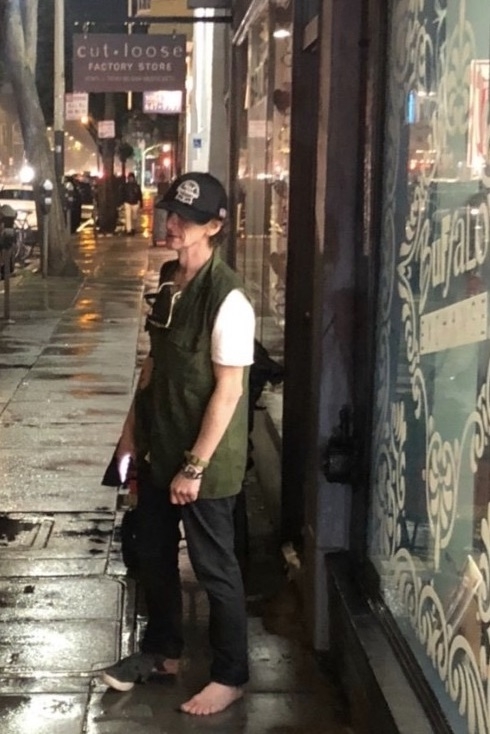
D: In the photos you sent from San Francisco, there was a person without shoes.
Kawakami: Oh, that's Eric. He is my mentor (laughs).
D: Is that a normal sight in San Francisco?
Kawakami: At that time, I don't know if it was a surprise or what, but he wasn't wearing shoes (laughs). I wanted to see clothes, so I went into a vintage shop alone. The other filming staff were outside smoking and waiting. It was already dark outside, and the weather was bad, and since I was taking them to strange places, everyone was anxious. Then, I heard someone in the back going crazy. I noticed it, but I thought it was just a usual occurrence, so I ignored it. After I finished looking around the store and went outside, that person was loudly calling my name, and it was Eric (laughs). With that appearance, he was calling my name loudly several times, so everyone was taken aback (laughs). The moment I came out, I said, "Oh! Eric, long time no see!" and shook hands, and everyone was even more shocked (laughs).
D: How did you become friends with local people like that?
Kawakami: Hmm. I guess it's because I'm a good guy (laughs). I treated Eric with respect. I really respected his sense of style.
D: Who is Eric?
Kawakami: A real hippie, I guess. He doesn't have front teeth (laughs).
D: What did you learn from your mentor?
Kawakami: It's not so much that he taught me, but he showed me through his actions (laughs). I bought a lot of products from him.
Everyone: (laughs)
Kawakami: Of course, he didn't teach me anything. He probably didn't even know why he picked certain items (laughs). It was more about observing and learning by buying. He really has great taste. Japanese vintage shop owners are strong on criteria like, "This detail is like this, so it's expensive because it's from this era." But Eric isn't like that. While everyone is searching for items in the same environment and timing, Eric finds amazing things from what everyone else has picked over. He finds incredible vintage items that are strange but really cool. Even though everyone is in the same environment, he is the only one who can find them. While we are all frantically digging through the newly arrived items, Eric is calmly rummaging through the clothes that have fallen. Later, when I would say, "Eric, show me a bit," he would have amazing items. They weren't vintage or things that are valuable in Japan, but Eric's selection sense was very much in line with current fashion. I was able to broaden my perspective by seeing that kind of thing up close every day.
D: Why do you think Eric had such good taste?
Kawakami: I wonder. Maybe he sees a different world because of drugs (laughs).
D: Is Eric an artist or a poet?
Kawakami: From what I saw, he was different from that. Well, in a sense, he was like a dead person.
Everyone: (laughs)
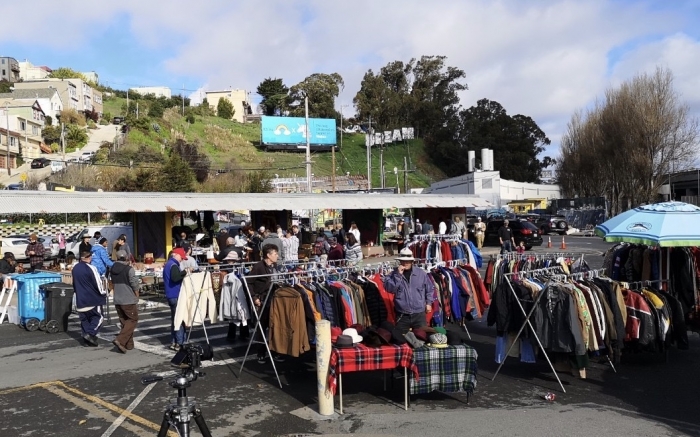
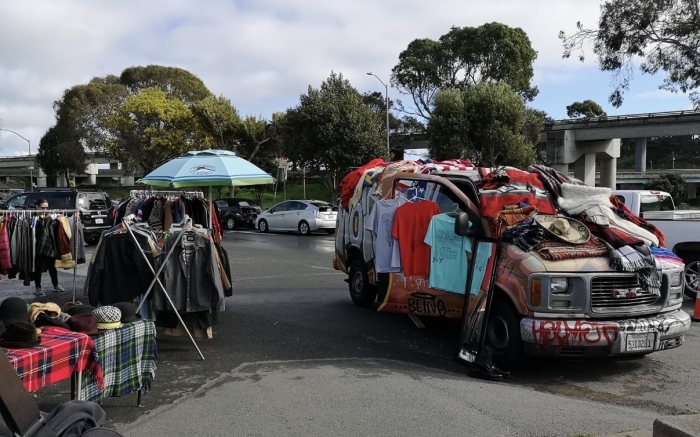
D: In the photos, you also went to places that looked like flea markets. Did you also buy from those places back then?
Kawakami: Yes, I went there often.
D: I saw an old friend there too.
Kawakami: He is a person who fled from Europe to America. I forgot his name. There were many people with various circumstances at the buying places, like Mexicans who brought their families and babies to pick vintage clothes, and they were in groups of 5-6. They were the largest and most powerful group.
D: That's amazing. America.
Kawakami: It's amazing. Super multinational.
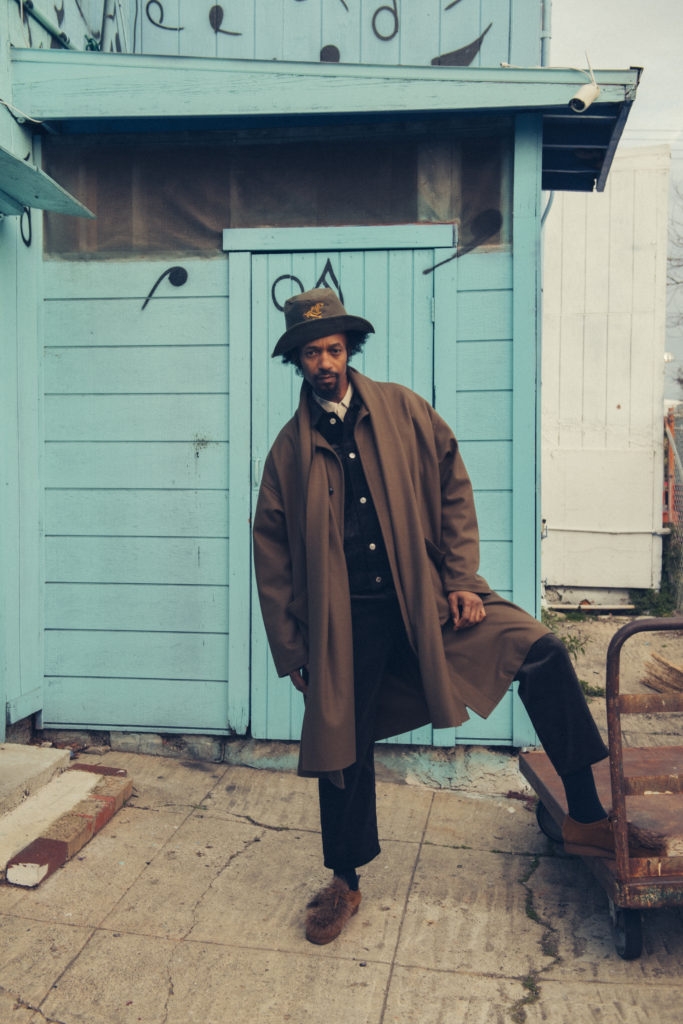
D: Living in Japan, I think of fleeing as a story from a distant world.
Kawakami: That's right. There were many others with various circumstances too. Everyone was desperate. Even though they were in America, they were aware of the situations in various countries, which was a rare experience. It felt like watching a non-fiction TV show every day (laughs).
D: Did you ever feel disliked? There were probably not many Japanese people.
Kawakami: I wonder. But for them, my presence would mean one more rival, so they might have disliked me to some extent. I didn't like it either. When a newcomer comes, I think, "Oh, that's annoying." They probably felt the same way. But I taught them about vintage knowledge and what Japanese buyers were looking for, so I think I was relatively liked by everyone.
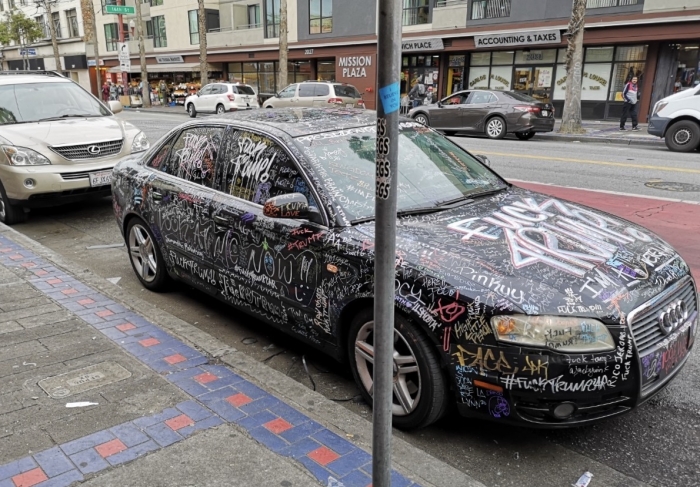
■ Collaboration with Yuki Matsuzaki of "Rooster King&Co."
D: Did you meet Matsuzaki in San Francisco?
Kawakami: No, it was in LA. Matsuda introduced me to him. After that, every time I went to LA, I would visit him, and we became friends.
D: Was Matsuzaki's house in LA amazing?
Kawakami: Matsuzaki's house was really amazing. At that time, Matsuzaki was running a brand called "SMELLS LIKE," making all handmade T-shirts printed with his own drawings and collages. That was really cool. The drawings Matsuzaki made were incredibly cool. When you go to his studio, you see his own drawings displayed. Moreover, he mostly taught himself, which is even more impressive.
D: Did the collaboration with Matsuzaki start from you?
Kawakami: Yes. I learned that Matsuzaki returned to Japan, and at the timing when I launched SEVEN BY SEVEN, I contacted him.
D: Please tell us about the collaboration item "GEOMETRIC DRAWSTRING BAG" with Rooster King&Co. that will be in the 2021SS lineup.
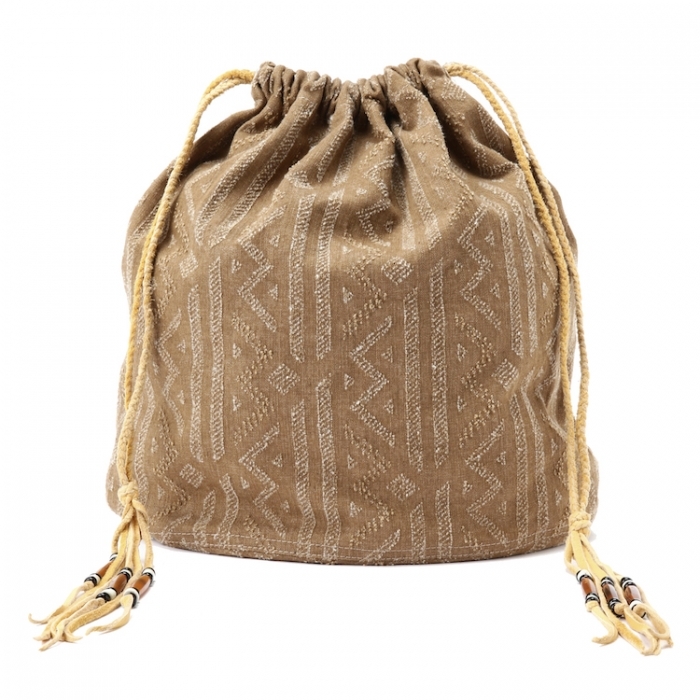
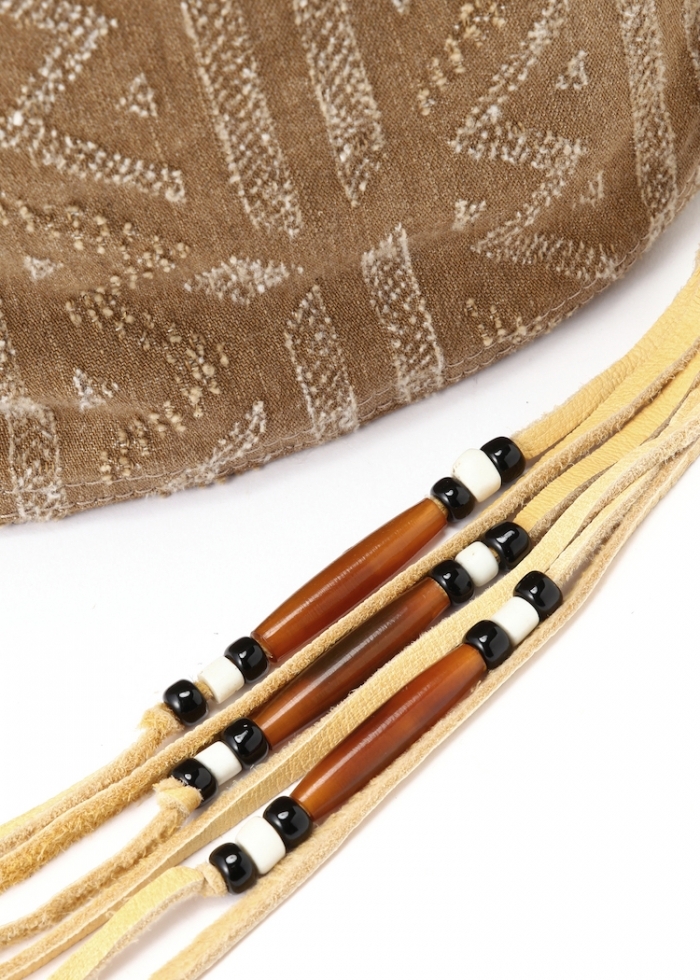
GEOMETRIC DRAWSTRING BAG / BROWN
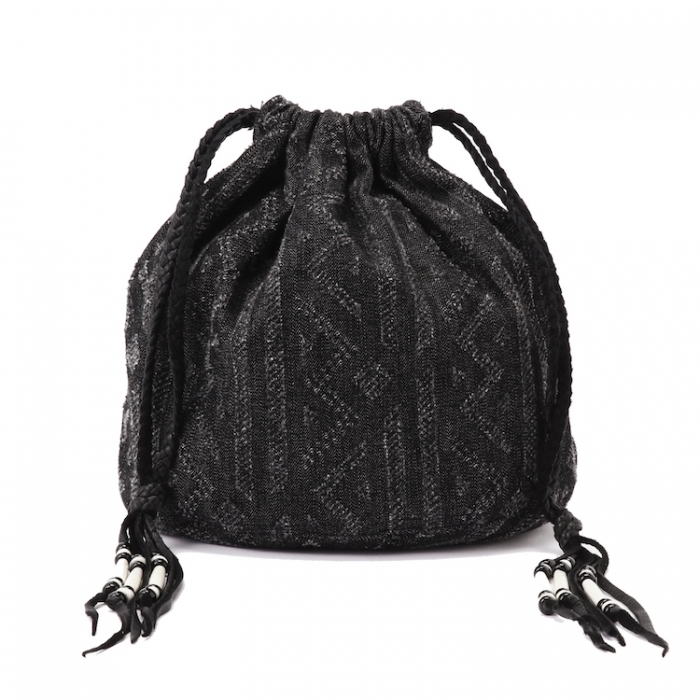
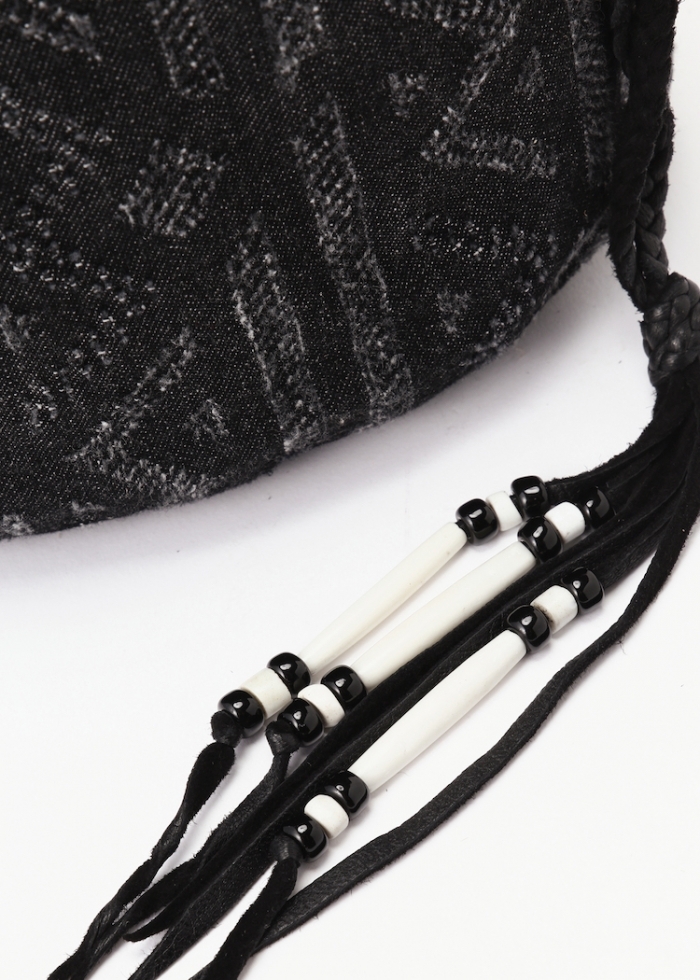
GEOMETRIC DRAWSTRING BAG / BLACK
Kawakami: I wanted to collaborate with Rooster King&Co. to showcase the uniqueness of their handcrafted items in SEVEN BY SEVEN. It's been a few seasons since we started collaborating, and this time we aimed to create items that could reach more people than ever before. It may be presumptuous, but I created it with the desire for more people to know about SEVEN BY SEVEN and Rooster King&Co. I feel we were able to create something with a really good balance, including the price. Matsuzaki has been pushing himself hard in production. It's a joke, but Matsuzaki sent me a LINE saying, "My hands are peeling, so pay for my treatment (laughs)."
D: Matsuzaki literally worked hard to the point of hurting himself.
Kawakami: Yes, it's been very well received, and the production numbers are impressive. I'm very happy about it!
D: Did you request that shape?
Kawakami: Yes. I didn't go into detail, but when making the drawstring bag using the original fabric, I asked Matsuzaki to brush up on the parts that were lacking. The use of vintage beads and the hand-woven leather handles made by hand are all incredible. Matsuzaki is really impressive.
D: The feeling that you can communicate without saying much might be because you both spent the same time in America?
Kawakami: I think so! I believe so! I want to think so! (laughs)
D: That's right (laughs).
Kawakami: But Matsuzaki is really flat, right? His personality is like that, but his work has a strong core and style, and during collaborations, he thinks a lot about the brand and balances it out. He's an amazing person, right? You think so too, right?
D: I do. He talks to us equally without any barriers, and I think he's a really wonderful person.
Kawakami: You can understand why he collaborates with renowned senior designers. It's amazing.
■ About the "SEVEN BY SEVEN" 2020FW Collection
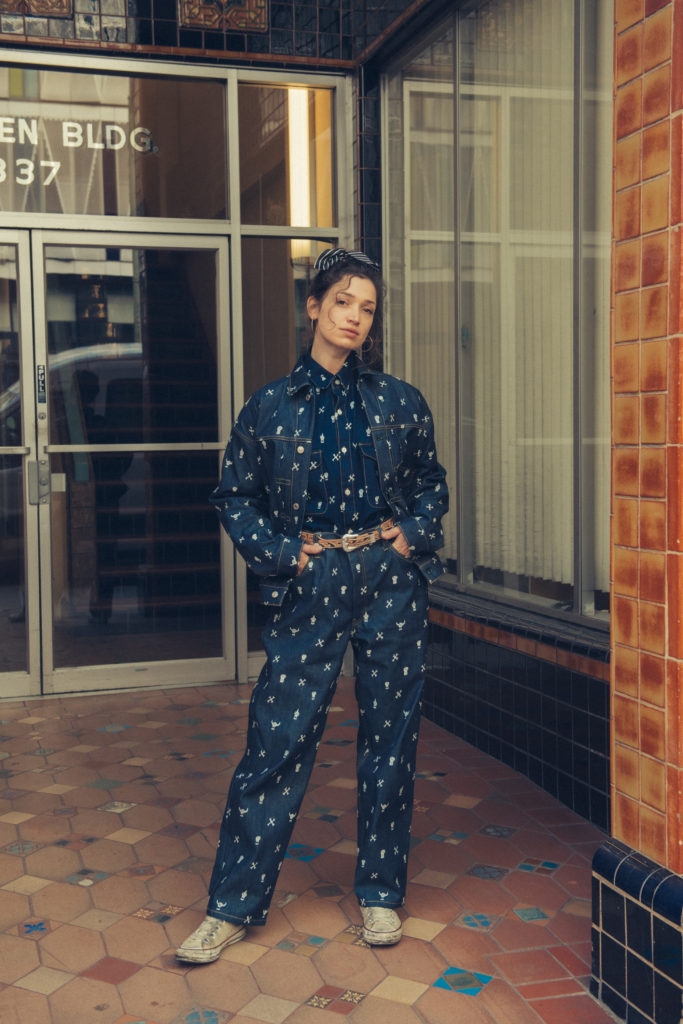
D: One interesting content of the 20FW collection was the collaboration with artist Masakatsu Shimoda. Please tell us about your impression of Shimoda.
Kawakami: He is a true artist. I apologize for saying this, but his childlike purity is attractive, and something about his works combines kindness and pop, reflecting his personality. It's really wonderful. Shimoda has also wandered abroad, and I think there are some parts that resonate with me.
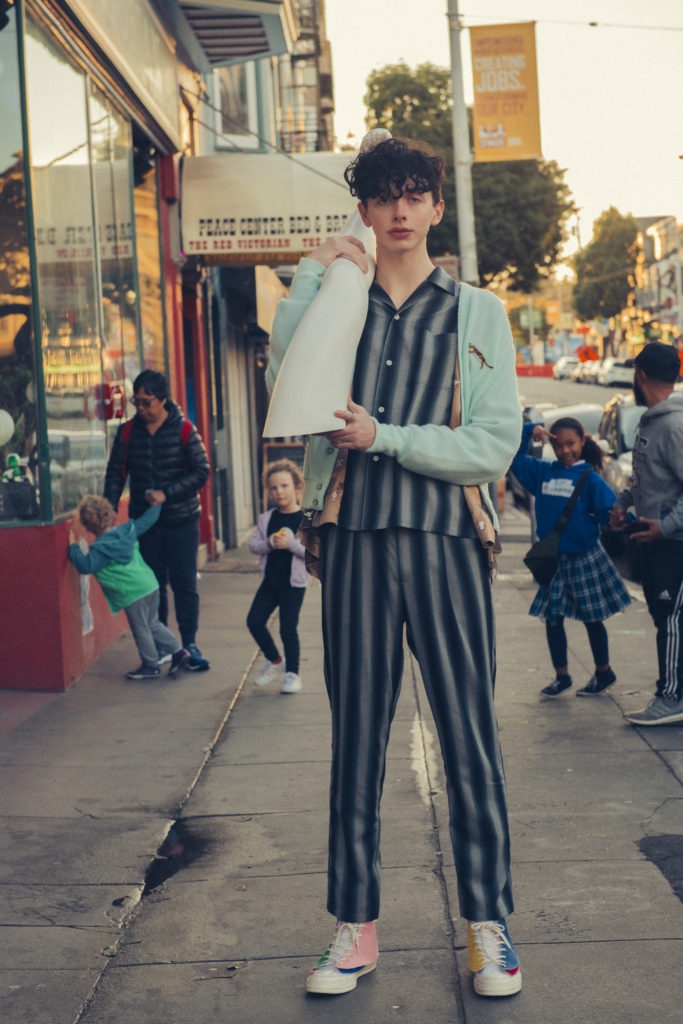
D: I heard that this look was shot in San Francisco, the brand's roots. It was a really cool look; how did the shooting progress?
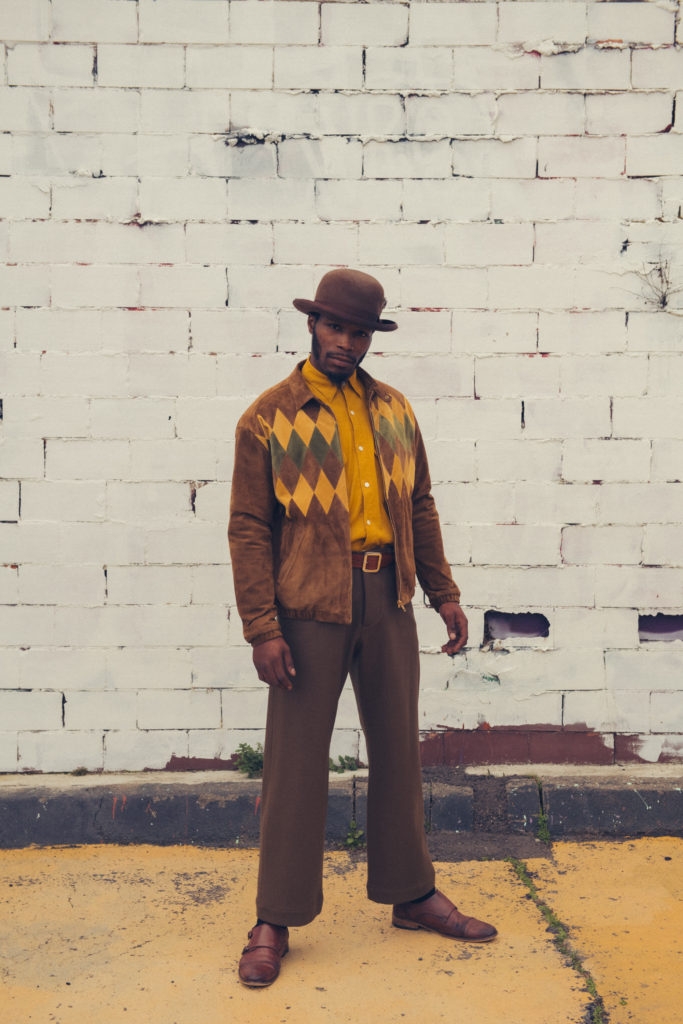
Kawakami: I had somewhat decided on the styling in advance, but since we were going to street hunt for models, I honestly didn't know how it would turn out, so we made decisions based on the situation at the time. Originally, I was supposed to have the model wear sneakers that were a collaboration with Shimoda, but coincidentally, the model was wearing sneakers with a similar color scheme to the styling we were putting together, so we changed it to, "This shoe looks interesting, let's use this," and we made changes based on the situation. That kind of unexpectedness was interesting. When we dressed the model in items he was wearing, it was strangely interesting how other items suddenly became real. Also, even when I suddenly asked for a shoot, they posed in their own style and looked great. That was also interesting. They weren't professionals, but they posed like professional models instantly.
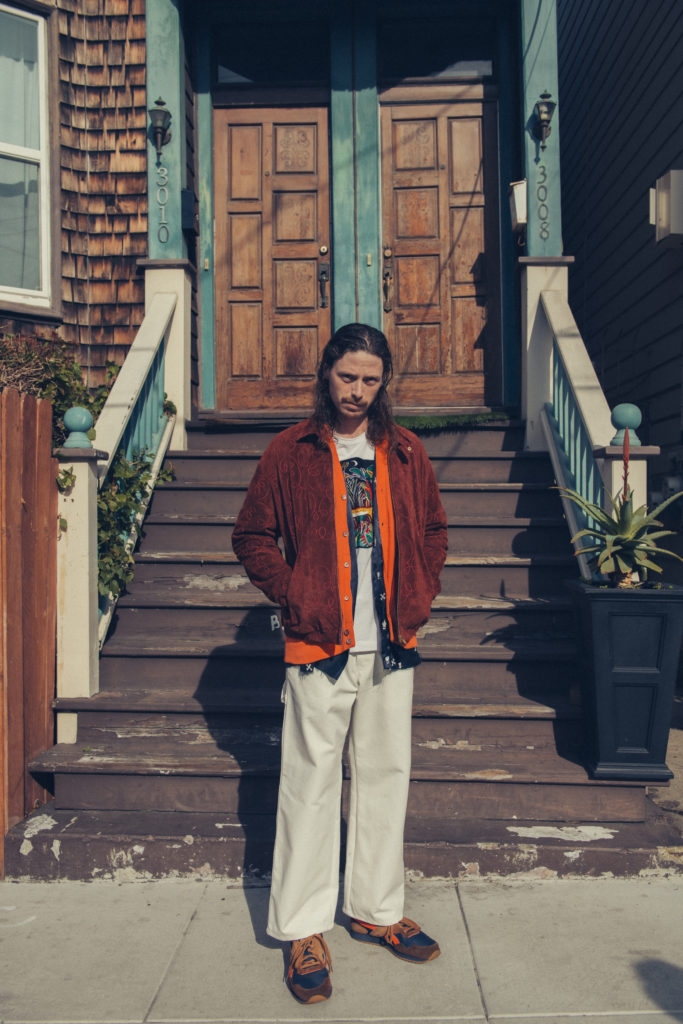
D: The models weren't professionals?
Kawakami: No, they were local friends, vintage shop staff, and skaters who were skating around. There were various people. Some of them were musicians who have won Grammy Awards twice (laughs).
D: Did you scout them on the spot?
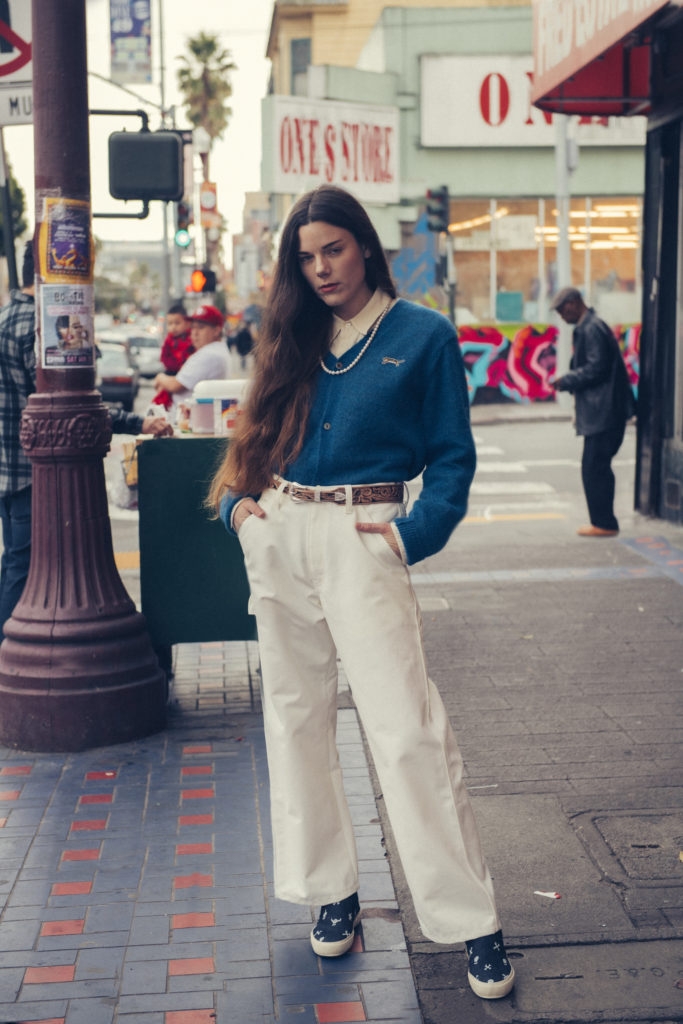
Kawakami: Yes, I approached them on the spot. For example, there was a black girl wearing a coat. She is a friend of mine who works at an antique shop. She is always very stylish, so I just had her wear the coat. Everything else, including her hairstyle and what she was wearing underneath the coat, was all her personal belongings. The high-tops she was wearing were also her personal belongings.
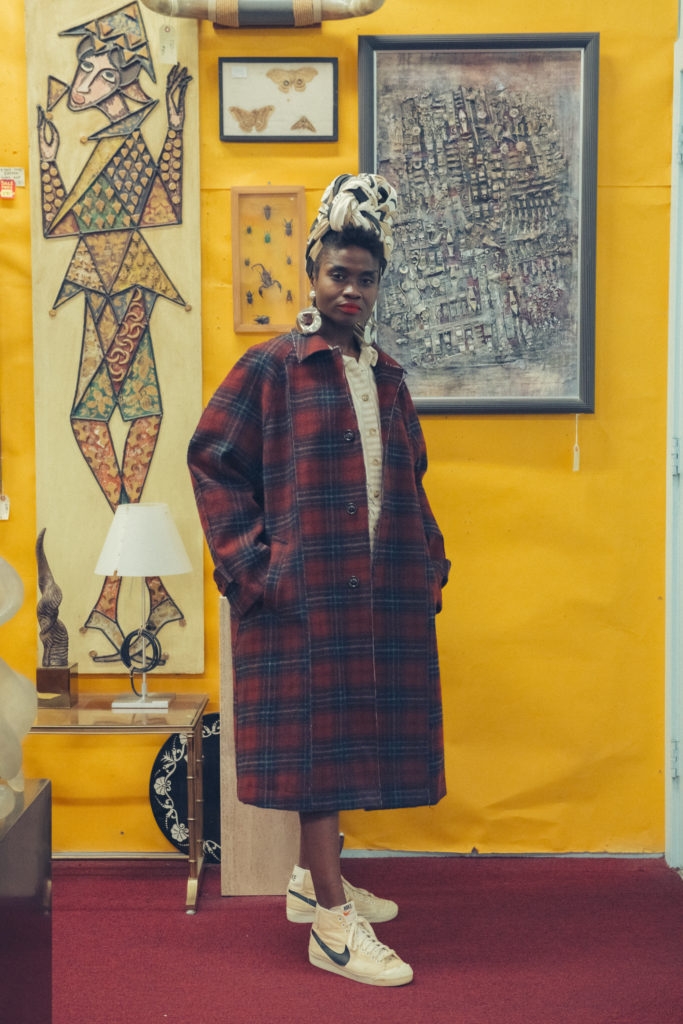
D: That looked great. It was also nice that everything was coordinated with the needle punch series.
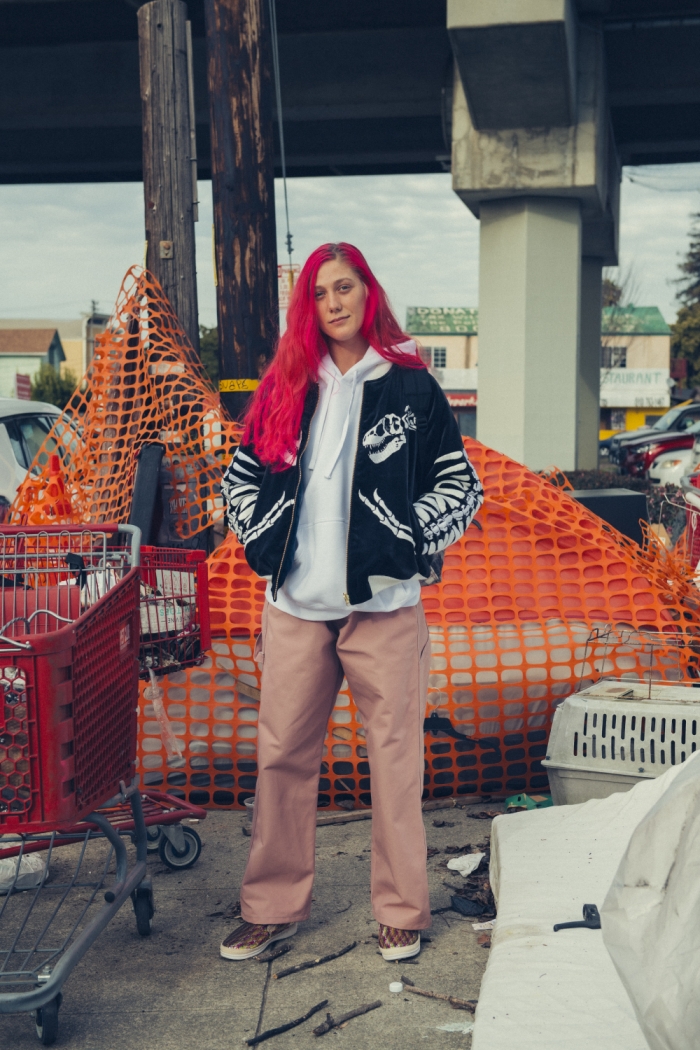
Kawakami: Thank you. That was the very first shoot. He was a staff member from a vintage shop I often went to. Another interesting person was the girl with pink hair. She is a school teacher.
D: Was the styling inspiration from San Francisco?
Kawakami: Once we decided to shoot in San Francisco, I might have naturally been conscious of it. It might be the same for the designs we create, not just the styling. By the way, this street snap has been very well received.
D: Right? Will this series continue as a staple in the future?
Kawakami: I would like to try a different shooting style again. Right now, it's still difficult to go abroad due to the pandemic.
D: The needle punch fabric used throughout this collection is something I've never seen before. How is such fabric made?
Kawakami: I visited various fabric shops, looked at past archives, and received technical proposals, and through that process, I created the original fabric by connecting the dots. So while I draw inspiration from vintage items, I might actually spend more time meeting people and gathering information from fabric shops before creating something.
D: What do you find appealing about needle punch fabric?
Kawakami: The original fabric becomes unrecognizable at first glance. Also, depending on the fabric you combine, needle punching can create unexpected effects. It's a strange fabric that is denim but has a check pattern and is brushed. Additionally, as it ages, the color of the denim fades or peels, which I think is cool and interesting to imagine.
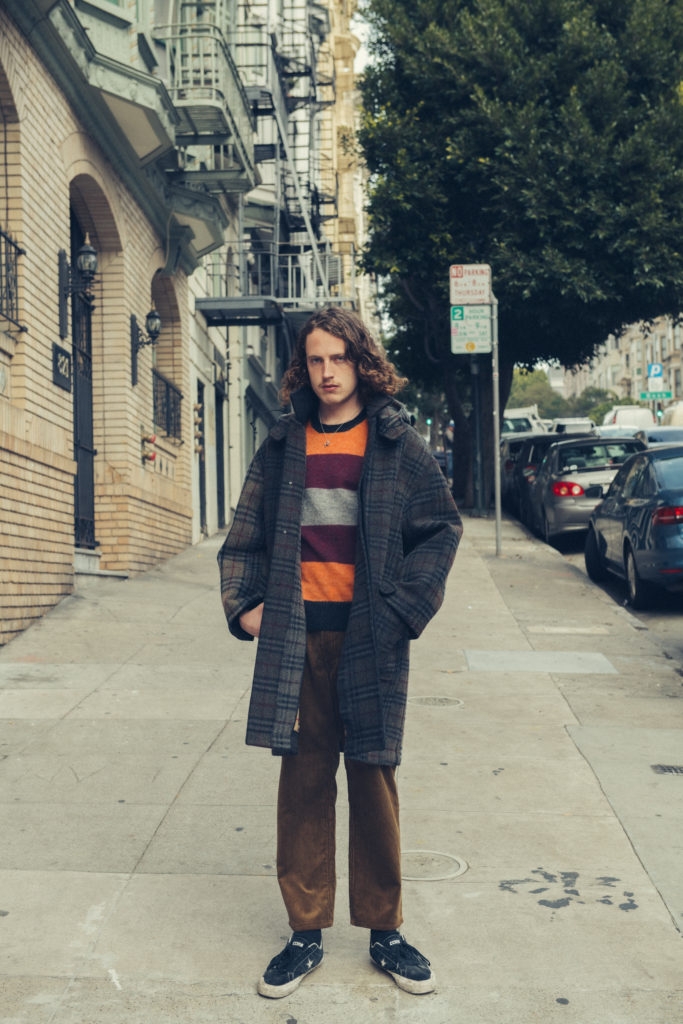
D: There is also a needle punch coat made from a famous brand's check scarf, but that fabric is also very rare, right?
Kawakami: Yes, it's rare. That is made from cutting up a used scarf. To break the original pattern of the check, I cut it and intentionally shifted the check pattern while needle punching to create a fabric where no two pieces are the same. It is a product that was made with a lot of time and effort invested in materials.
D: What about the random check needle punch fabric used in open-collar shirts and gown coats?
Kawakami: It combines classic wool check patterns and transforms them into an original fabric through needle punching, creating something that is not the same as any other. It's really interesting how a check pattern that seems common can be transformed into something unique through needle punching. While you could create something original from scratch, it's also satisfying to change something that already exists into a different form to create something original. It may not be exactly sustainable, but I think it's interesting to transform things that are left over and seem to be everywhere into something new.
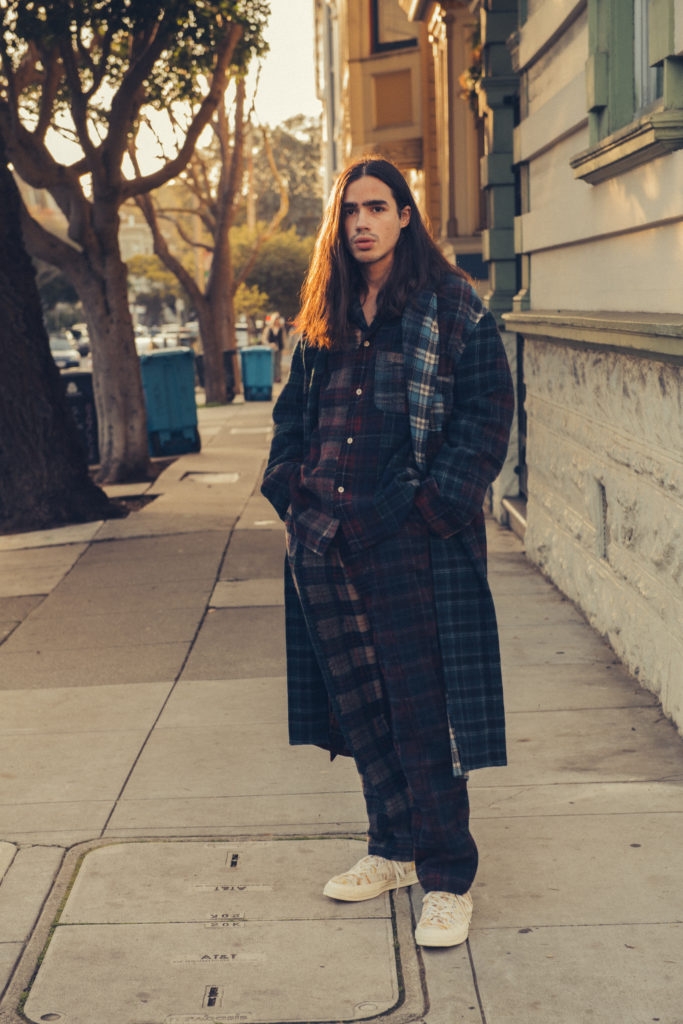
D: Indeed, SEVEN BY SEVEN has the image of reconstructing existing items to create something entirely new.
Kawakami: I originally started with collecting vintage clothes, but there are times when items that don't get the spotlight in their era suddenly fit perfectly in a different era. I think it's better for me to pursue that kind of interestingness. Rather than over-designing, I want to capture the points that feel natural and arrange them in a way that is uniquely SEVEN BY SEVEN.
D: I see. Your experiences in San Francisco connect to your current designs in that way.
Kawakami: Yes.
D: What you have seen and thought was a bit stimulating, but I really resonated with it. I look forward to the world view expressed by SEVEN BY SEVEN in the future. We will also do our best to convey it to as many people as possible. Thank you very much for today.
Kawakami: Thank you very much.
Click here for details on Rooster King&Co. X SEVEN BY SEVEN.
Click here for the interview with Rooster King&Co. / Matsuzaki.
Click here for the product page of the NEEDLE PUNCH COLLECTION.
Text/Edit: Yoshiki Fuji.
Dice&Dice (hereafter D): Please tell us about the differences you felt between Japan and San Francisco when you lived there, for example, regarding the fashion trends at that time.
Junya Kawakami (hereafter Kawakami): I went there in the late 90s, and I felt that there wasn't really a fashion trend like in Japan. I didn't feel like there was anything that was particularly in style, like in Japan. What I found was more about culture than fashion. There were skaters and messengers, and it was more about styles related to those cultures. There might have been trends within that, but there wasn't a clear vintage boom or underground fashion scene like in Japan at that time.
D: Of course, there were clothing stores, right?
Kawakami: Yes, there were. There were new select shops, but I mostly went to vintage shops. At that time, I didn't have the money to buy new clothes (laughs).
D: Were there interesting people gathering at the vintage shops in San Francisco back then?
Kawakami: There were many people proposing their own styles, which was interesting. There were some very eccentric individuals, as well as some really cool ones. It was a very stimulating place.
D: By the way, what kind of items were in the new shops at that time?
Kawakami: What did they have? Well, there were classic American brands and local brands, among other things. Around the year 2000, there was a neighborhood called Castro, which was known for its gay community, and there were various trendy designer brands like Margiela and Helmut Lang. I was living in a way that I couldn't afford to buy anything, so I just went to look. But those items would later appear as vintage in the shops, so I would buy them then.
D: So, collecting vintage clothing every day eventually led to your work, right?
Kawakami: Yes. At first, I didn't think of it as a business. It just happened that my hobby turned into work.
D: What was your life like back then?
Kawakami: I was sharing an apartment with friends, and I was buying vintage clothes and collecting them in the room. The clothes were folded and stacked against the walls. I was sleeping in that room. From that time, I wasn't buying vintage clothes based on trends or values, and I wasn't taught by anyone; I was buying based on my own sense. There weren't many people to teach me (laughs). I had a few suppliers, and I would buy various items and say, "I got this today," enjoying it at night. I bought a lot of really strange things back then (laughs).
D: You were selling the vintage clothes you collected to someone else, right?
Kawakami: No. At first, I was just collecting for myself.
D: You were just collecting for yourself? That's impressive.
Kawakami: That's true. And I had a huge amount. Just a complete weirdo (laughs).
Everyone: (laughs)
Kawakami: I never thought that would turn into a business. One day, I decided to return to Japan after a long time and thought I would go look for clothes, so I returned to Tokyo. At that time, it was around the end of the 90s or 2000, and Japan was experiencing a new vintage boom. During that time, I found "go-getter" really interesting. It was originally where designer Obana was, but I happened to think it looked interesting and went in, where I met Matsuda. Matsuda is a person who was a top figure with Obana at go-getter. He is now back in Iwate running a brand and shop. I met him for the first time, and we hit it off, spending 1-2 hours in the store. I bought quite a few clothes there, and I thought the taste of vintage clothing I was picking was very similar to what he was doing. Many people have the mindset that vintage items are valuable because they are vintage, but I found Matsuda and Obana were proposing vintage clothing based on style, which was very fresh. They weren't saying that vintage is valuable just because it's vintage. Matsuda said to me, "Come to San Francisco to buy. I have a lot of good vintage clothes in my room." After that, when I returned to America and was helping a friend's dealer set up at Rose Bowl in LA, I happened to run into Matsuda, who was there buying, and we exclaimed, "What are you doing!" Then Matsuda suddenly asked, "Can I come to your house?" The next day, he really came to my house in San Francisco, and when he saw the huge amount of vintage clothes I had, he was like, "Who is this guy?" He really liked the vintage clothes I had picked out and bought a lot of them. After Matsuda left, most of the clothes that were piled up like a wall were gone.
D: So he bought almost everything?
Kawakami: Yes, he bought almost everything. After that, Matsuda started coming to San Francisco regularly to buy, staying for 3-4 days, buying the vintage clothes I selected, and we would go around buying together and helping each other.
D: He liked your picking sense, right?
Kawakami: Yes. So, I would ask, "What should I collect next?" but he would say, "Just collect what you like; it's fine with me."
D: Were you collecting not just clothes but also miscellaneous goods at that time?
Kawakami: I started collecting miscellaneous goods gradually. Through Matsuda, I met various dealers and went to the homes of Japanese seniors living in America and foreign friends, and their rooms were just so cool. Their lifestyle was all integrated into their daily lives in a way that didn't feel forced, and it was really wonderful. It wasn't about value or whether something was famous or not; it was about incorporating what you truly love into your life and making it your own. It was very fresh and beautiful.
D: Specifically, what was it like?
Kawakami: For example, a "CHEMEX" coffee maker. It's a very simple and analog coffee maker, but they were using vintage items with real value in their daily lives, like drinking from a famous vintage cup from San Francisco called "HEATH CHRAMICS." I was inspired by the authenticity of how they incorporated these items into their daily lives. It became a natural part of their lives, not just an aspiration. It was really cool. Seeing and feeling that kind of environment up close changed my values. My perception of clothing changed in the same way.
D: Did you live in downtown?
Kawakami: Yes, near downtown. It was quite a dangerous area.
D: Do you have any stories about how dangerous it was?
Kawakami: It was dangerous every day (laughs). The place I was buying from was called a donation center, where recycled items from all over the U.S. gathered, and I was one of the few Japanese people there. I think if everyone went there, they would be quite shocked by the environment.
Everyone: (laughs)
Kawakami: With the location and the atmosphere of the building, I don't think a normal person would want to go in. When you enter, there are really only homeless people and some bizarre characters (laughs). So there were fights almost every day, over things. At first, I was quite taken aback (laughs).
D: Everyone is there to shop, right?
Kawakami: Everyone was there to make a living. I was the only one there for fun. Most of the people were there because their lives depended on finding good items. There was also a white dealer who was like the boss, who would have everyone look for specific items to buy up. Most of that dealer's customers were Japanese vintage shop owners, who would buy popular items in Japan like Levi's 501 or Patagonia.
D: I see, so everyone was controlled by that dealer.
Kawakami: Yes, exactly. How many of the items that dealer wanted to find would determine their income. Since their lives depended on it, everyone went crazy looking for Levi's 501 or Patagonia. They were taught that it would make money. So there were frequent fights over clothes. In the midst of that, I was discovering new values while searching for vintage clothes at my own pace.
D: Were you selling clothes too?
Kawakami: Yes. I mostly sold to a small number of Japanese vintage shop owners I became acquainted with, but when I wanted some quick cash, I would sell to that American dealer. There were also local vintage shops that would buy from me, and I would go sell to earn some quick money.
D: If you found something good, would they buy it at a high price?
Kawakami: Yes, exactly. So if I found something good, it would level up my dinner that night. I lived like that every day (laughs). Some days I would just have fried rice, and other days I would have fried rice with side dishes and beer, like switching from Budweiser to Heineken (laughs).
D: How long did that lifestyle last?
Kawakami: About 2-3 years. It was a great memory. Because of that time, I was able to connect to SEVEN BY SEVEN. Everything about how I see things and think. If I had stayed in Japan, I wouldn't have become who I am now.
D: In the photos you sent from San Francisco, there was a person without shoes.
Kawakami: Oh, that's Eric. He is my mentor (laughs).
D: Is that a normal sight in San Francisco?
Kawakami: At that time, I don't know if it was a surprise or what, but he wasn't wearing shoes (laughs). I wanted to see clothes, so I went into a vintage shop alone. The other filming staff were outside smoking and waiting. It was already dark outside, and the weather was bad, and since I was taking them to strange places, everyone was anxious. Then, I heard someone in the back going crazy. I noticed it, but I thought it was just a usual occurrence, so I ignored it. After I finished looking around the store and went outside, that person was loudly calling my name, and it was Eric (laughs). With that appearance, he was calling my name loudly several times, so everyone was taken aback (laughs). The moment I came out, I said, "Oh! Eric, long time no see!" and shook hands, and everyone was even more shocked (laughs).
D: How did you become friends with local people like that?
Kawakami: Hmm. I guess it's because I'm a good guy (laughs). I treated Eric with respect. I really respected his sense of style.
D: Who is Eric?
Kawakami: A real hippie, I guess. He doesn't have front teeth (laughs).
D: What did you learn from your mentor?
Kawakami: It's not so much that he taught me, but he showed me through his actions (laughs). I bought a lot of products from him.
Everyone: (laughs)
Kawakami: Of course, he didn't teach me anything. He probably didn't even know why he picked certain items (laughs). It was more about observing and learning by buying. He really has great taste. Japanese vintage shop owners are strong on criteria like, "This detail is like this, so it's expensive because it's from this era." But Eric isn't like that. While everyone is searching for items in the same environment and timing, Eric finds amazing things from what everyone else has picked over. He finds incredible vintage items that are strange but really cool. Even though everyone is in the same environment, he is the only one who can find them. While we are all frantically digging through the newly arrived items, Eric is calmly rummaging through the clothes that have fallen. Later, when I would say, "Eric, show me a bit," he would have amazing items. They weren't vintage or things that are valuable in Japan, but Eric's selection sense was very much in line with current fashion. I was able to broaden my perspective by seeing that kind of thing up close every day.
D: Why do you think Eric had such good taste?
Kawakami: I wonder. Maybe he sees a different world because of drugs (laughs).
D: Is Eric an artist or a poet?
Kawakami: From what I saw, he was different from that. Well, in a sense, he was like a dead person.
Everyone: (laughs)
D: In the photos, you also went to places that looked like flea markets. Did you also buy from those places back then?
Kawakami: Yes, I went there often.
D: I saw an old friend there too.
Kawakami: He is a person who fled from Europe to America. I forgot his name. There were many people with various circumstances at the buying places, like Mexicans who brought their families and babies to pick vintage clothes, and they were in groups of 5-6. They were the largest and most powerful group.
D: That's amazing. America.
Kawakami: It's amazing. Super multinational.
D: Living in Japan, I think of fleeing as a story from a distant world.
Kawakami: That's right. There were many others with various circumstances too. Everyone was desperate. Even though they were in America, they were aware of the situations in various countries, which was a rare experience. It felt like watching a non-fiction TV show every day (laughs).
D: Did you ever feel disliked? There were probably not many Japanese people.
Kawakami: I wonder. But for them, my presence would mean one more rival, so they might have disliked me to some extent. I didn't like it either. When a newcomer comes, I think, "Oh, that's annoying." They probably felt the same way. But I taught them about vintage knowledge and what Japanese buyers were looking for, so I think I was relatively liked by everyone.
■ Collaboration with Yuki Matsuzaki of "Rooster King&Co."
D: Did you meet Matsuzaki in San Francisco?
Kawakami: No, it was in LA. Matsuda introduced me to him. After that, every time I went to LA, I would visit him, and we became friends.
D: Was Matsuzaki's house in LA amazing?
Kawakami: Matsuzaki's house was really amazing. At that time, Matsuzaki was running a brand called "SMELLS LIKE," making all handmade T-shirts printed with his own drawings and collages. That was really cool. The drawings Matsuzaki made were incredibly cool. When you go to his studio, you see his own drawings displayed. Moreover, he mostly taught himself, which is even more impressive.
D: Did the collaboration with Matsuzaki start from you?
Kawakami: Yes. I learned that Matsuzaki returned to Japan, and at the timing when I launched SEVEN BY SEVEN, I contacted him.
D: Please tell us about the collaboration item "GEOMETRIC DRAWSTRING BAG" with Rooster King&Co. that will be in the 2021SS lineup.
GEOMETRIC DRAWSTRING BAG / BROWN
GEOMETRIC DRAWSTRING BAG / BLACK
Kawakami: I wanted to collaborate with Rooster King&Co. to showcase the uniqueness of their handcrafted items in SEVEN BY SEVEN. It's been a few seasons since we started collaborating, and this time we aimed to create items that could reach more people than ever before. It may be presumptuous, but I created it with the desire for more people to know about SEVEN BY SEVEN and Rooster King&Co. I feel we were able to create something with a really good balance, including the price. Matsuzaki has been pushing himself hard in production. It's a joke, but Matsuzaki sent me a LINE saying, "My hands are peeling, so pay for my treatment (laughs)."
D: Matsuzaki literally worked hard to the point of hurting himself.
Kawakami: Yes, it's been very well received, and the production numbers are impressive. I'm very happy about it!
D: Did you request that shape?
Kawakami: Yes. I didn't go into detail, but when making the drawstring bag using the original fabric, I asked Matsuzaki to brush up on the parts that were lacking. The use of vintage beads and the hand-woven leather handles made by hand are all incredible. Matsuzaki is really impressive.
D: The feeling that you can communicate without saying much might be because you both spent the same time in America?
Kawakami: I think so! I believe so! I want to think so! (laughs)
D: That's right (laughs).
Kawakami: But Matsuzaki is really flat, right? His personality is like that, but his work has a strong core and style, and during collaborations, he thinks a lot about the brand and balances it out. He's an amazing person, right? You think so too, right?
D: I do. He talks to us equally without any barriers, and I think he's a really wonderful person.
Kawakami: You can understand why he collaborates with renowned senior designers. It's amazing.
■ About the "SEVEN BY SEVEN" 2020FW Collection
D: One interesting content of the 20FW collection was the collaboration with artist Masakatsu Shimoda. Please tell us about your impression of Shimoda.
Kawakami: He is a true artist. I apologize for saying this, but his childlike purity is attractive, and something about his works combines kindness and pop, reflecting his personality. It's really wonderful. Shimoda has also wandered abroad, and I think there are some parts that resonate with me.
D: I heard that this look was shot in San Francisco, the brand's roots. It was a really cool look; how did the shooting progress?
Kawakami: I had somewhat decided on the styling in advance, but since we were going to street hunt for models, I honestly didn't know how it would turn out, so we made decisions based on the situation at the time. Originally, I was supposed to have the model wear sneakers that were a collaboration with Shimoda, but coincidentally, the model was wearing sneakers with a similar color scheme to the styling we were putting together, so we changed it to, "This shoe looks interesting, let's use this," and we made changes based on the situation. That kind of unexpectedness was interesting. When we dressed the model in items he was wearing, it was strangely interesting how other items suddenly became real. Also, even when I suddenly asked for a shoot, they posed in their own style and looked great. That was also interesting. They weren't professionals, but they posed like professional models instantly.
D: The models weren't professionals?
Kawakami: No, they were local friends, vintage shop staff, and skaters who were skating around. There were various people. Some of them were musicians who have won Grammy Awards twice (laughs).
D: Did you scout them on the spot?
Kawakami: Yes, I approached them on the spot. For example, there was a black girl wearing a coat. She is a friend of mine who works at an antique shop. She is always very stylish, so I just had her wear the coat. Everything else, including her hairstyle and what she was wearing underneath the coat, was all her personal belongings. The high-tops she was wearing were also her personal belongings.
D: That looked great. It was also nice that everything was coordinated with the needle punch series.
Kawakami: Thank you. That was the very first shoot. He was a staff member from a vintage shop I often went to. Another interesting person was the girl with pink hair. She is a school teacher.
D: Was the styling inspiration from San Francisco?
Kawakami: Once we decided to shoot in San Francisco, I might have naturally been conscious of it. It might be the same for the designs we create, not just the styling. By the way, this street snap has been very well received.
D: Right? Will this series continue as a staple in the future?
Kawakami: I would like to try a different shooting style again. Right now, it's still difficult to go abroad due to the pandemic.
D: The needle punch fabric used throughout this collection is something I've never seen before. How is such fabric made?
Kawakami: I visited various fabric shops, looked at past archives, and received technical proposals, and through that process, I created the original fabric by connecting the dots. So while I draw inspiration from vintage items, I might actually spend more time meeting people and gathering information from fabric shops before creating something.
D: What do you find appealing about needle punch fabric?
Kawakami: The original fabric becomes unrecognizable at first glance. Also, depending on the fabric you combine, needle punching can create unexpected effects. It's a strange fabric that is denim but has a check pattern and is brushed. Additionally, as it ages, the color of the denim fades or peels, which I think is cool and interesting to imagine.
D: There is also a needle punch coat made from a famous brand's check scarf, but that fabric is also very rare, right?
Kawakami: Yes, it's rare. That is made from cutting up a used scarf. To break the original pattern of the check, I cut it and intentionally shifted the check pattern while needle punching to create a fabric where no two pieces are the same. It is a product that was made with a lot of time and effort invested in materials.
D: What about the random check needle punch fabric used in open-collar shirts and gown coats?
Kawakami: It combines classic wool check patterns and transforms them into an original fabric through needle punching, creating something that is not the same as any other. It's really interesting how a check pattern that seems common can be transformed into something unique through needle punching. While you could create something original from scratch, it's also satisfying to change something that already exists into a different form to create something original. It may not be exactly sustainable, but I think it's interesting to transform things that are left over and seem to be everywhere into something new.
D: Indeed, SEVEN BY SEVEN has the image of reconstructing existing items to create something entirely new.
Kawakami: I originally started with collecting vintage clothes, but there are times when items that don't get the spotlight in their era suddenly fit perfectly in a different era. I think it's better for me to pursue that kind of interestingness. Rather than over-designing, I want to capture the points that feel natural and arrange them in a way that is uniquely SEVEN BY SEVEN.
D: I see. Your experiences in San Francisco connect to your current designs in that way.
Kawakami: Yes.
D: What you have seen and thought was a bit stimulating, but I really resonated with it. I look forward to the world view expressed by SEVEN BY SEVEN in the future. We will also do our best to convey it to as many people as possible. Thank you very much for today.
Kawakami: Thank you very much.
Click here for details on Rooster King&Co. X SEVEN BY SEVEN.
Click here for the interview with Rooster King&Co. / Matsuzaki.
Click here for the product page of the NEEDLE PUNCH COLLECTION.
Text/Edit: Yoshiki Fuji.