

The designer of the New York-based brand OVERCOAT, Ryuhei Daimaru, hails from Fukuoka. For this reason, Dice&Dice has always felt a kind of familial connection to Daimaru, as if he were a relative or an older brother in New York. Although it has been difficult to meet 'big brother' due to the pandemic, this time, under the direction of director Yuichi Yoshida, Fukuoka and New York were connected online. Akiko Ichikawa, who supports buying in New York, served as the moderator for a digital roundtable discussion with Daimaru. We will deliver valuable stories from his time in Fukuoka that have never been shared in the media, insights into the core of his creations, and behind-the-scenes tales of the Dice&Dice exclusive eco-bag production in two parts: Part 1 and Part 2.
Part 1 is here
Yuichi Yoshida (Y): Yes, it just arrived in the store.
A: The highlight this time is definitely the collaboration with Peter Miles, a world-renowned art director. To add a bit of context, Peter is known for his art direction for various top maisons, as well as for his work with clients like Sofia Coppola and photographer Juergen Teller, in addition to the OVERCOAT logo type. How did you meet Peter?
Ryuhei Daimaru (O): I had always admired Peter's designs in Juergen Teller's photo books and thought it would be great to meet him someday. Then I found out he was living in New York, and I was able to get his email address from a mutual acquaintance, so I reached out. I thought it would probably be impossible since he is such a prominent figure in the industry, but about a month later, I received a message asking, 'Can I come over now?' and suddenly Peter showed up at the office by himself.
A: By himself?
O: Yes, yes. I thought he would have a lot of entourage since he is a famous figure in the industry, but he came alone and spent about two hours genuinely listening to me.
A: Wow, two hours! You really hit it off.
O: Yes, and he said something like, 'Let's do something together.' I knew it wasn't something I could normally ask for, but from then on, we started to communicate more frequently. I've met many people, but he is one of the top three pure creators I've encountered. He keeps creating and is always searching for something new. I don't think there are many people like him in New York.
A: This is the first season you've collaborated on clothing, right?
O: Yes. Around May last year, when New York was in lockdown and we couldn't go to the office, Peter reached out and suggested, 'Shall we collaborate?'
A: Peter was worried about you too.
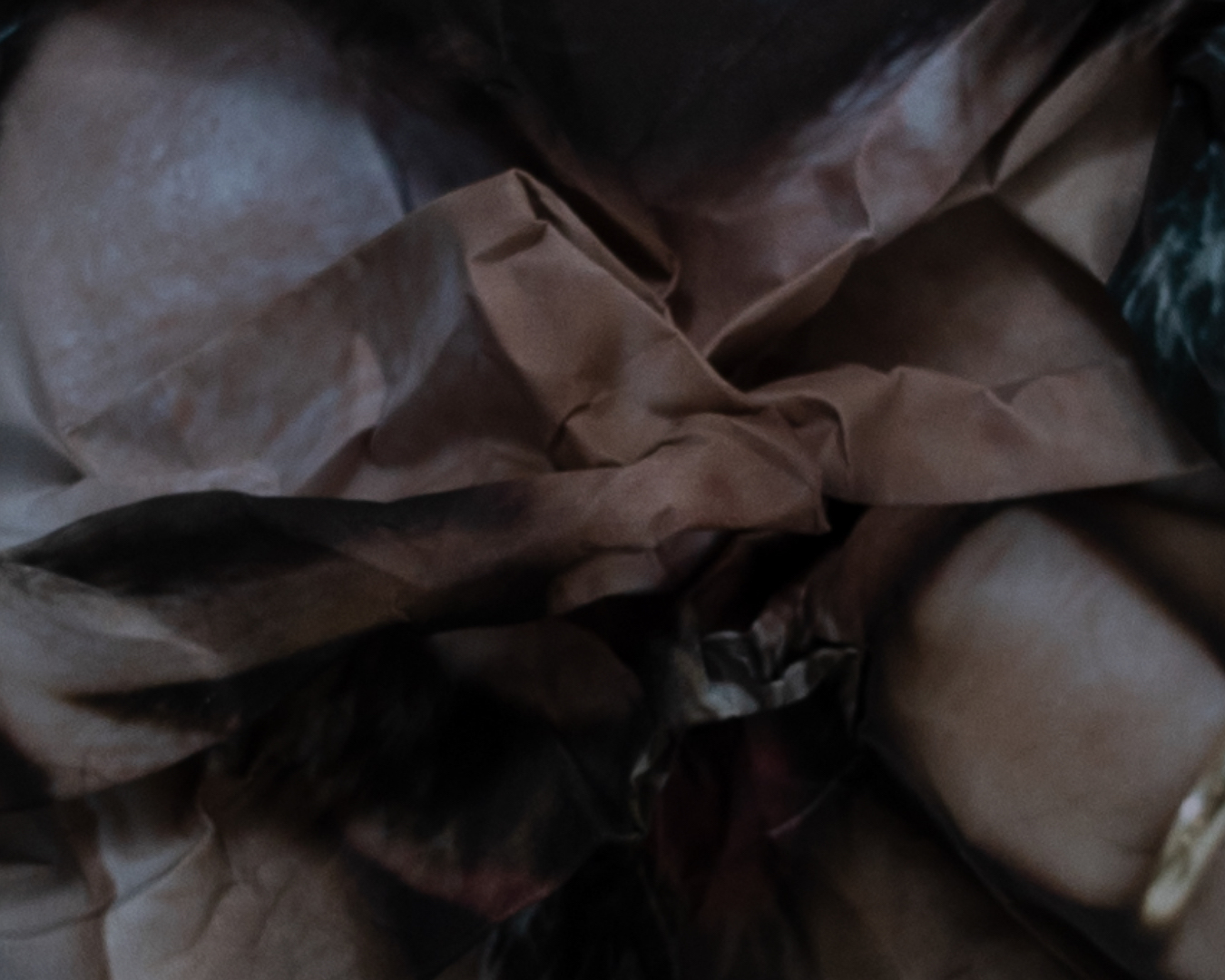
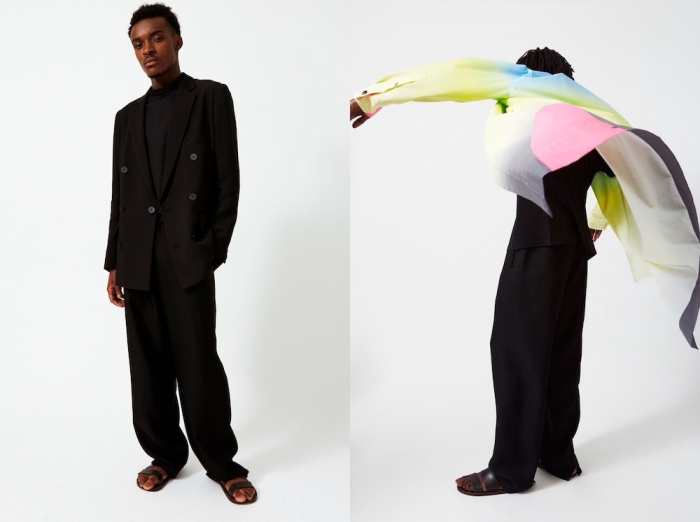
O: He said, 'If there's anything I can help with, just let me know.' So we decided to create printed fabric together. He sent about 100 artworks he created. They were all incredibly beautiful, and he said, 'If you don't like any of these, I have plenty more, so just let me know.' We then selected about three and incorporated them into the print patterns, using a technique called squeegee, similar to what contemporary artist Gerhard Richter does.
A: It's a technique where you put various colors of paint on paper and squeegee it, creating beautiful gradients.
O: In Japan, many people might not know Peter, but his works are beautiful and resonate with the senses. So even if people don't know who he is, they still want them. That's what makes him amazing.
A: How has the response been from Dice&Dice customers?
Y: It just arrived, so it's still early. In recent years, both the brand and Daimaru have become more mainstream, so many people are coming specifically for it. Additionally, by sharing the stories we've learned from Daimaru with our customers, we've seen an increase in repeat customers who have become fans. Our customers tend to be discerning individuals who truly love fashion and culture.
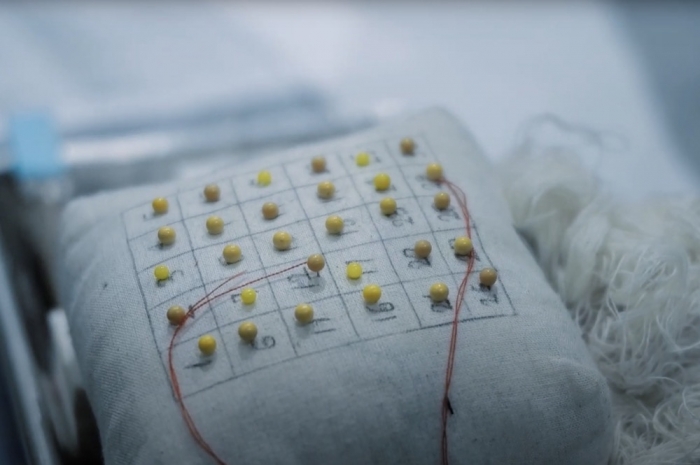
Y: We originally didn't create any original tote bags, and we would just hand over products in paper bags with the Dice logo to our customers. Recently, I started to wonder if that really had any meaning. In the past, it was a form of advertising when customers walked around with logo-printed paper bags, but now advertising methods have changed, and social media like INSTAGRAM and CLUBHOUSE have expanded in various ways. So I thought, is it worth spending money on something that will tear after a little use?
When I go on business trips to New York or LA, I see people using tote bags with their favorite store's logo with affection. Even when they dress stylishly for commuting, they might carry a bag from their favorite coffee shop.
A: Yes, in New York, you often see bags with logos from bookstores like STRAND or magazines like 'New Yorker.'
Y: Exactly. Also, Japanese people might often buy college-themed sweatshirts as souvenirs, and when they go to America, they proudly wear hoodies from their alma mater. I have always thought it was great that people use goods from places that have a story related to their identity with affection.
Given the current times, I wanted to create something more original rather than decaying disposable paper bags. Initially, I thought it would be nice to have a regular-shaped tote bag with a printed pattern from an artist, but then I wondered what it would be like if Daimaru made it. I thought it might be rude to ask him to make a bag, but it turned out he agreed to do it.
A: What kind of bag is it?
Y: I saw the first sample, and the shape is incredibly sculptural and cool. I thought, 'Oh, this is how Daimaru approached it.'
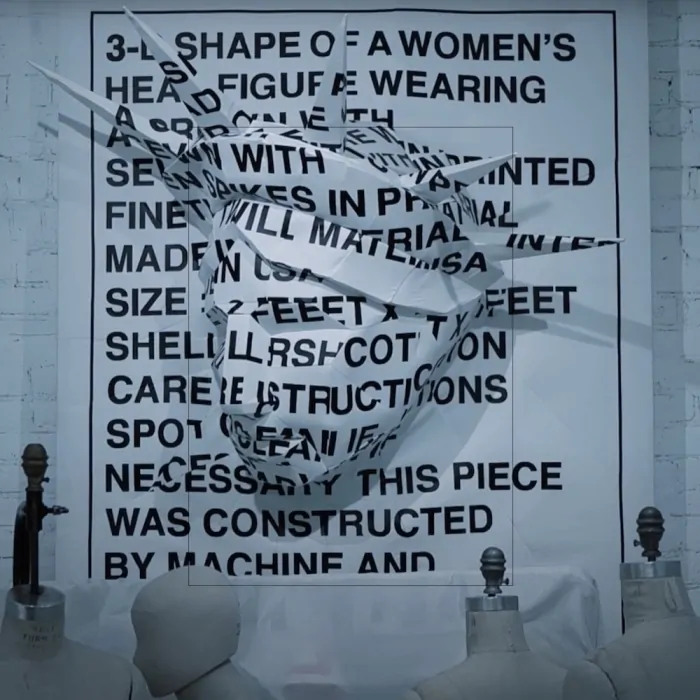
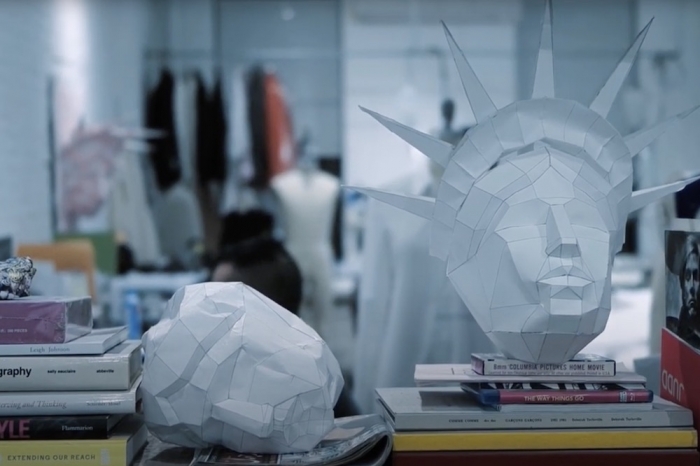
O: Actually, I have been very interested in the abstract form of that bag for a long time, and I have been thinking about it since I was about 16. I think what we are doing now is creating patterns and clothing based on the contemplation of what happens when flat fabric becomes three-dimensional. I wanted to create a bag that expresses that more clearly, ultimately a bag that resembles a three-dimensional object.
For example, if you have two pieces of fabric that are both exactly the same shape and size, whether they are circles or squares, when you sew them together, they become flat, right? But if those two pieces are different shapes, like a circle and a triangle, but the perimeters are the same length, you can forcibly sew them together, and the final shape will be three-dimensional. I used to make experimental fabric objects like that when I was in Fukuoka, and I have even made clothing from them, but I haven't done that kind of work in a while. So when I got the bag proposal from DICE, it flashed back to those times, and I thought I wanted to create an ultimate three-dimensional object again. Especially in a time like now, I feel we need something a bit avant-garde.
A: It's a turbulent time, isn't it?
O: Yes. I want to do something a bit aggressive. It's easy to fall into conservative thinking, but I believe the fun of creativity can be expressed especially in times like this.
Y: I held the first sample in front of the mirror with the staff, and I thought it was impressive that it looked great whether a man or a woman used it, just like Daimaru's coats. I plan to sell it with care.
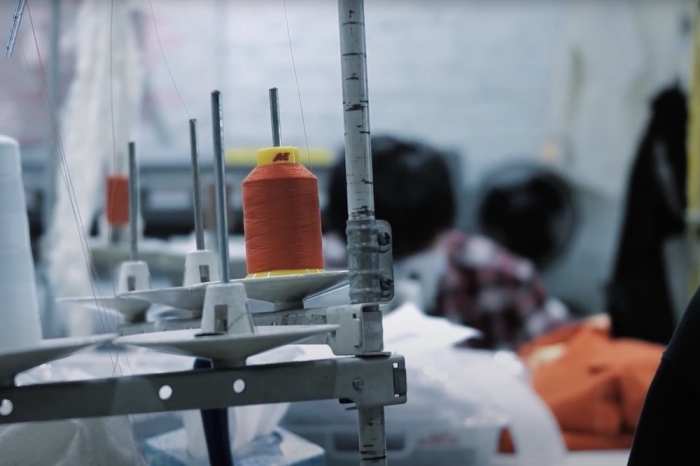
O: Last summer, when the second wave hit, we boldly tried a pop-up store in Tokyo. I thought there might be people who would say, 'Is this really the time to do that?' But we live off the fashion business, so if we don't make and sell clothes, we can't eat. So when people ask if fashion is non-essential, it puts us in a difficult position. Of course, we took maximum precautions against infection for the safety of our customers.
The event was in August, but it was around 38 degrees in the blazing sun, and it was a pre-order event for autumn/winter coats. So I casually thought it would be nice to just invite friends and acquaintances to catch up, but when it opened, the sales were incredible. Customers who came on the first day started bringing in other customers, and it created a chain reaction. At that moment, I realized that even in emergencies, there are many people looking for interesting things and something new, not just mass-produced fast fashion.
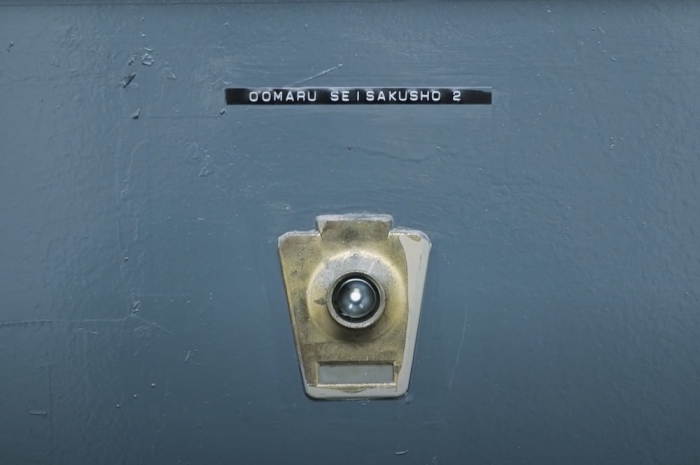
A: Yes, as I mentioned at the beginning of this roundtable, I was moved when I went with Yoshida to Oomaru Seisakusho 2 for the first buying appointment. The experience of receiving a direct explanation of the collection from designer Daimaru is usually something only buyers or press can do, but at the pop-up shop event, it was a rare opportunity for customers to meet Daimaru.
O: Yes, in the past, designers might have been a bit aloof and could control information, creating a somewhat mystical branding. But ultimately, everyone is just a normal human being. I have met nearly 1,000 people, including top designers, and they are all just normal (laughs). Some may be putting on an act.
So I want to be more pure, and since there's no point in hiding things, I want to go out as a designer and meet customers. I'm curious about who wears my clothes, and I want to value the strength and benefits of that kind of interaction.
A: With everything becoming digitalized and globalization advancing, it feels like everything is getting larger in scale, but in reality, there is a demand for smaller, denser communities.
O: Yes, it's becoming more 'wet,' so to speak. People want to buy from someone they want to buy from or a store they want to buy from. They want to buy from a trustworthy source. When I first met Yoshida, what impressed me was his passionate speech about how 'our staff has the power to make people fall in love.'
Not all store staff can go buying. When they have to sell things chosen by a third party, I think it's very important to have the feeling of pursuing 'what is good about this brand.' The people at DICE always ask me various questions when I return to Fukuoka, so they know things they probably don't need to know (laughs).
Y&A (laughs)
A: In a time when things are overflowing, it's reassuring to be able to buy from trustworthy staff in the selection process. But Dice also had many times last year when they couldn't open the store and could only do e-commerce.
Y: Yes. We were lucky that we had already started preparing digital content to convey our passion in e-commerce just before COVID hit. As a result, even during the pandemic, we were able to deliver products to customers almost smoothly.
I really dislike people who don't speak passionately, but I think there is a real divide between designers like Daimaru, who actively communicate, and brands that do not. Ironically, because we were caught up in the pandemic, we were forced to realize our ideals for the future more quickly. So I think we are able to undertake new initiatives with a sense of urgency.
In extreme terms, as Daimaru just said, I think it's great when creators talk directly to customers and sell. In that case, select shops might not be necessary. But I want to continue supporting those who are serious about making things, not just OVERCOAT, and I want to convey more to customers. If both customers and creators feel that they can consistently disseminate information through Dice, or if they think there is something interesting at Dice, then we will continue to exist. We are determined to make that happen.
Y: That's right. From April 23 to May 2, we will hold a pre-order event for the newly announced OVERCOAT 2021 Autumn/Winter collection. Daimaru will also be visiting, so it will be a wonderful opportunity for direct customer service.
O: We will tour nationwide, including Kyoto, Osaka, Tokyo, and Fukuoka.
A: I'm looking forward to it! Spring will be in full bloom, I'm sure. I'm sorry I can't participate in the 'offline meeting,' but everyone, please enjoy!
Part 1 is here
Check out OVERCOAT products here
Details of the event here
Ryuhei Daimaru
Born in Fukuoka Prefecture. After graduating from Bunka Fashion College, he worked as a pattern maker for Japan's leading maison brands. In 2006, he was scouted by a certain New York brand and moved to the U.S. In 2008, he established the design planning company 'oomaru seisakusho 2' in Manhattan, New York. The name is derived from the furniture factory run by his family, and it was established with the philosophy of creating a new status in fashion based on manufacturing. The staff is entirely Japanese, and they continue to convey the creativity and quality of MADE IN JAPAN to the world. Currently, they provide planning design, pattern production, and sample sewing services to numerous creators. The brand 'OVERCOAT' was launched in the Autumn/Winter season of 2015. In 2016, 'Oomaru Seisakusho 3' was established in Jingumae, Tokyo.
(Awards, etc.)
2014 2nd CFDA FASHION MANUFACTURING INITIATIVE
2015 33rd Mainichi Fashion Awards, consecutively awarded the Amiko Kujiraoka Prize
OVERCOAT
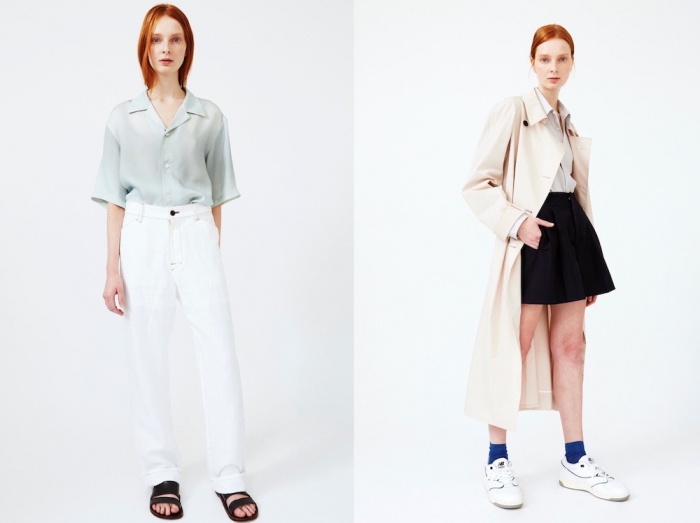
OVERCOAT is based on the concept of 'Wearing New York' and was started by designer Ryuhei Daimaru. Initially, it was a unisex brand focused solely on coats under the name THE GREATEST OVERCOATS PROJECT by oomaru seisakusho 2. After several seasons, it has now expanded to include total looks such as jackets, pants, shirts, and scarves. At 'oomaru seisakusho 2' in New York, custom orders are available by appointment. The pattern features a unique shoulder line. While it is ready-to-wear, it creates a beautiful silhouette that fits the wearer like haute couture. It proposes a borderless design that does not discriminate by size, gender, or age. The materials are developed in collaboration with manufacturers that boast the highest quality in the world, depending on the season. By reviving old uniforms and military uniforms, or applying unique post-processing, they always propose updated items.
Akiko Ichikawa
Based in New York, she works in branding and consulting in the fields of fashion, design, and art. She has been reviewing New York collections for over 20 years and is also involved in editing and writing for newspapers and magazines.
Yuichi Yoshida
Director of Dice&Dice. He started working as a part-timer at the age of 19. As the longest-serving staff member with over 20 years of service, his activities span from product planning with brands to shop direction and event curation.
Part 1 is here
Seriously, talking about the Spring/Summer 2021 collection.
Akiko Ichikawa (A): I’d like to move on to this season’s OVERCOAT discussion, but (laughs) has the Spring/Summer 2021 collection already arrived at Dice&Dice?Yuichi Yoshida (Y): Yes, it just arrived in the store.
A: The highlight this time is definitely the collaboration with Peter Miles, a world-renowned art director. To add a bit of context, Peter is known for his art direction for various top maisons, as well as for his work with clients like Sofia Coppola and photographer Juergen Teller, in addition to the OVERCOAT logo type. How did you meet Peter?
Ryuhei Daimaru (O): I had always admired Peter's designs in Juergen Teller's photo books and thought it would be great to meet him someday. Then I found out he was living in New York, and I was able to get his email address from a mutual acquaintance, so I reached out. I thought it would probably be impossible since he is such a prominent figure in the industry, but about a month later, I received a message asking, 'Can I come over now?' and suddenly Peter showed up at the office by himself.
A: By himself?
O: Yes, yes. I thought he would have a lot of entourage since he is a famous figure in the industry, but he came alone and spent about two hours genuinely listening to me.
A: Wow, two hours! You really hit it off.
O: Yes, and he said something like, 'Let's do something together.' I knew it wasn't something I could normally ask for, but from then on, we started to communicate more frequently. I've met many people, but he is one of the top three pure creators I've encountered. He keeps creating and is always searching for something new. I don't think there are many people like him in New York.
A: This is the first season you've collaborated on clothing, right?
O: Yes. Around May last year, when New York was in lockdown and we couldn't go to the office, Peter reached out and suggested, 'Shall we collaborate?'
A: Peter was worried about you too.
O: He said, 'If there's anything I can help with, just let me know.' So we decided to create printed fabric together. He sent about 100 artworks he created. They were all incredibly beautiful, and he said, 'If you don't like any of these, I have plenty more, so just let me know.' We then selected about three and incorporated them into the print patterns, using a technique called squeegee, similar to what contemporary artist Gerhard Richter does.
A: It's a technique where you put various colors of paint on paper and squeegee it, creating beautiful gradients.
O: In Japan, many people might not know Peter, but his works are beautiful and resonate with the senses. So even if people don't know who he is, they still want them. That's what makes him amazing.
A: How has the response been from Dice&Dice customers?
Y: It just arrived, so it's still early. In recent years, both the brand and Daimaru have become more mainstream, so many people are coming specifically for it. Additionally, by sharing the stories we've learned from Daimaru with our customers, we've seen an increase in repeat customers who have become fans. Our customers tend to be discerning individuals who truly love fashion and culture.
Going for an aggressive pattern! DICE exclusive eco-bag
A: I hear that the Dice&Dice exclusive eco-bag will be released soon. How did it come about?Y: We originally didn't create any original tote bags, and we would just hand over products in paper bags with the Dice logo to our customers. Recently, I started to wonder if that really had any meaning. In the past, it was a form of advertising when customers walked around with logo-printed paper bags, but now advertising methods have changed, and social media like INSTAGRAM and CLUBHOUSE have expanded in various ways. So I thought, is it worth spending money on something that will tear after a little use?
When I go on business trips to New York or LA, I see people using tote bags with their favorite store's logo with affection. Even when they dress stylishly for commuting, they might carry a bag from their favorite coffee shop.
A: Yes, in New York, you often see bags with logos from bookstores like STRAND or magazines like 'New Yorker.'
Y: Exactly. Also, Japanese people might often buy college-themed sweatshirts as souvenirs, and when they go to America, they proudly wear hoodies from their alma mater. I have always thought it was great that people use goods from places that have a story related to their identity with affection.
Given the current times, I wanted to create something more original rather than decaying disposable paper bags. Initially, I thought it would be nice to have a regular-shaped tote bag with a printed pattern from an artist, but then I wondered what it would be like if Daimaru made it. I thought it might be rude to ask him to make a bag, but it turned out he agreed to do it.
A: What kind of bag is it?
Y: I saw the first sample, and the shape is incredibly sculptural and cool. I thought, 'Oh, this is how Daimaru approached it.'
O: Actually, I have been very interested in the abstract form of that bag for a long time, and I have been thinking about it since I was about 16. I think what we are doing now is creating patterns and clothing based on the contemplation of what happens when flat fabric becomes three-dimensional. I wanted to create a bag that expresses that more clearly, ultimately a bag that resembles a three-dimensional object.
For example, if you have two pieces of fabric that are both exactly the same shape and size, whether they are circles or squares, when you sew them together, they become flat, right? But if those two pieces are different shapes, like a circle and a triangle, but the perimeters are the same length, you can forcibly sew them together, and the final shape will be three-dimensional. I used to make experimental fabric objects like that when I was in Fukuoka, and I have even made clothing from them, but I haven't done that kind of work in a while. So when I got the bag proposal from DICE, it flashed back to those times, and I thought I wanted to create an ultimate three-dimensional object again. Especially in a time like now, I feel we need something a bit avant-garde.
A: It's a turbulent time, isn't it?
O: Yes. I want to do something a bit aggressive. It's easy to fall into conservative thinking, but I believe the fun of creativity can be expressed especially in times like this.
Y: I held the first sample in front of the mirror with the staff, and I thought it was impressive that it looked great whether a man or a woman used it, just like Daimaru's coats. I plan to sell it with care.
So, what will happen to fashion and retail?
A: Related to eco-bags and environmental issues, especially last year, when we couldn't go out due to COVID, I think it was a turning point for rethinking the fashion industry and retail. There was a mood that perhaps we don't need new clothes anymore. Can I ask for your outlook on what will happen in the future from your perspectives?O: Last summer, when the second wave hit, we boldly tried a pop-up store in Tokyo. I thought there might be people who would say, 'Is this really the time to do that?' But we live off the fashion business, so if we don't make and sell clothes, we can't eat. So when people ask if fashion is non-essential, it puts us in a difficult position. Of course, we took maximum precautions against infection for the safety of our customers.
The event was in August, but it was around 38 degrees in the blazing sun, and it was a pre-order event for autumn/winter coats. So I casually thought it would be nice to just invite friends and acquaintances to catch up, but when it opened, the sales were incredible. Customers who came on the first day started bringing in other customers, and it created a chain reaction. At that moment, I realized that even in emergencies, there are many people looking for interesting things and something new, not just mass-produced fast fashion.
A: Yes, as I mentioned at the beginning of this roundtable, I was moved when I went with Yoshida to Oomaru Seisakusho 2 for the first buying appointment. The experience of receiving a direct explanation of the collection from designer Daimaru is usually something only buyers or press can do, but at the pop-up shop event, it was a rare opportunity for customers to meet Daimaru.
O: Yes, in the past, designers might have been a bit aloof and could control information, creating a somewhat mystical branding. But ultimately, everyone is just a normal human being. I have met nearly 1,000 people, including top designers, and they are all just normal (laughs). Some may be putting on an act.
So I want to be more pure, and since there's no point in hiding things, I want to go out as a designer and meet customers. I'm curious about who wears my clothes, and I want to value the strength and benefits of that kind of interaction.
A: With everything becoming digitalized and globalization advancing, it feels like everything is getting larger in scale, but in reality, there is a demand for smaller, denser communities.
O: Yes, it's becoming more 'wet,' so to speak. People want to buy from someone they want to buy from or a store they want to buy from. They want to buy from a trustworthy source. When I first met Yoshida, what impressed me was his passionate speech about how 'our staff has the power to make people fall in love.'
Not all store staff can go buying. When they have to sell things chosen by a third party, I think it's very important to have the feeling of pursuing 'what is good about this brand.' The people at DICE always ask me various questions when I return to Fukuoka, so they know things they probably don't need to know (laughs).
Y&A (laughs)
A: In a time when things are overflowing, it's reassuring to be able to buy from trustworthy staff in the selection process. But Dice also had many times last year when they couldn't open the store and could only do e-commerce.
Y: Yes. We were lucky that we had already started preparing digital content to convey our passion in e-commerce just before COVID hit. As a result, even during the pandemic, we were able to deliver products to customers almost smoothly.
I really dislike people who don't speak passionately, but I think there is a real divide between designers like Daimaru, who actively communicate, and brands that do not. Ironically, because we were caught up in the pandemic, we were forced to realize our ideals for the future more quickly. So I think we are able to undertake new initiatives with a sense of urgency.
In extreme terms, as Daimaru just said, I think it's great when creators talk directly to customers and sell. In that case, select shops might not be necessary. But I want to continue supporting those who are serious about making things, not just OVERCOAT, and I want to convey more to customers. If both customers and creators feel that they can consistently disseminate information through Dice, or if they think there is something interesting at Dice, then we will continue to exist. We are determined to make that happen.
And finally, a promotional announcement!
A: I heard that there will be a pre-order event in April.Y: That's right. From April 23 to May 2, we will hold a pre-order event for the newly announced OVERCOAT 2021 Autumn/Winter collection. Daimaru will also be visiting, so it will be a wonderful opportunity for direct customer service.
O: We will tour nationwide, including Kyoto, Osaka, Tokyo, and Fukuoka.
A: I'm looking forward to it! Spring will be in full bloom, I'm sure. I'm sorry I can't participate in the 'offline meeting,' but everyone, please enjoy!
Part 1 is here
Check out OVERCOAT products here
Details of the event here
Ryuhei Daimaru
Born in Fukuoka Prefecture. After graduating from Bunka Fashion College, he worked as a pattern maker for Japan's leading maison brands. In 2006, he was scouted by a certain New York brand and moved to the U.S. In 2008, he established the design planning company 'oomaru seisakusho 2' in Manhattan, New York. The name is derived from the furniture factory run by his family, and it was established with the philosophy of creating a new status in fashion based on manufacturing. The staff is entirely Japanese, and they continue to convey the creativity and quality of MADE IN JAPAN to the world. Currently, they provide planning design, pattern production, and sample sewing services to numerous creators. The brand 'OVERCOAT' was launched in the Autumn/Winter season of 2015. In 2016, 'Oomaru Seisakusho 3' was established in Jingumae, Tokyo.
(Awards, etc.)
2014 2nd CFDA FASHION MANUFACTURING INITIATIVE
2015 33rd Mainichi Fashion Awards, consecutively awarded the Amiko Kujiraoka Prize
OVERCOAT
OVERCOAT is based on the concept of 'Wearing New York' and was started by designer Ryuhei Daimaru. Initially, it was a unisex brand focused solely on coats under the name THE GREATEST OVERCOATS PROJECT by oomaru seisakusho 2. After several seasons, it has now expanded to include total looks such as jackets, pants, shirts, and scarves. At 'oomaru seisakusho 2' in New York, custom orders are available by appointment. The pattern features a unique shoulder line. While it is ready-to-wear, it creates a beautiful silhouette that fits the wearer like haute couture. It proposes a borderless design that does not discriminate by size, gender, or age. The materials are developed in collaboration with manufacturers that boast the highest quality in the world, depending on the season. By reviving old uniforms and military uniforms, or applying unique post-processing, they always propose updated items.
Akiko Ichikawa
Based in New York, she works in branding and consulting in the fields of fashion, design, and art. She has been reviewing New York collections for over 20 years and is also involved in editing and writing for newspapers and magazines.
Yuichi Yoshida
Director of Dice&Dice. He started working as a part-timer at the age of 19. As the longest-serving staff member with over 20 years of service, his activities span from product planning with brands to shop direction and event curation.