
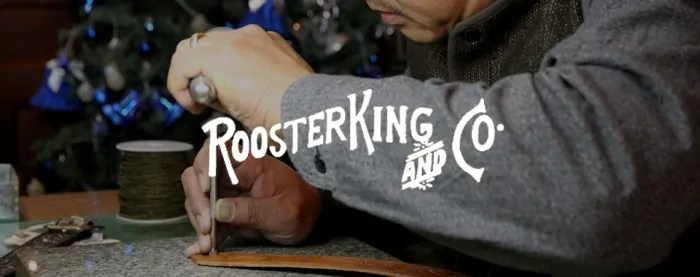
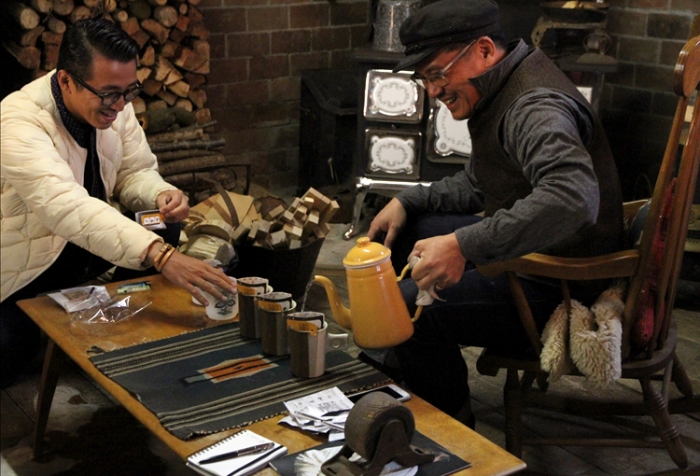
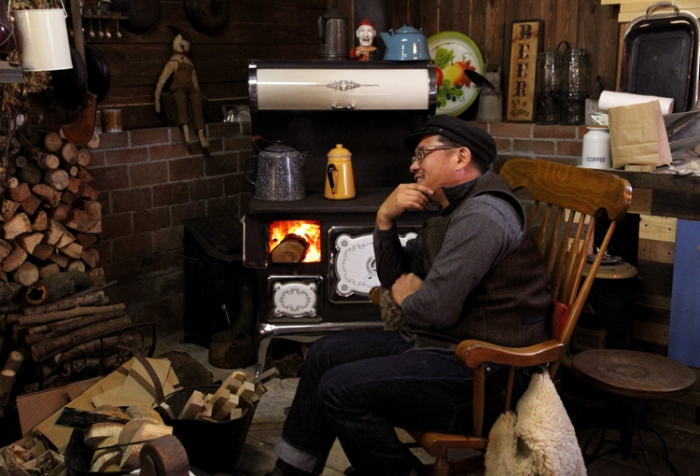
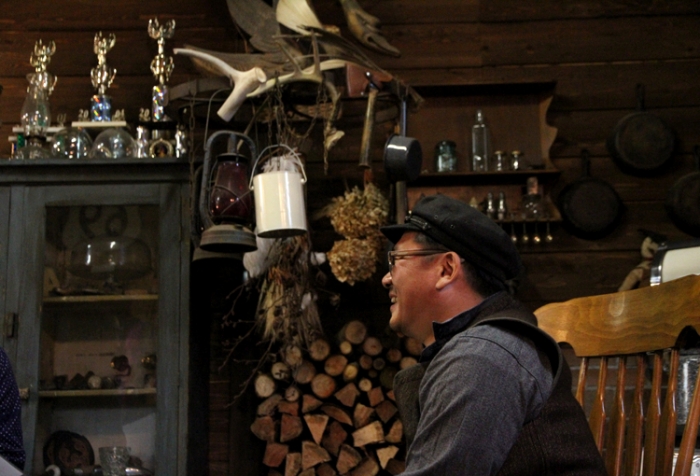
▲Starting the interview while enjoying coffee prepared by Mr. Matsuzaki
RoosterKing&Co. has its atelier in Itoshima City, Fukuoka Prefecture.
An exclusive interview with Mr. Matsuzaki, the representative, about his life in America, leather carving, and more.
================================================
I thought I wanted a little more excitement, so I went to L.A. in America.
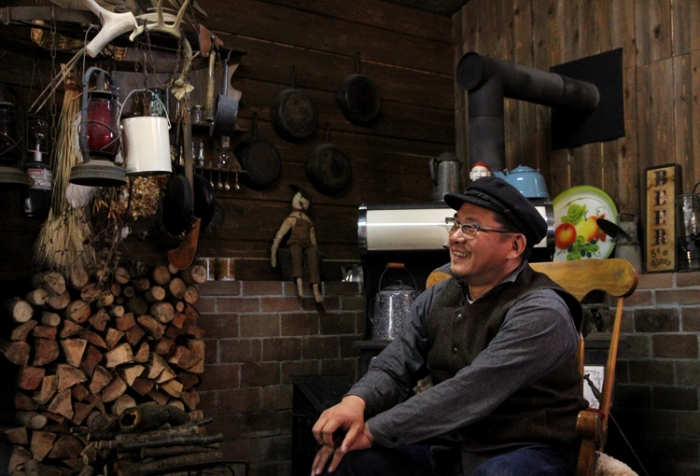
- Right away, did you work as a buyer in America before?
Matsuzaki: Yes, that's right. When I was in America, I absorbed all kinds of knowledge about old things, from miscellaneous goods to clothes, and sent it back to Japan. So I dealt with furniture, antiques, beads, coins, everything. I sent whatever was requested. If someone said, "Please find something like this," I did it all.
There were times when I sent silver coins and faced issues like, "This isn't silver!" but while doing that, I was also studying and doing various things. Oh, this isn't 925, you know? (laughs)
- I heard you were in L.A. in America, but were you in Tokyo before that?
Matsuzaki: Well, before L.A., I was in Tokyo for about four years from 18 to 22 years old. During that time, I was doing band activities and working part-time in a restaurant.
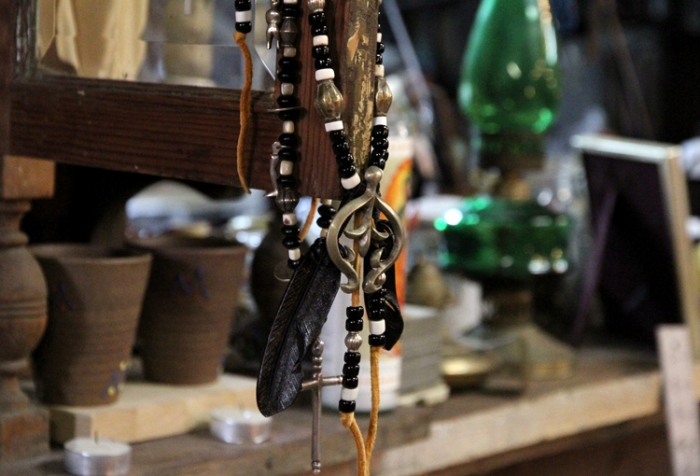
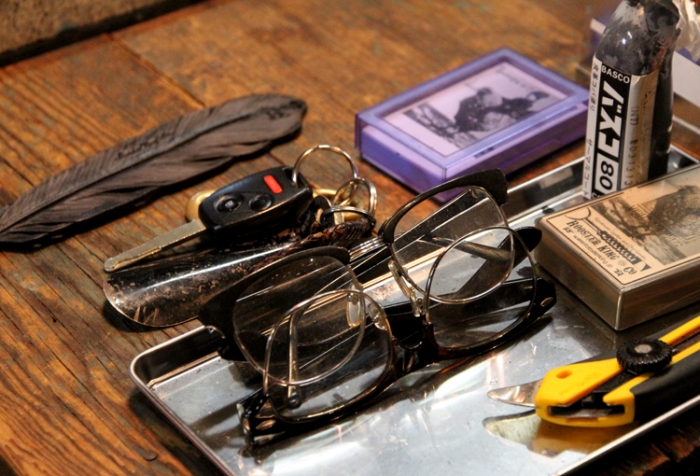
▲The deer leather part of works like the North American elk feather necklace is made entirely of elk
- By the way, what kind of band were you in?
Matsuzaki: At that time, I was in a rock band, something like old rock. Before that in Fukuoka, I was in a punk band. I performed at various live houses, like Jaja in Nishijin, but I forgot the names of others. I also played with members from my Fukuoka days when I was in Tokyo.
In the end, I thought I wanted a little more excitement, so I went to L.A. in America.
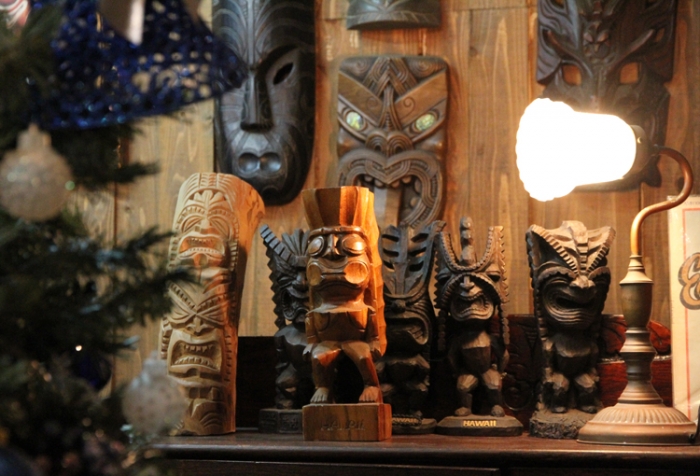
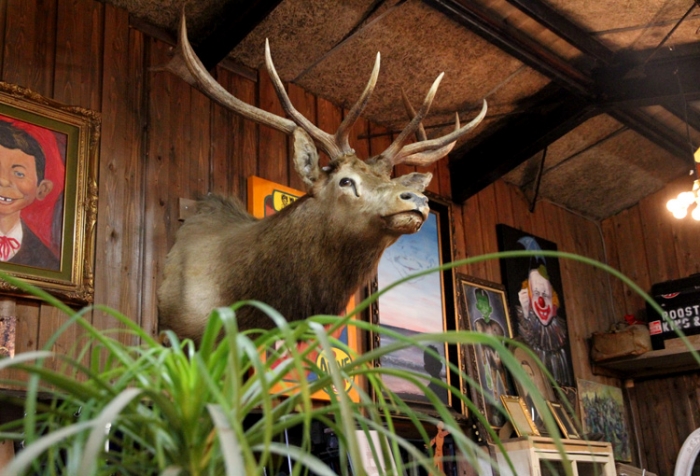
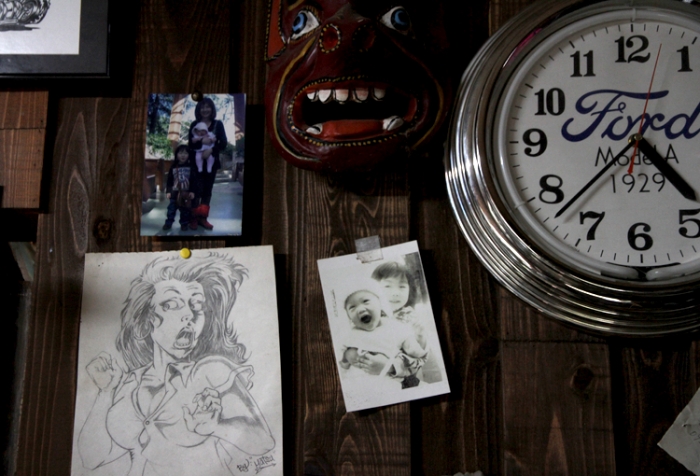
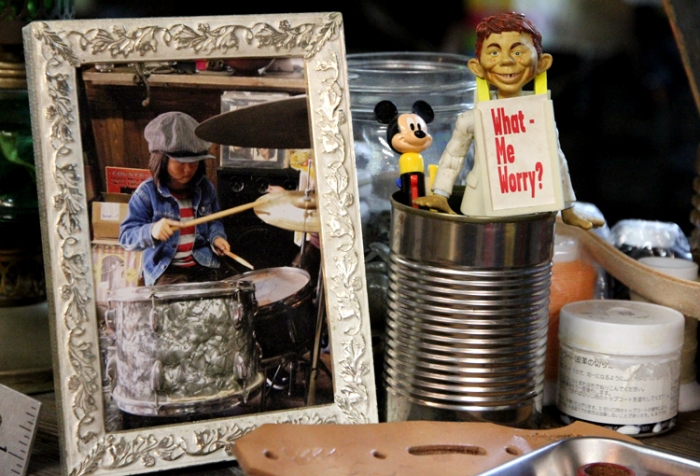
▲Matsuzaki's "Tiki" collection
- Did you go to America without any particular plans at first?
Matsuzaki: Well, I didn’t have any particular plans, but a friend introduced me to someone over there, and they came to pick me up. I was leading a pretty chaotic life, you know? (laughs) That was when I was 22. After that, I stayed in America.
The first job I had there was working at a sushi restaurant. I quit that in less than a year and immediately jumped into a place looking for a vintage clothing buyer, and that's how I got into the clothing business. That was when I was about 23.
At that time, there weren't many people from Japan going overseas to buy, so the locals were sending things to Japan. Back then, there was still a lot of stuff available. Whether it was dead stock or Levi's. So every day was fun. I lived in a state where my feet weren't on the ground for years.
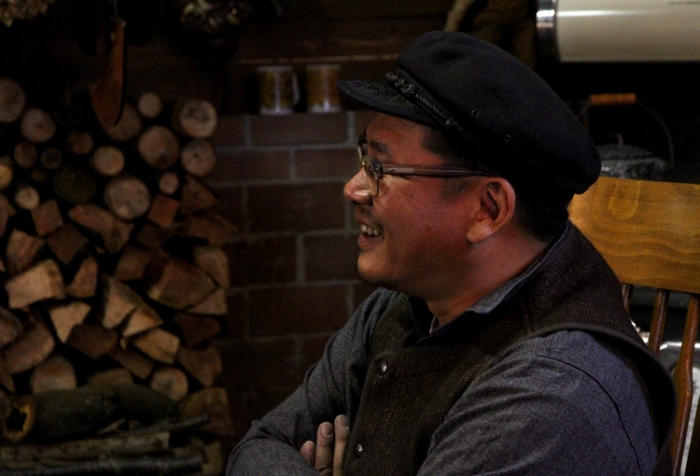
- I heard you went to America this October; was it your first time in a while?
Matsuzaki: Yes, it was about two and a half years since I last went. This time, I felt like I had a harvest, or rather, I wanted to go back again! (laughs) I lived there for about 20 years, so it felt nostalgic, like I had come home! My twenties in America were the time when I became an adult and enjoyed life! I don't know about people who entered companies and such. But in terms of music and sense, I lived half my life there. I went when I was just over 20 and came back when I was over 40. So, half my life was spent there, and my memories are clearer from that time.
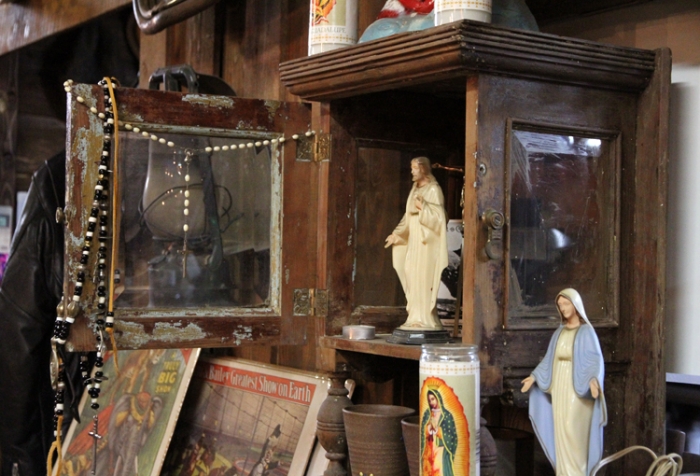
I learned everything at flea markets.
- How did you start your current leather craft?
Matsuzaki: To be honest, I started working with leather about ten years ago. Until then, I was dealing with vintage clothes, furniture, and making a few T-shirts to make a living. That was my lifestyle. But when my youngest child was about to be born, my wife was hospitalized. So, I couldn't leave the house because I couldn't leave my older child alone. I thought about what kind of work I could do at home, and I had been making small leather goods on the side, and I thought, "Maybe I can sell this," which was the trigger for me to start.
I took them to the Rose Bowl and flea markets, making various things to sell. I was like, "I made this!" I didn't say, "This is vintage!" I wasn't deceiving anyone! (laughs) So, most of the Americans found it interesting and bought it. But some people might think it looks vintage at first glance. Well, I make them to look like they have been around for a long time. Reproducing old things, that kind of editing ability might be something unique to Japanese people. Old things can never be born anew.
So, I started making things with that confidence.
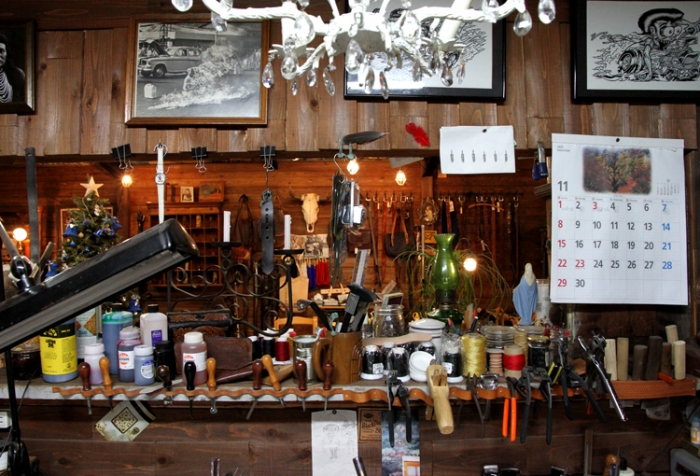
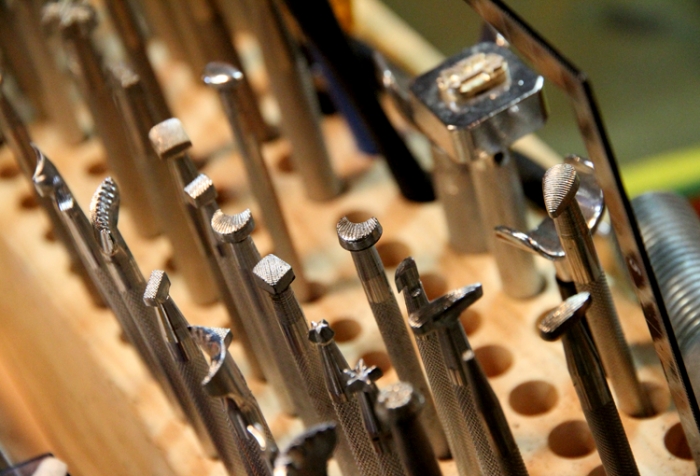
I started with studded belts. At flea markets, there are vintage belts from the 30s and 40s. I bought those and started making similar ones. Then I made belts, bangles, simple wallets, and got more and more into it. It was all self-taught. There are many old things sold at flea markets, like wallets and carved items. I bought a lot of those, took them apart, and made patterns from them. I also learned how to carve by imitating. All the carving tools are sold at flea markets. So, I collected those and studied how to use them. I have a lot of very old materials about carving and leather. I bought everything at flea markets. So, I learned everything at flea markets.
- How did the feather necklace, which has become a representative work of Rooster, come about?
Matsuzaki: At first, I made it just as keychains. I initially sold them with ball chains and gave them as gifts to friends.
As I gradually made more, I connected with various people, and even Johnny Depp started using them. I was surprised at that time.
- Were there any Japanese people who came to America to see you?
Matsuzaki: Yes, there were. Various people from Japan bought from me, and some sold them in Japan. That was about ten years ago or so.
Usually, the ones who come are from vintage clothing stores. So, when you think of famous vintage shops, there were places like Berberjin, and at that time, there were also Go Getter, and in Fukuoka, Funag, and people from all over the country came to buy from me, and I still have relationships with them. So, I still wholesale to those places.
Really, due to the connections from vintage, I have been able to continue various relationships, and that's how I've managed to get by.
- Recently, you have been working with designer brands, right?
Matsuzaki: Yes. So, in the end, I've been working with N.Hoolywood for about 20 years now. I've had a long relationship with Mr. Obana (the designer of N.Hoolywood), who has been supporting me and doing various things for me.
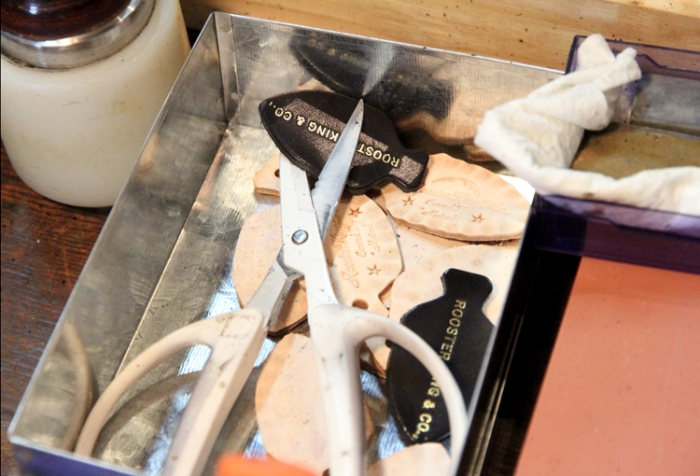
- When you returned to Japan, why did you choose Fukuoka instead of Tokyo?
Matsuzaki: Well, there's the local aspect, but I thought Tokyo wasn't a place to live. I'm not someone who fits in the city anyway. Plus, I preferred the countryside since I was going to be working on my craft. I intended to come back to do this work.
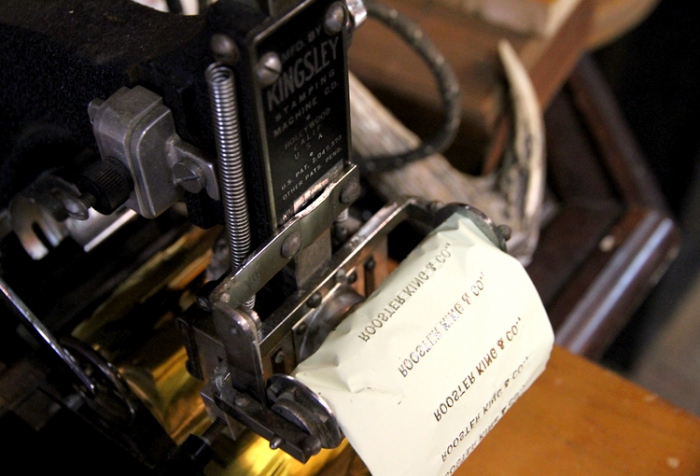
For the first year and a half, I didn't do anything and lived by selling the furniture and vintage clothes I brought back. I had a lot of valuable things. Then I thought, "It's time to start working with leather seriously," and I created this atelier with a friend. It took us about two months, I think? We worked steadily. The building itself was already a reinforced concrete structure. So we built the walls and laid the floors. At first, it looked like just a barn! (laughs)
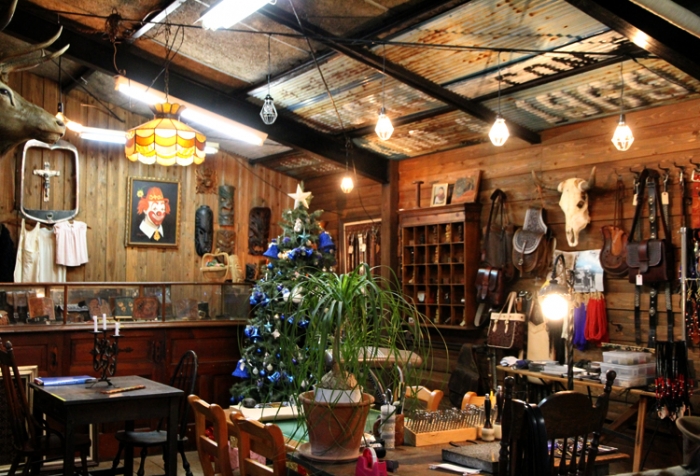
Kendo three times a week. Kendo is to enhance concentration, so I do it even when I'm busy.
- Do you spend long hours here every day?
Matsuzaki: Yes, I'm here all the time. I usually come here around 8 or 8:30 in the morning after sending the kids off. Then I go home for lunch and come back. I'm usually here all the time.
On days when I have kendo on Monday, Wednesday, and Saturday, I finish early. Kendo is three times a week. Kendo is to enhance concentration, so I do it even when I'm busy. (laughs) When I'm busy, I come back here to work after kendo. So, on normal days without kendo, I'm usually here until around 8 or 9 PM, and when it's really busy, like when I get a lot of orders and need to hurry, it goes past midnight. There are times when I work intensively for about one or two weeks.
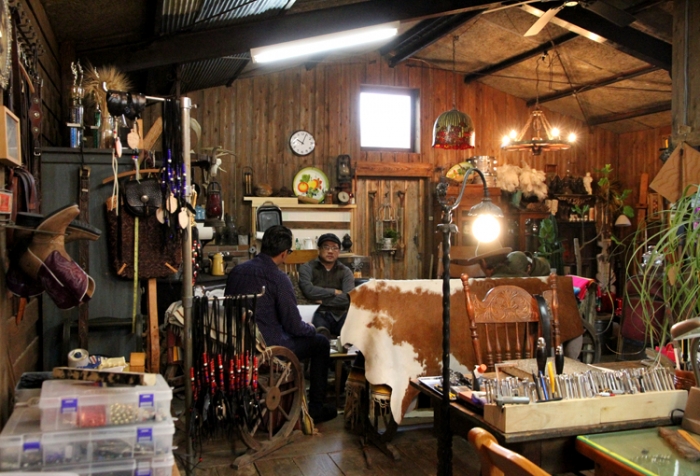
- Did you practice kendo in America as well?
Matsuzaki: Yes, I did. I practiced there, so I had exchanges and even designed the cotton towels for the national team that competes in the world championships in America. I practiced and participated in matches, so I was involved in competitions. When there was a world championship in Japan recently, I went to support them. The trophy there is from when I won the individual competition while practicing kendo in America. It's from a kendo tournament held in California. That trophy is from that time. Isn't that silly? (laughs)
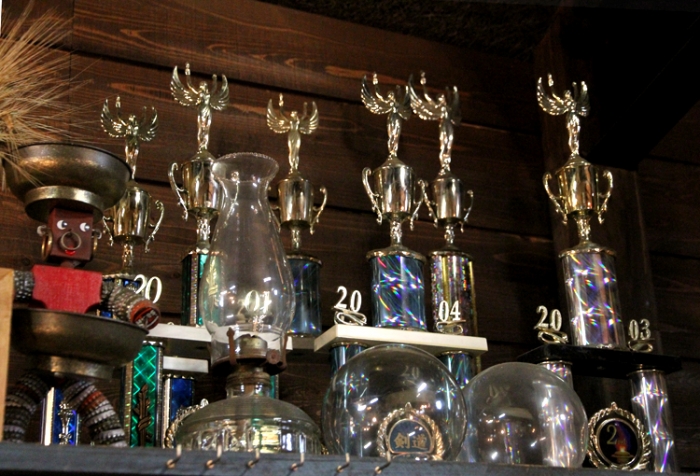
- I know someone who practices kendo and learned everything about life and how to dress from it. They said they like to dress neatly.
Matsuzaki: Oh, I can really understand that. Especially the concentration part. When my concentration wanes, I go to kendo to boost it. Kendo really enhances concentration, you know? That's why I go. Plus, my child has started practicing, so I want to see their growth too.
- Does your child want to go to America?
Matsuzaki: Yes, they do want to go. So I tell them that if they want to go, it's fine to do so from high school. I say they can study abroad if they want. After all, they are American! They don’t need a visa since my son was born there.
【To be continued】
Check out RoosterKing&Co. products here>
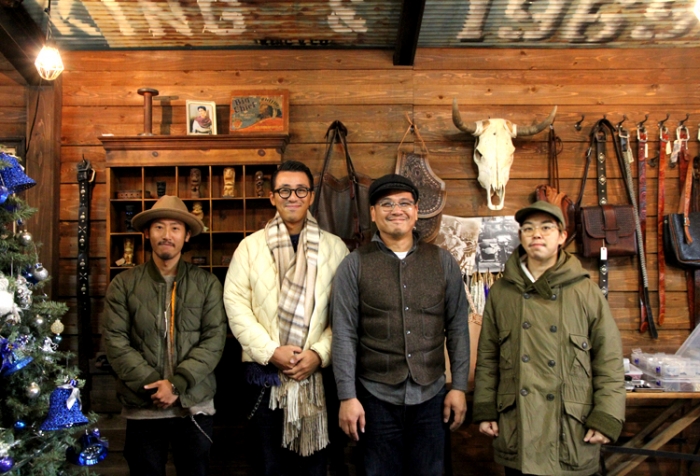
RoosterKing&Co. Yukio Matsuzaki
(Designer of RoosterKing&Co.)
RoosterKing&Co.>
RoosterKing&Co. Instagram>